Adhesives and sealants are widely used in transportation manufacturing to improve structural integrity, reduce vehicle weight, prevent leakage, minimize vibration, and enhance durability. They help manufacturers achieve stronger, safer, and more reliable assemblies across various transportation systems.
Transportation manufacturers commonly use:
Structural Adhesives,
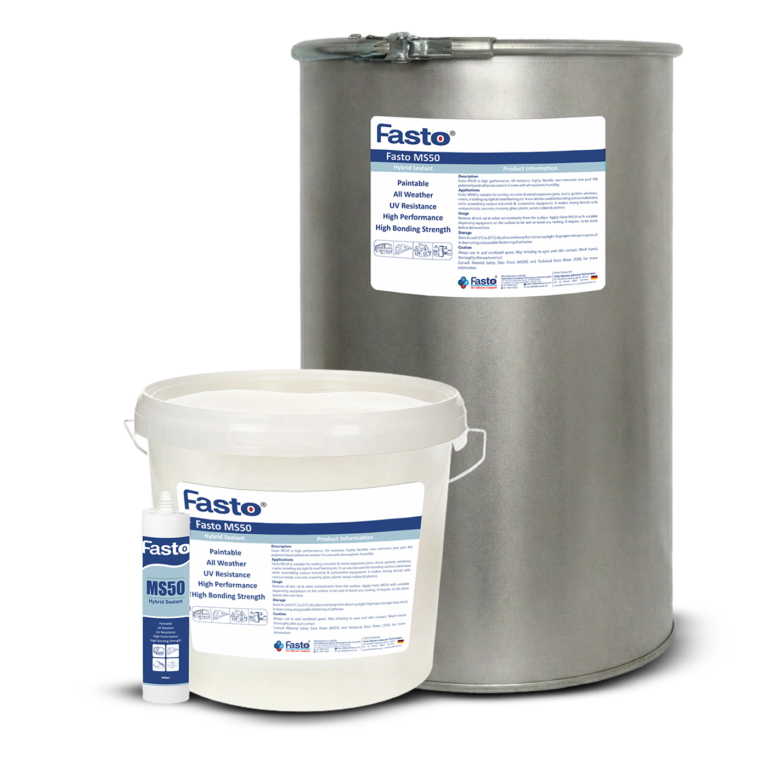
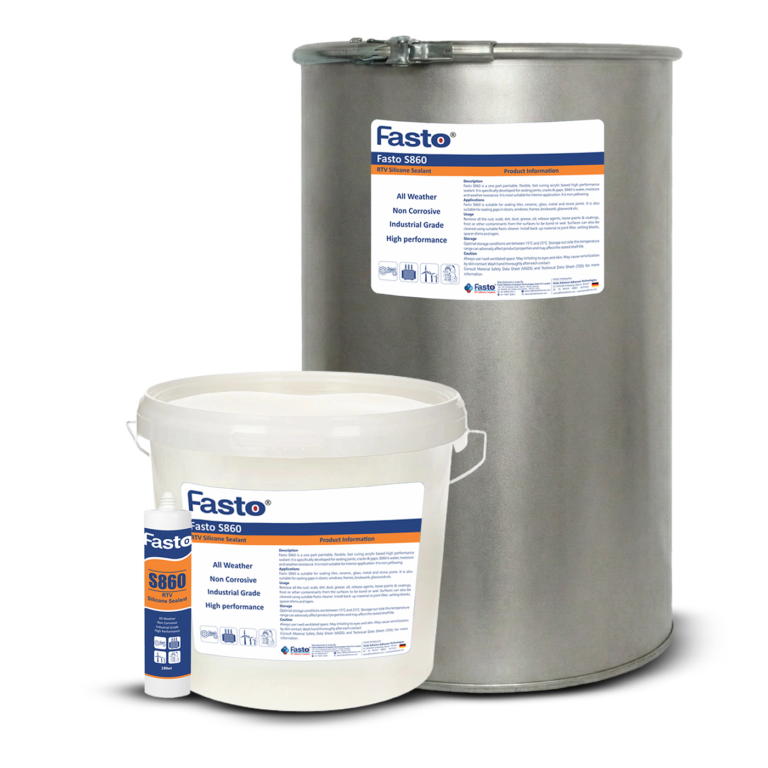
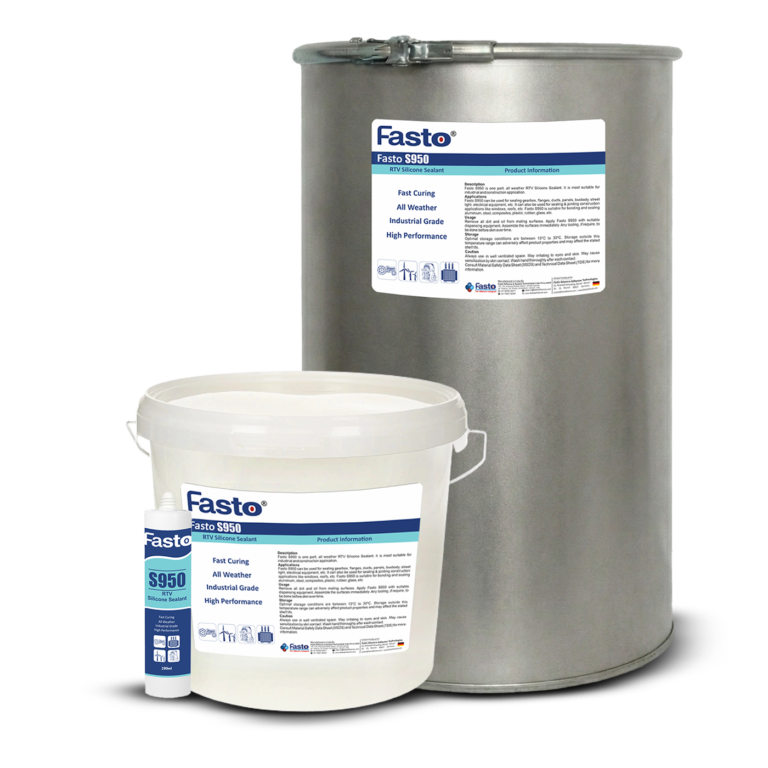
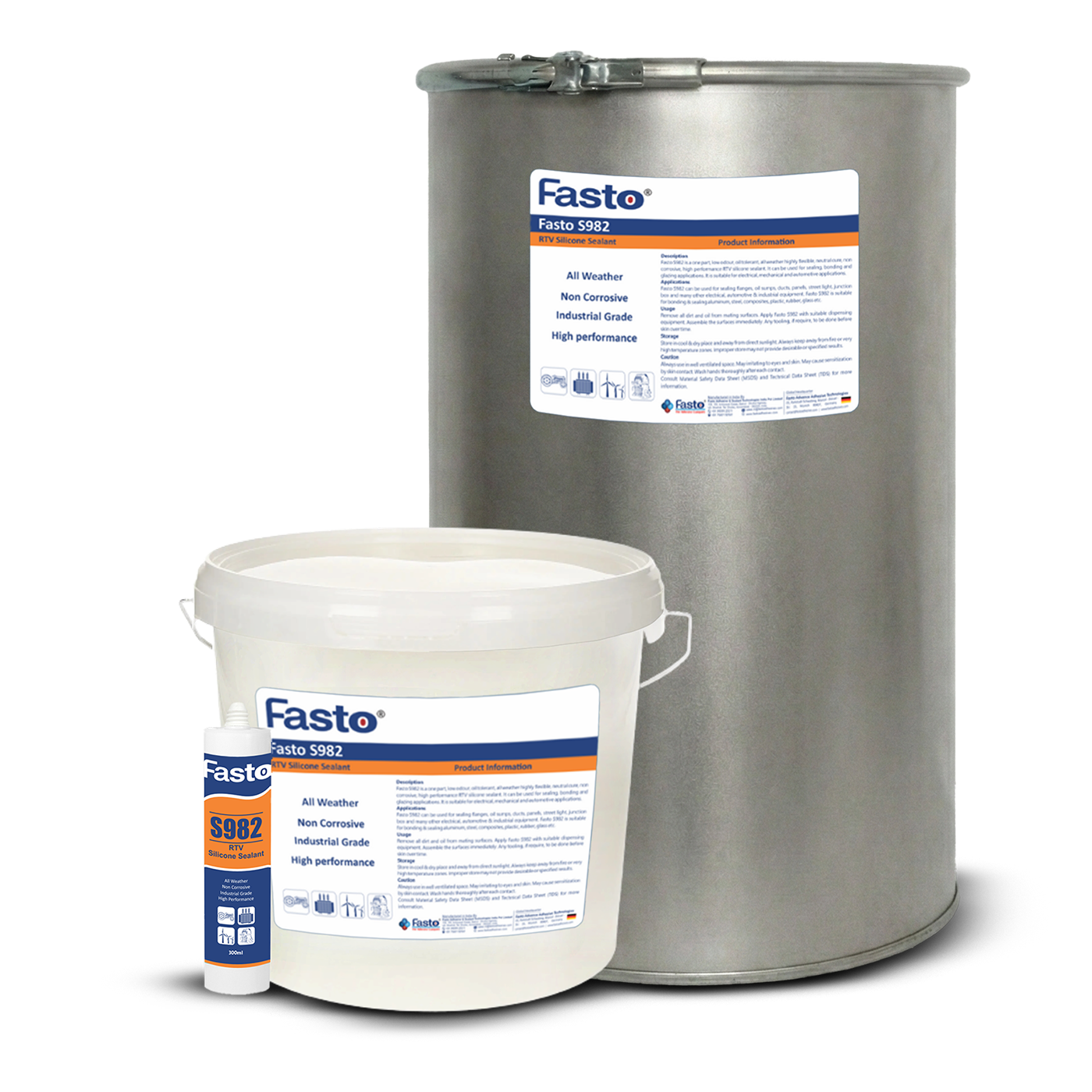
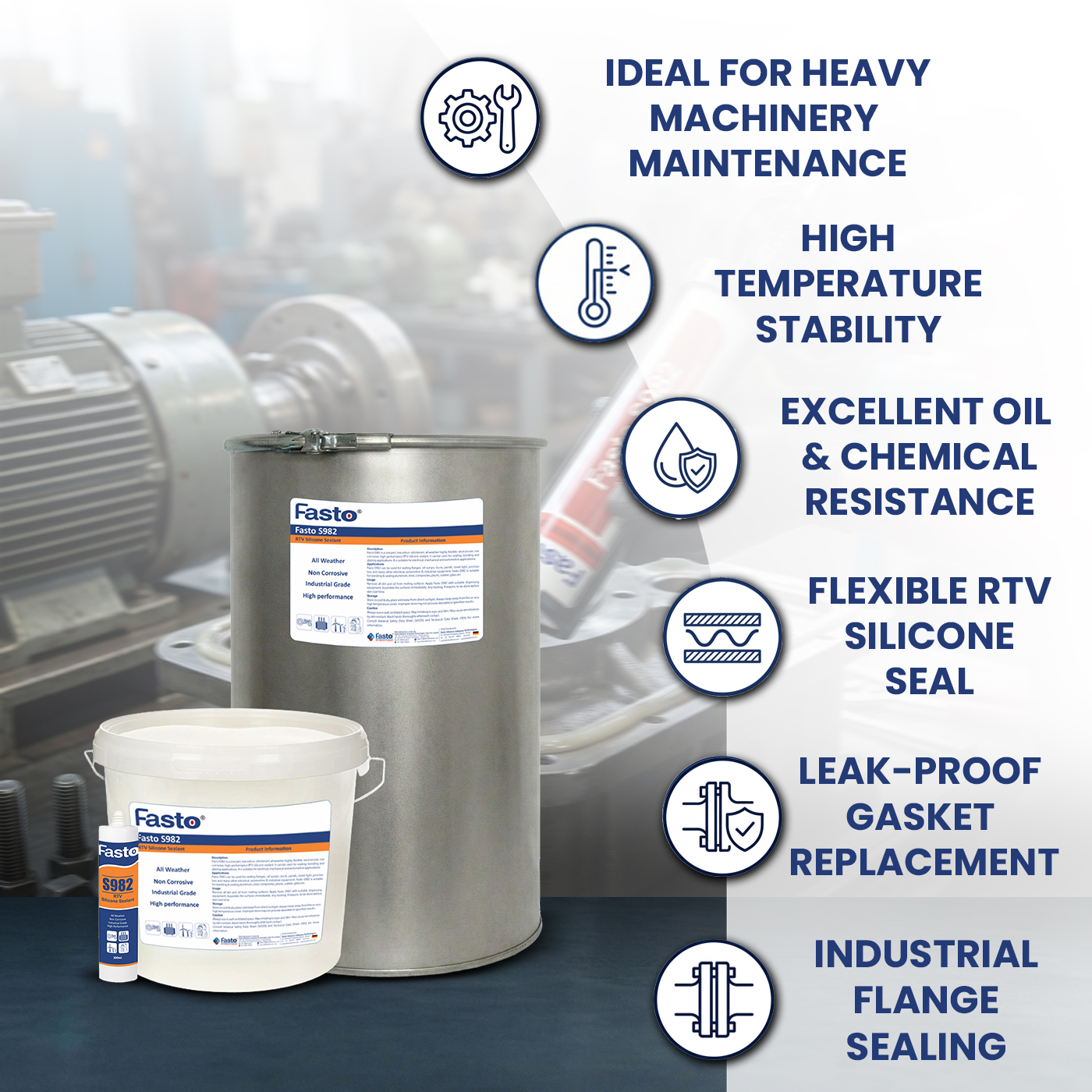
RTV Silicone Sealants,
Thread Lockers,
Thread Sealants,
Retaining Adhesives,
Flange Sealants,
Cyanoacrylate Adhesives,
UV Adhesives,
Potting Compounds,
Thermal Management Materials.
Each solution serves specific bonding, sealing, fastening, and protection requirements.
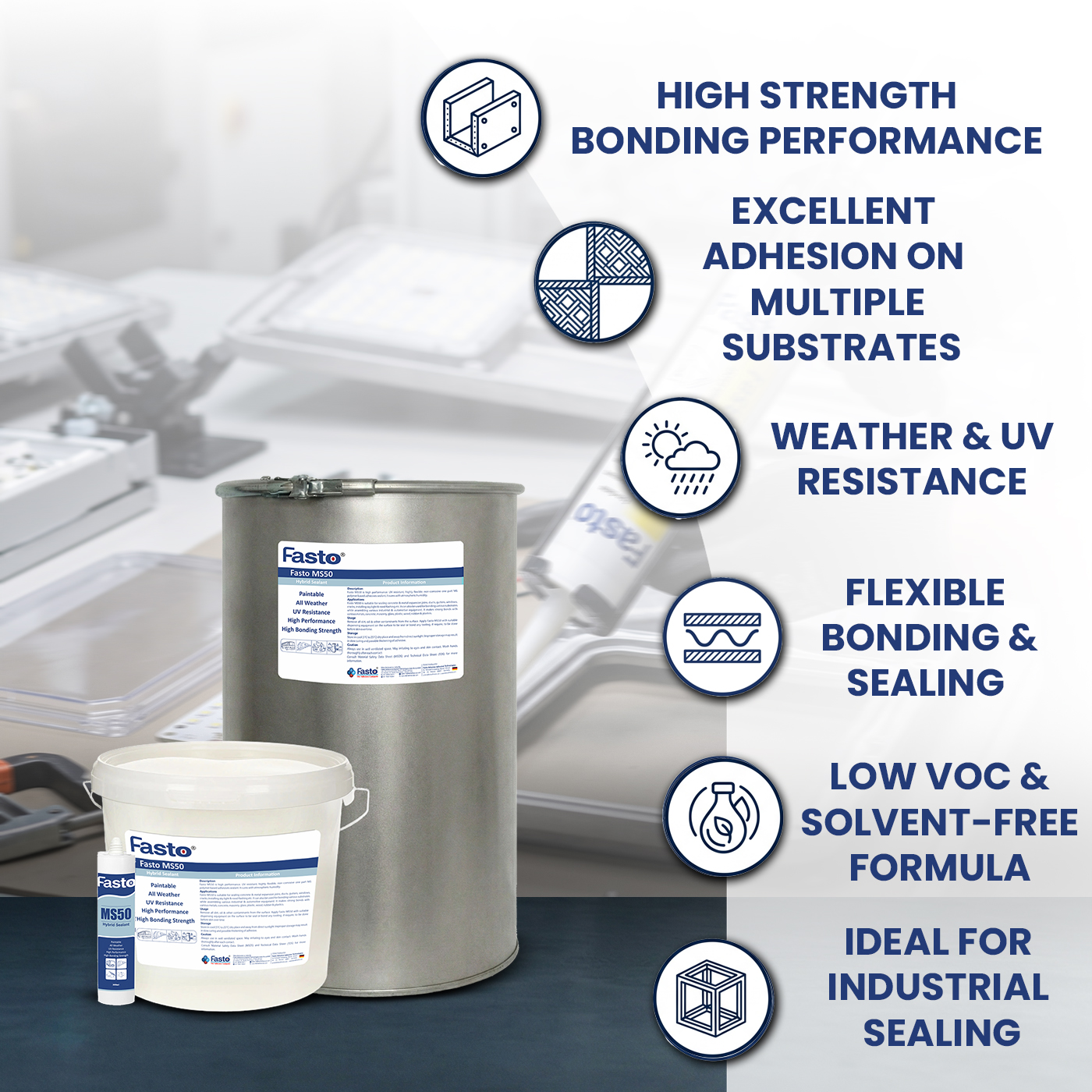
Structural adhesives provide high-strength bonding while distributing loads evenly across bonded surfaces. They help reduce vehicle weight, improve aesthetics, eliminate mechanical fasteners in certain applications, and increase overall structural performance.
Adhesives and sealants are widely used in:
Automotive Vehicles,
Commercial Vehicles,
Electric Vehicles (EVs),
Rail Transportation,
Buses and Coaches,
Marine Vessels,
Specialty Transport Equipment,
Off-Highway Vehicles.
Thread lockers secure bolts, nuts, and threaded fasteners against loosening caused by vibration, shock, and dynamic operating conditions. They help improve safety and reduce maintenance requirements.
Retaining adhesives are used to secure bearings, gears, bushings, shafts, pulleys, and cylindrical components. They improve load distribution, reduce wear, and enhance assembly reliability.
Flange sealants create leak-proof seals in engines, gearboxes, transmissions, pumps, compressors, and hydraulic systems. They help prevent fluid leakage and improve long-term equipment performance.
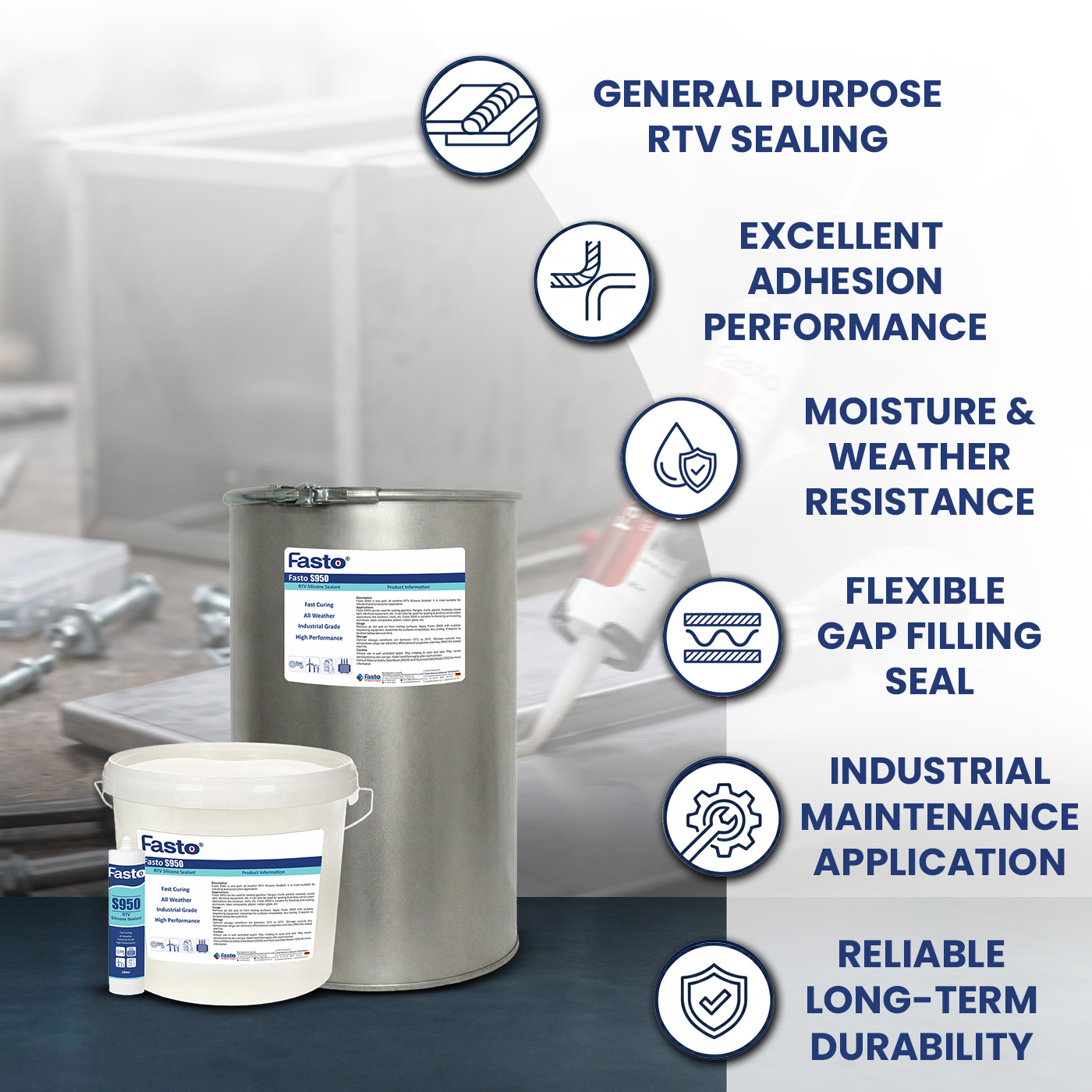
Silicone sealants provide flexible sealing, weather protection, vibration resistance, electrical insulation, and protection against moisture, dust, and temperature fluctuations. They are commonly used in lighting systems, electronic modules, enclosures, and body assemblies.
Yes. Adhesives and sealants are extensively used in electric vehicles for battery pack assembly, electronic component protection, thermal management, sensor bonding, sealing, and lightweight structural bonding.
By replacing or reducing the need for mechanical fasteners, adhesives help lower overall vehicle weight. Weight reduction contributes to improved fuel efficiency, increased payload capacity, and enhanced energy efficiency in electric vehicles.
Yes. Transportation-grade adhesives are engineered to withstand continuous vibration, impact loads, road shock, and mechanical stress while maintaining long-term performance.
Yes. Industrial Transportation Adhesives are Designed to Resist:
Moisture,
UV Exposure,
Temperature Extremes,
Road Salts,
Fuels,
Oils,
Chemicals,
Outdoor Weathering.
Yes. Adhesives and sealants are widely used in headlamps, tail lamps, LED lighting assemblies, sensors, and electronic control systems to provide bonding, sealing, and environmental protection.
Adhesives help protect electronic components from vibration, moisture, dust, corrosion, and thermal stress. They are commonly used in sensors, control units, battery systems, lighting modules, and communication devices.
Adhesives improve safety by securing critical components, preventing fastener loosening, protecting electronics, reducing structural stress concentrations, and maintaining assembly integrity under demanding operating conditions.
Key benefits include:
Lightweight Construction,
Improved Structural Strength,
Vibration Resistance,
Leak Prevention,
Corrosion Protection,
Enhanced Durability,
Reduced Maintenance,
Improved Manufacturing Efficiency.
Yes. Many transportation-grade adhesives and sealants provide excellent resistance to moisture, saltwater exposure, vibration, and harsh environmental conditions, making them suitable for marine applications.
Selection depends on:
Substrate Materials,
Load Requirements,
Environmental Conditions,
Temperature Exposure,
Vibration Levels,
Chemical Resistance Needs,
Manufacturing Process Requirements.
Proper product selection ensures long-term performance and reliability.
Yes. Adhesives and sealants are widely used in maintenance, repair, and overhaul (MRO) operations to restore performance, prevent failures, and extend equipment service life.
Yes. Fasto Adhesives offers a comprehensive range of structural adhesives, silicone sealants, thread lockers, retaining compounds, flange sealants, thermal management materials, and specialty bonding solutions designed for transportation manufacturing and maintenance applications.