
Thread Locking Adhesives
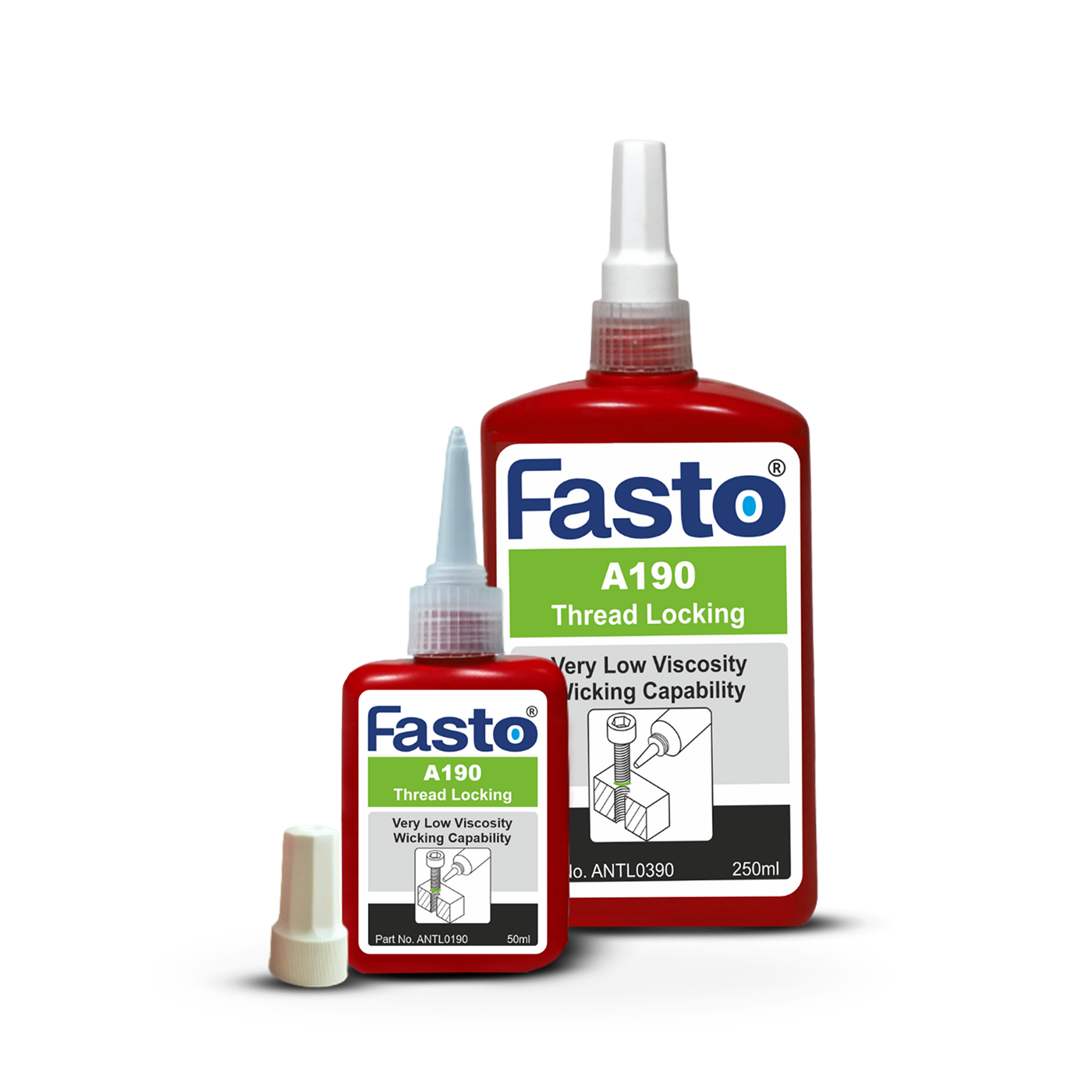
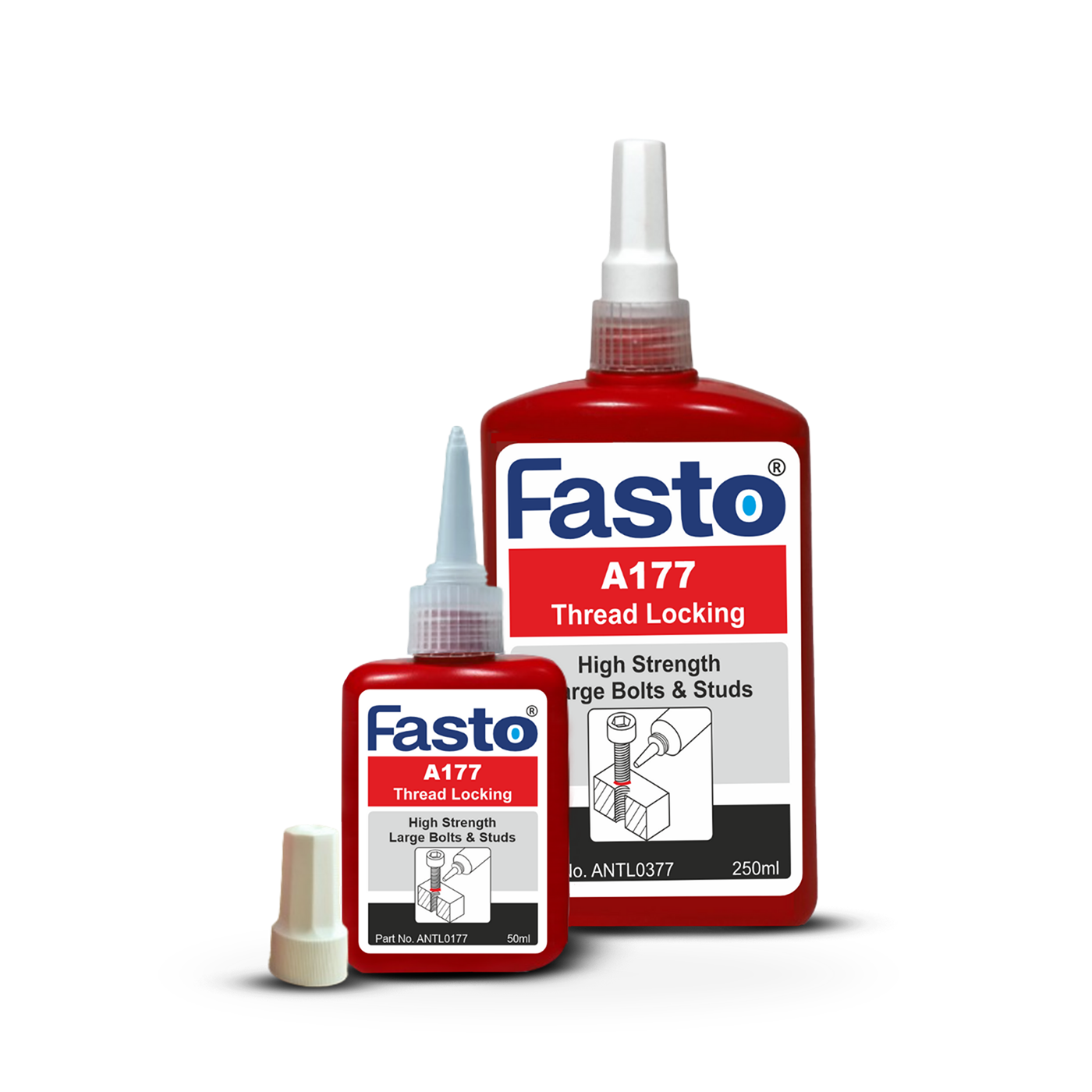
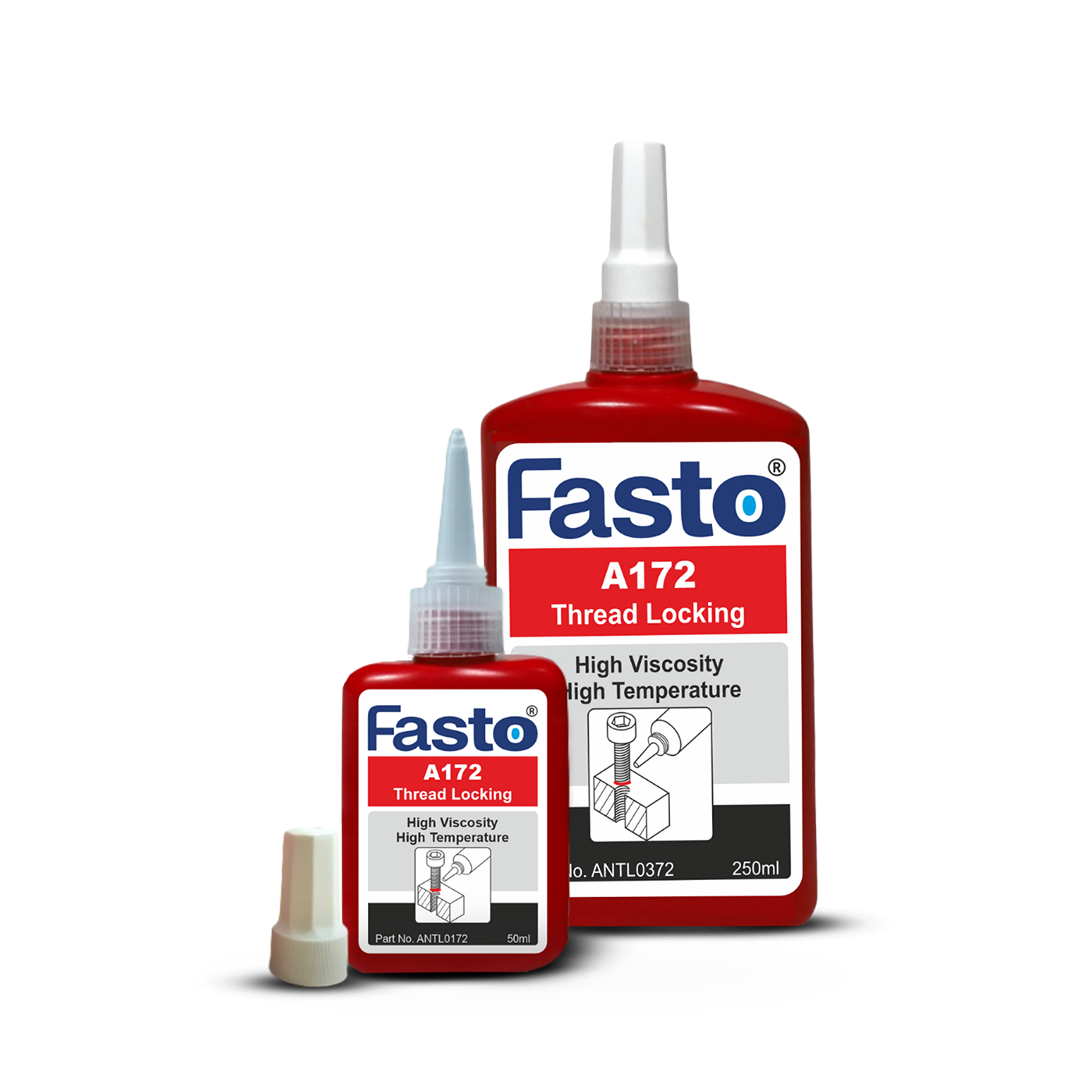
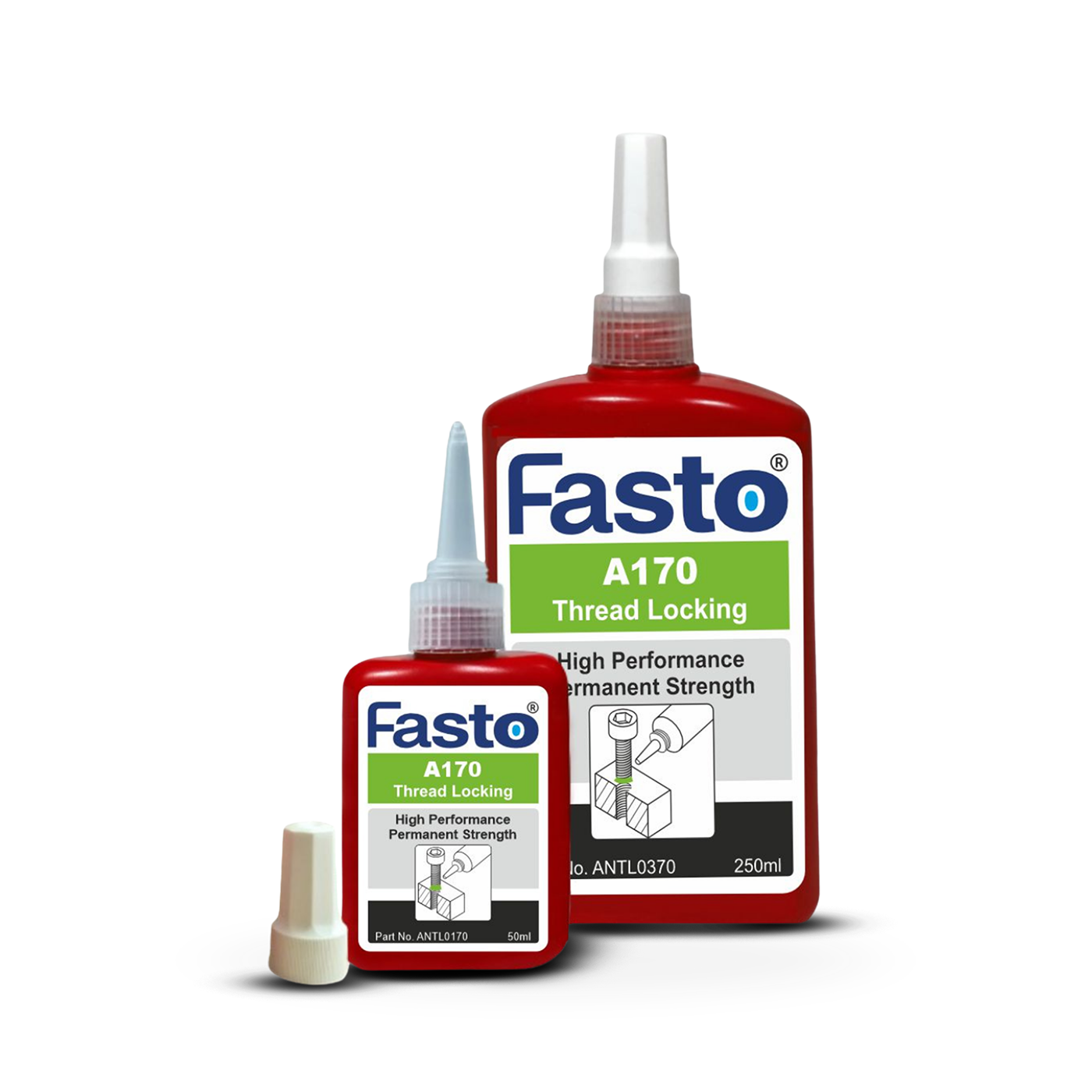
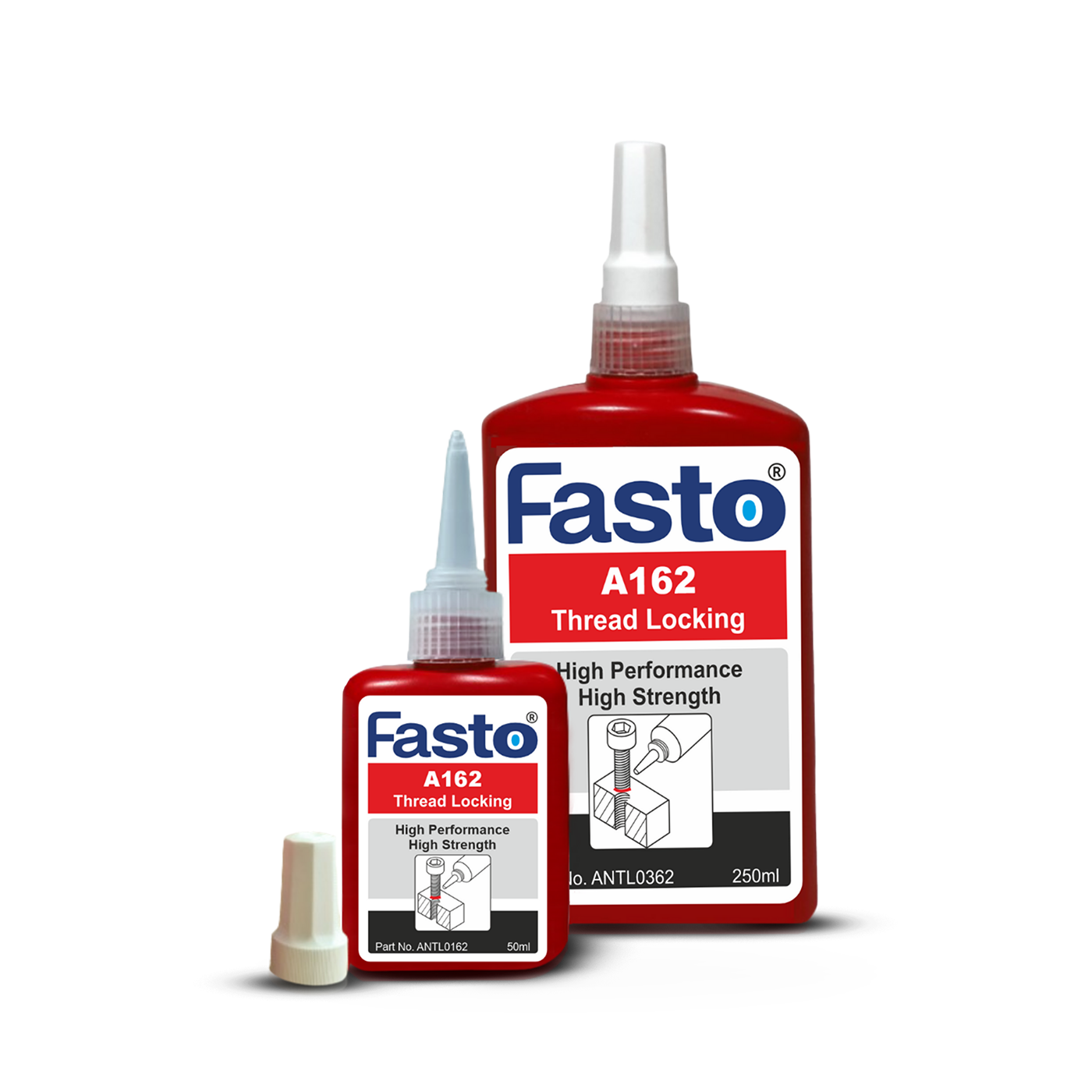
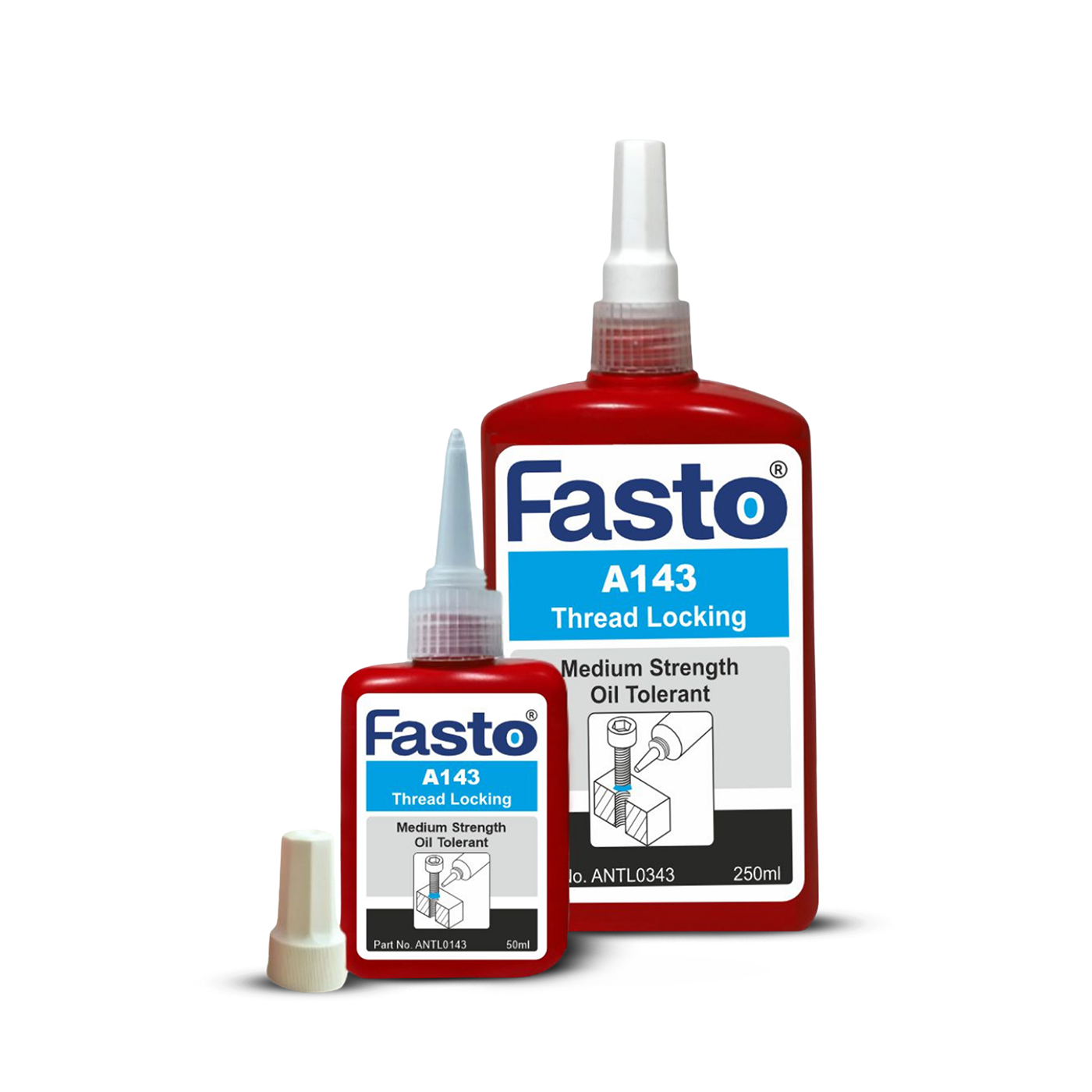
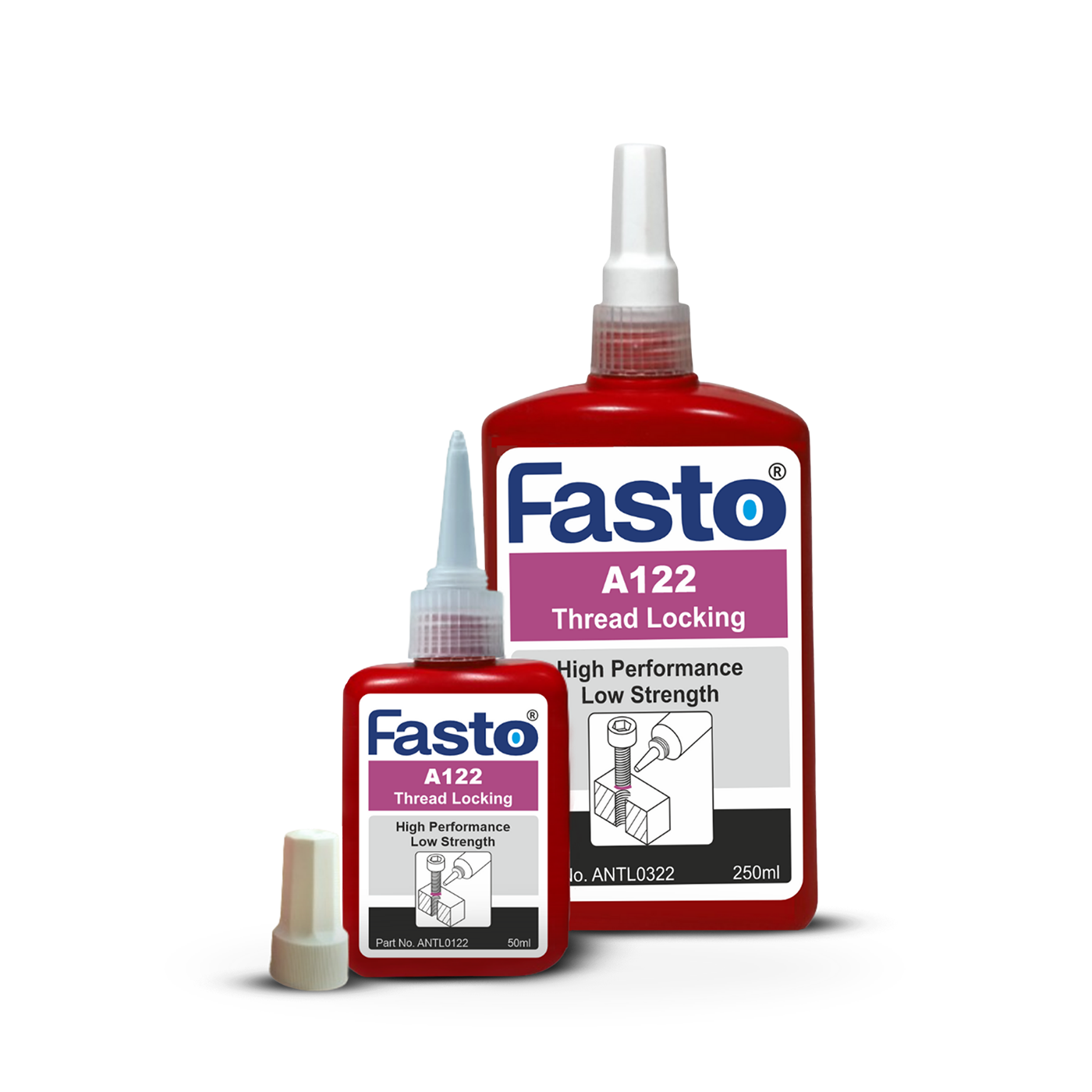
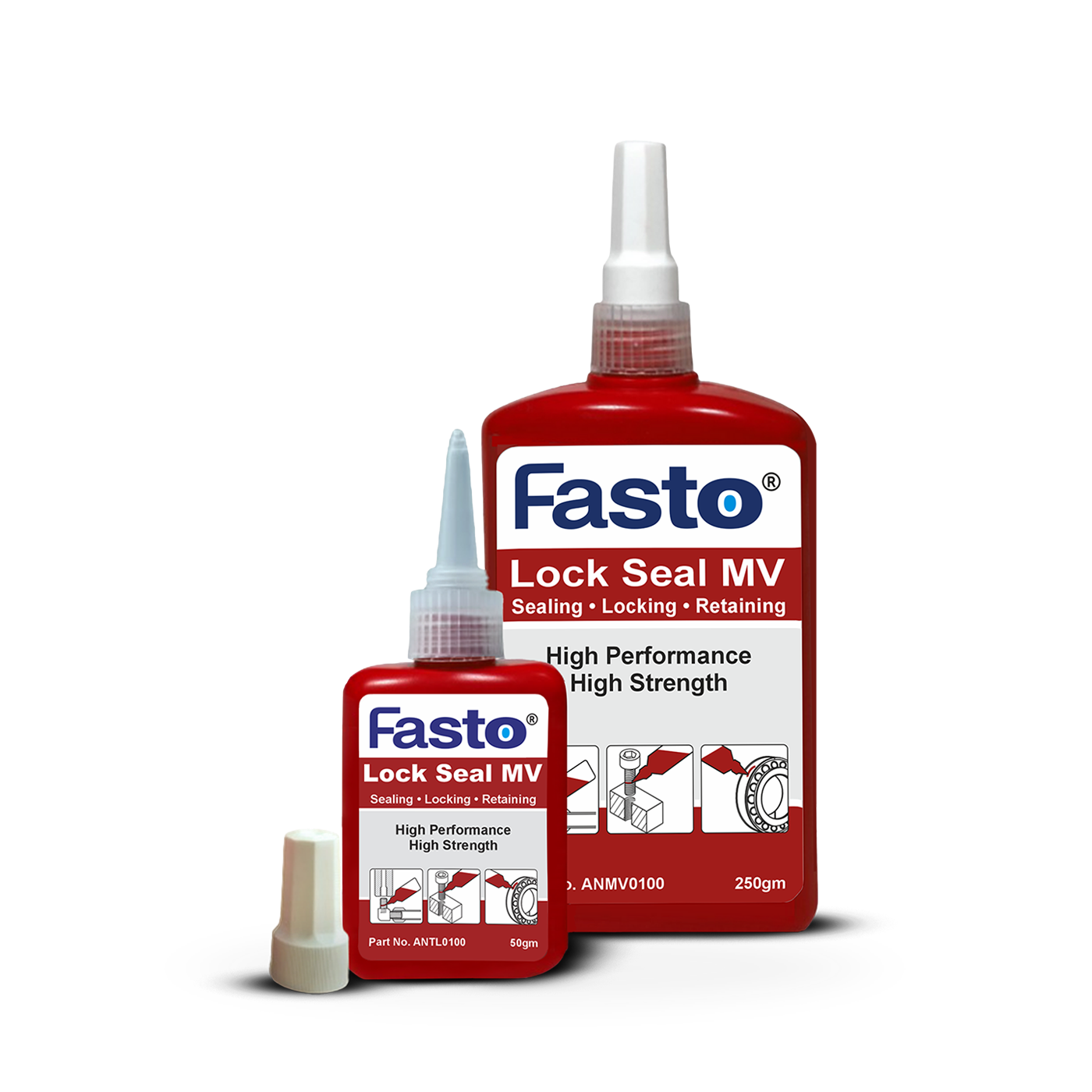
Lock Seals Range
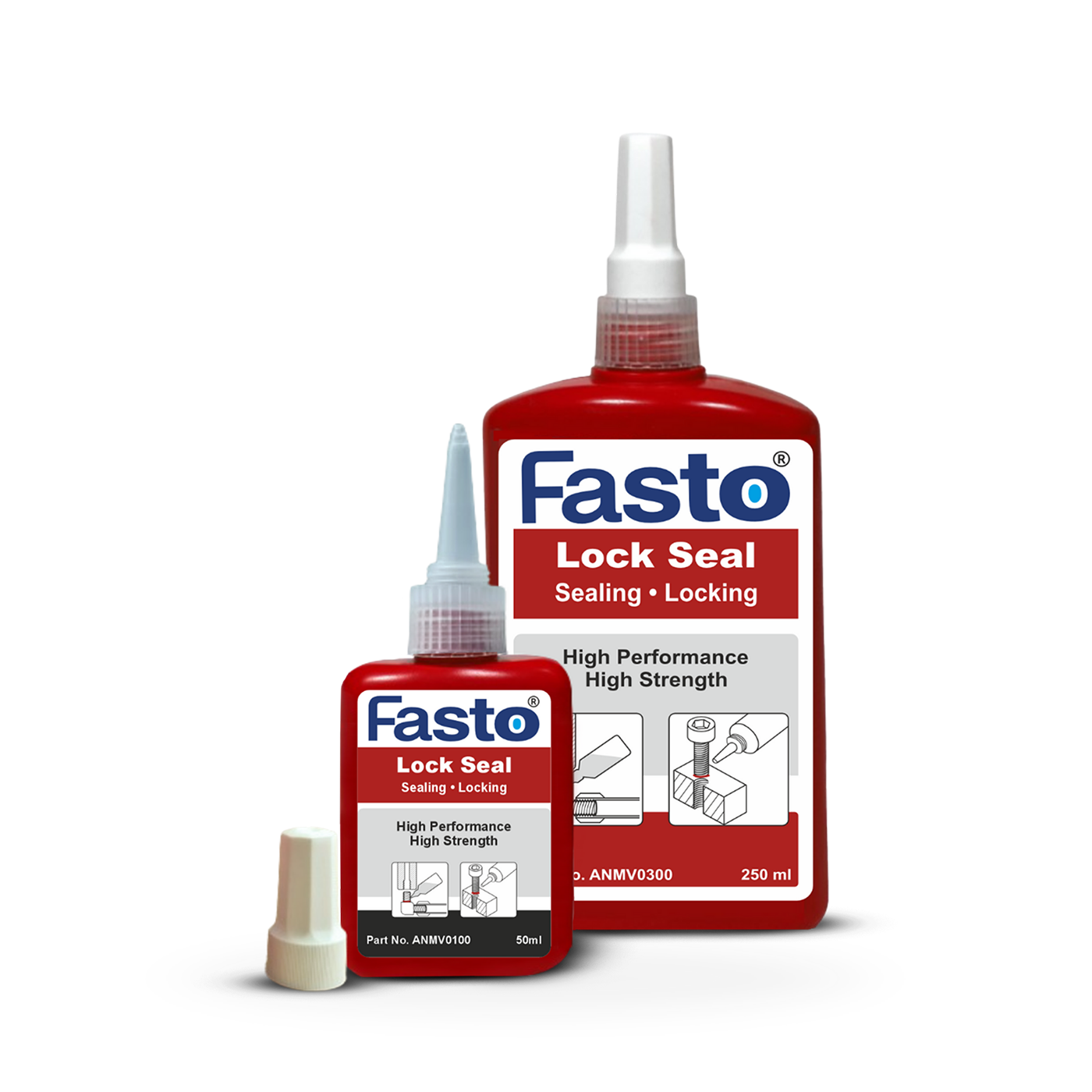
Thread Lockers for Secure Fastening & Vibration Resistance
Fasto Thread Lockers are high-performance anaerobic adhesives designed to prevent fasteners from loosening due to vibration, shock, thermal cycling, and dynamic loads. Also known as thread locking adhesive, thread locking compound, or thread locking glue, these products cure in the absence of air between closely fitted metal surfaces to create a strong and reliable lock.
Thread lockers are widely used across automotive manufacturing, industrial machinery, transportation equipment, agricultural machinery, LED lighting assemblies, appliances, and general engineering applications where maintaining fastener integrity is critical for safety and performance.
Whether you require removable thread locking adhesive for maintenance applications or permanent thread locking compounds for high-strength assemblies, Fasto provides dependable solutions for industrial fastening requirements.
What Are Thread Lockers?
Thread lockers are anaerobic adhesives specifically formulated to secure threaded fasteners such as bolts, nuts, screws, studs, and fittings. Once applied to threaded components and assembled, the adhesive cures between metal surfaces to create a vibration-resistant bond.
Unlike conventional locking methods such as lock washers and mechanical fasteners, thread locking compounds provide complete thread engagement, helping improve reliability while reducing maintenance requirements.
Fasto Thread Lockers offer:
- Protection against vibration loosening
- Prevention of fastener failure
- Corrosion resistance
- Leak prevention
- Reduced maintenance requirements
- Reliable long-term fastening
- Improved assembly durability
Industries Where Thread Lockers Can be Use

Thread locking adhesives help secure critical fasteners in solar mounting structures and equipment exposed to outdoor environments.
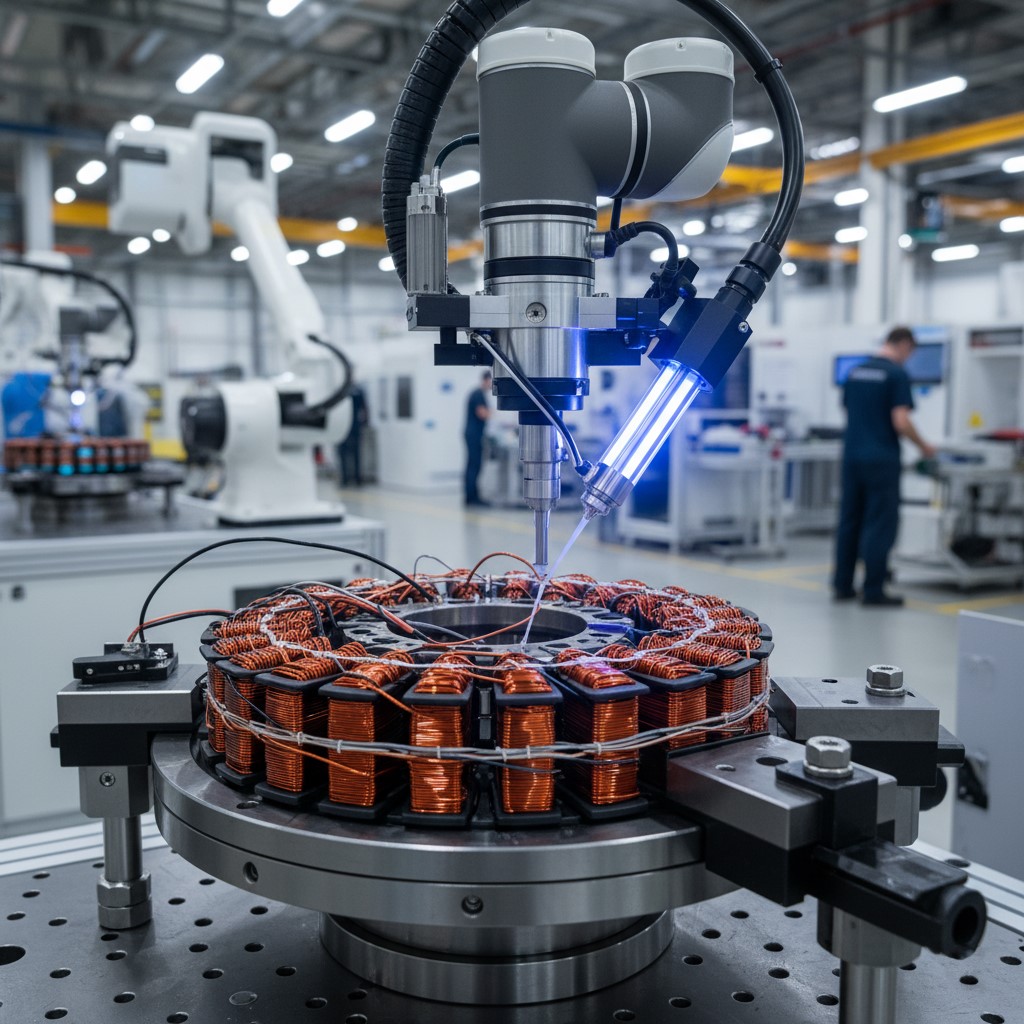
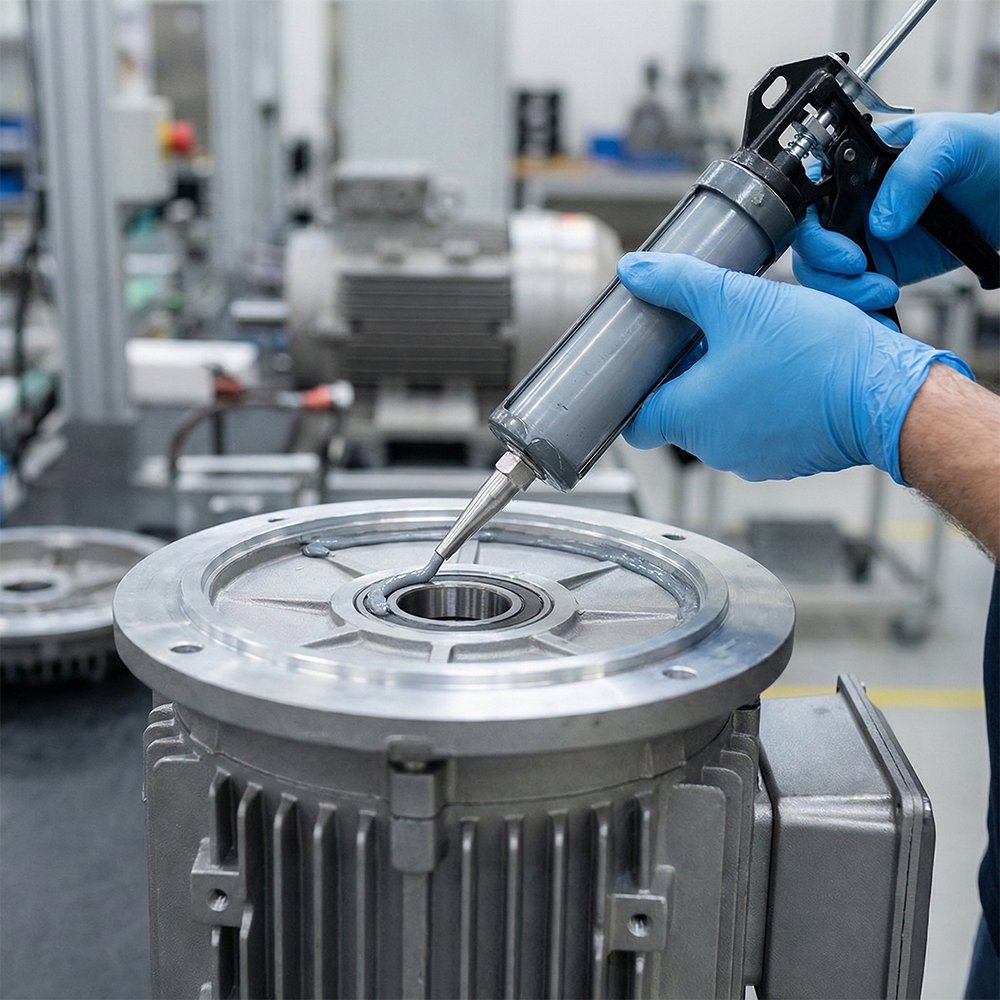
Industrial equipment operates under continuous vibration and dynamic loading conditions, making thread lockers essential for reliable operation.
Transportation equipment requires secure fastening solutions capable of withstanding vibration and operational stresses.
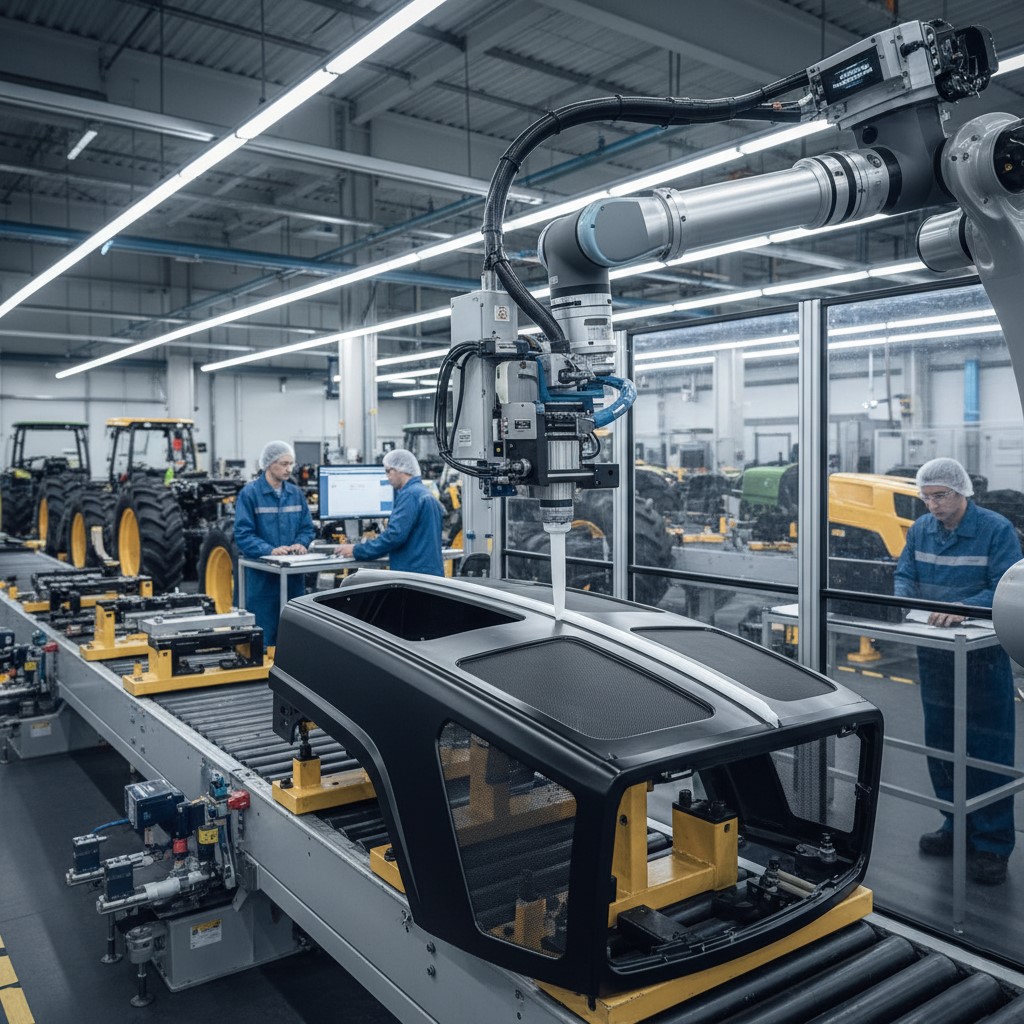
Agricultural equipment is frequently exposed to vibration, impact, dust, and harsh operating conditions.
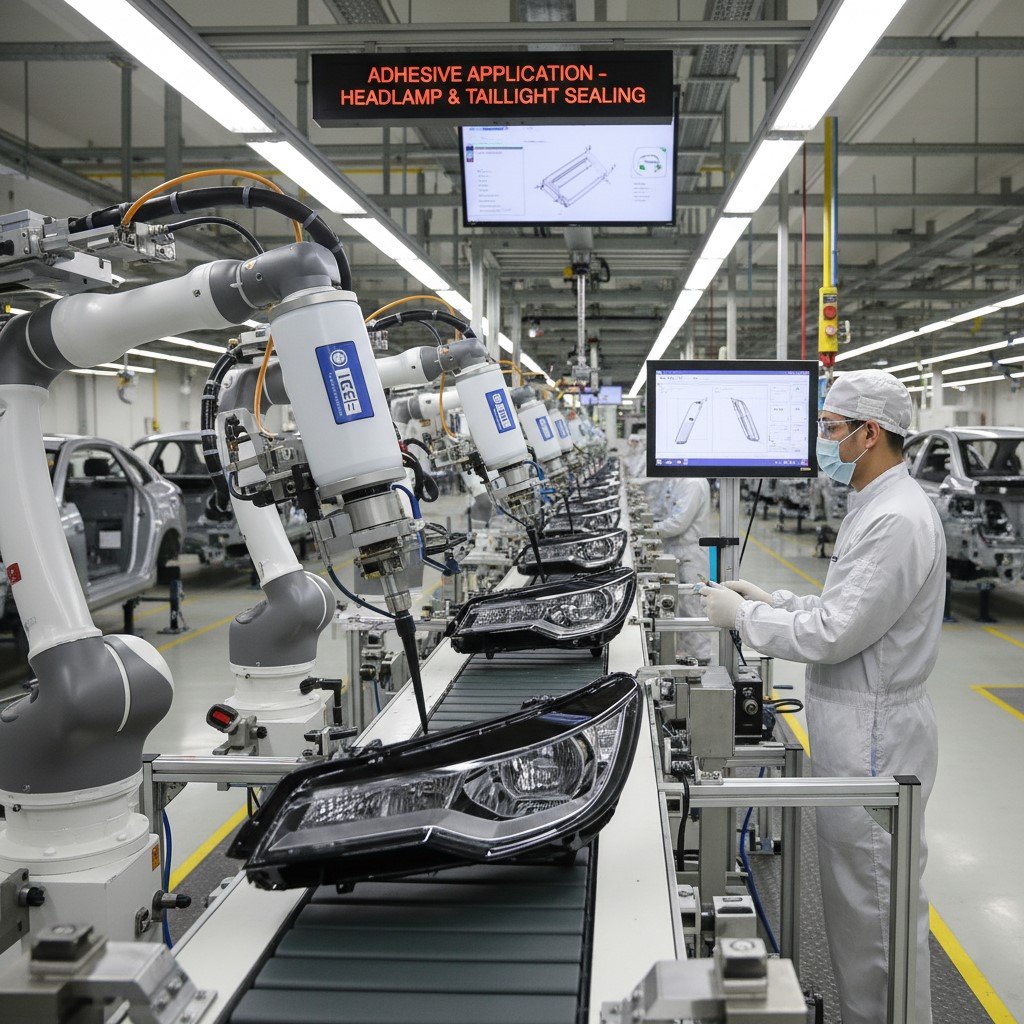

Thread locking compounds are widely used throughout vehicle manufacturing and maintenance operations.
Thread lockers help secure critical fasteners used in lighting systems and electronic equipment.
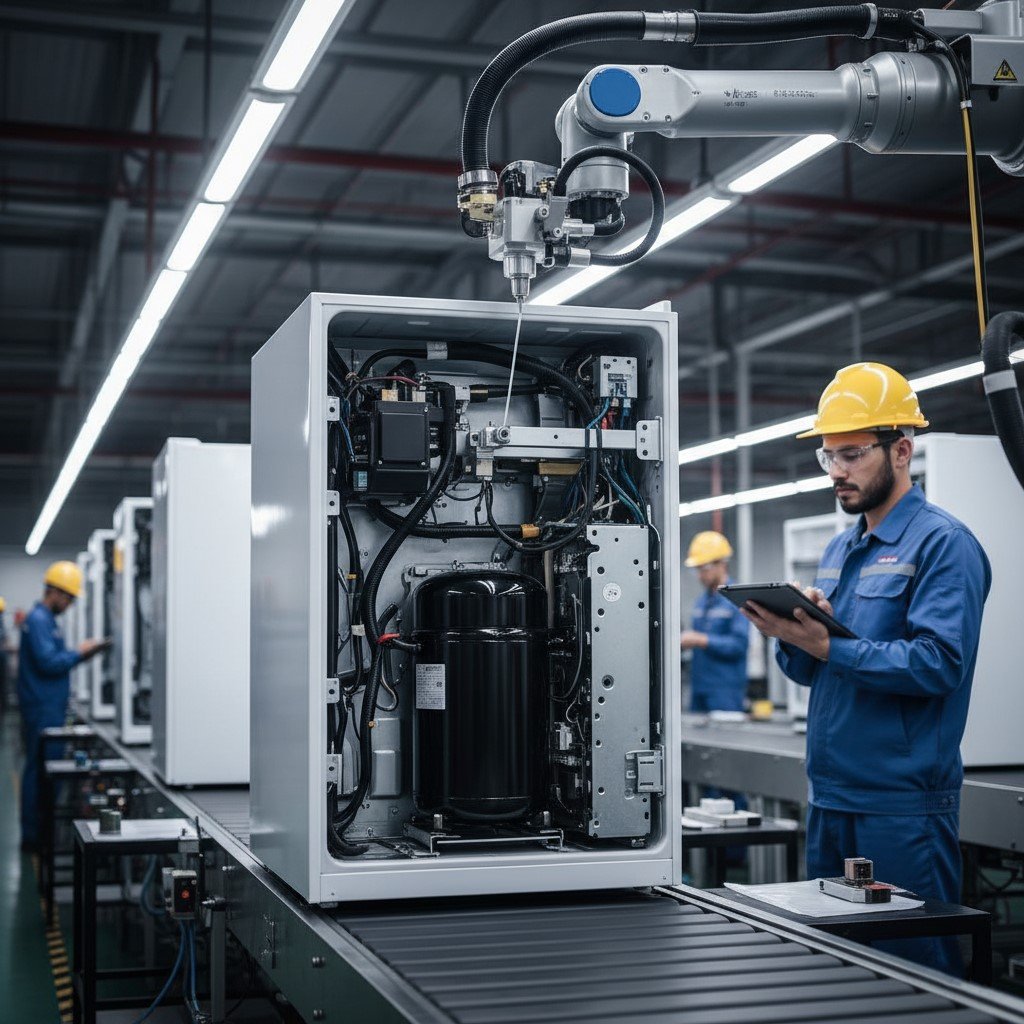
Thread locking adhesives help improve durability and reliability in appliance manufacturing.
Industries Where Thread Lockers Can be Use
Thread locking adhesives help secure critical fasteners in solar mounting structures and equipment exposed to outdoor environments.
Industrial equipment operates under continuous vibration and dynamic loading conditions, making thread lockers essential for reliable operation.
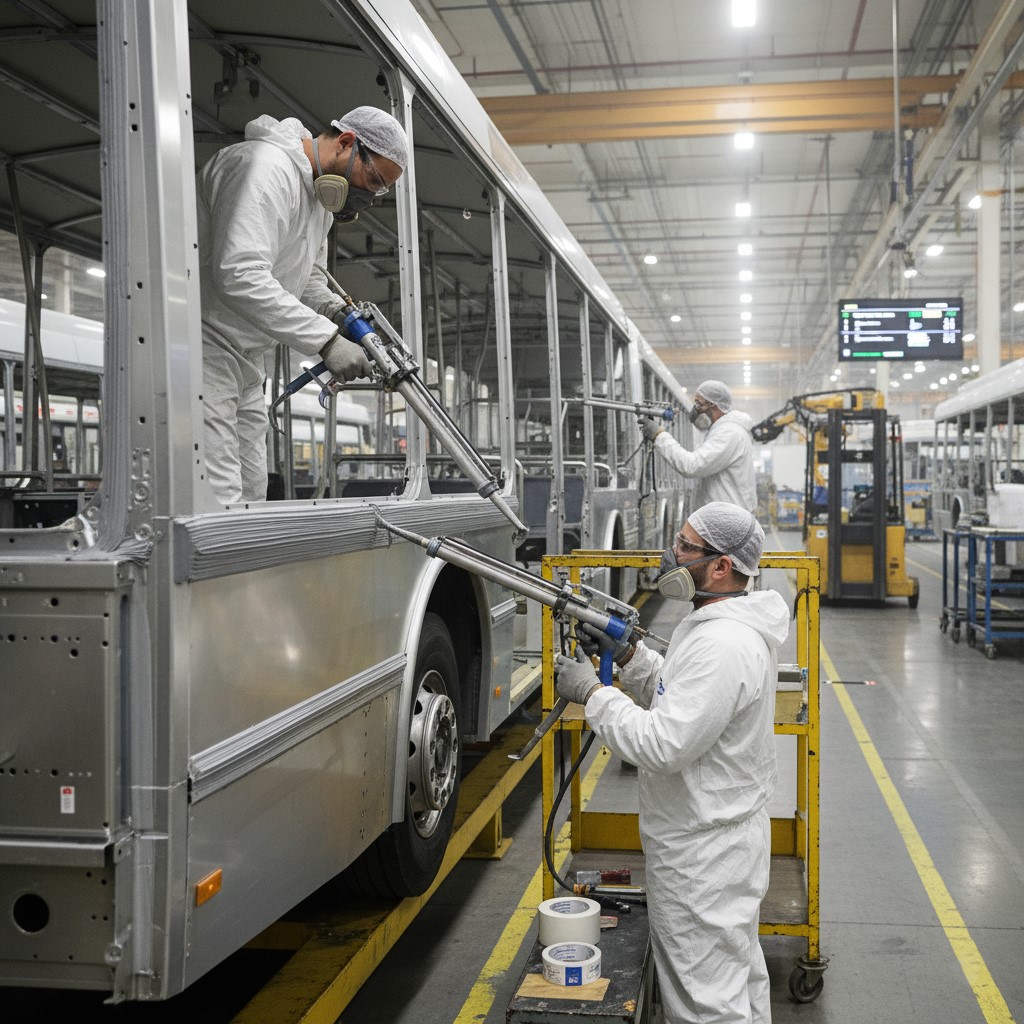
Transportation equipment requires secure fastening solutions capable of withstanding vibration and operational stresses.
Agricultural equipment is frequently exposed to vibration, impact, dust, and harsh operating conditions.
Thread lockers help secure critical fasteners used in lighting systems and electronic equipment.
Thread locking compounds are widely used throughout vehicle manufacturing and maintenance operations.
Thread locking adhesives help improve durability and reliability in appliance manufacturing.
Key Features & Benefits
Prevents Fastener Loosening
Protects threaded assemblies from loosening caused by vibration, shock, and dynamic loads.
Improves Equipment Reliability
Helps maintain assembly integrity and operational performance.
Corrosion Protection
Seals threads against moisture, chemicals, and environmental contaminants.
Reduces Maintenance Costs
Minimizes the need for re-tightening and periodic inspections.
Leak Prevention
Creates a seal between threaded metal parts to help prevent leakage.
Long-Term Performance
Provides durable fastening security even in demanding industrial environments.
Thread Locker Solutions
Low Strength Thread Locker
Suitable for fasteners requiring regular maintenance and easy disassembly.
Medium Strength Thread Locker
Ideal for general-purpose industrial and automotive applications.
High Strength Thread Locker
Designed for permanent locking of critical threaded assemblies.
Industrial Thread Locking Compound
Developed for heavy-duty manufacturing and engineering applications.
Thread Locking Adhesive for Machinery
Provides vibration-resistant fastening for industrial equipment and rotating assemblies.
Why Choose Fasto Thread Lockers?
Fasto provides industrial-grade thread locking adhesive solutions trusted by manufacturers across Solar Energy, Industrial Machinery, Transportation, Agricultural Machinery, Automotive, LED Lighting, and Appliance industries.
Our thread locking compounds are engineered to deliver:
- Reliable vibration resistance
- Strong fastening performance
- Corrosion protection
- Reduced maintenance requirements
- Improved equipment reliability
- Consistent manufacturing quality
- Technical application support
- OEM and bulk supply capabilities
FAQs
A thread locker is an anaerobic adhesive designed to secure threaded fasteners such as nuts, bolts, and screws. It cures in the absence of air between metal surfaces, preventing loosening caused by vibration, shock, and thermal cycling.
Thread lockers are used to prevent threaded fasteners from loosening in machinery, automotive assemblies, industrial equipment, pumps, motors, gearboxes, and other applications exposed to vibration and movement.
Thread lockers cure when confined between metal threads and deprived of oxygen. Once cured, the adhesive fills the gaps between mating threads, creating a secure bond that resists loosening and leakage.
Unlike mechanical locking devices, thread lockers provide 100% contact between threads, helping distribute load evenly while preventing loosening due to vibration, shock, corrosion, and thermal expansion.
Thread lockers are typically available in:
- Low Strength – For adjustment screws and small fasteners
- Medium Strength – For removable fasteners requiring routine maintenance
- High Strength – For permanent or heavy-duty assemblies
- Wicking Grade – For pre-assembled fasteners requiring post-assembly locking
The appropriate grade depends on maintenance and disassembly requirements.
Generally:
- Blue Thread Locker (Medium Strength) allows disassembly using standard hand tools.
- Red Thread Locker (High Strength) is intended for permanent assemblies and may require heat or special tools for removal.
Specific performance varies by product formulation.
Yes. Thread lockers are specifically designed to prevent loosening caused by vibration, shock loading, mechanical movement, and dynamic operating conditions.
Thread lockers are commonly used on:
- Steel
- Stainless Steel
- Aluminum
- Brass
- Iron Alloys
- Other Metallic Fasteners
Material compatibility may vary depending on the adhesive grade.
Yes. Thread lockers are widely used in automotive manufacturing and maintenance for securing engine components, transmissions, suspension systems, brake assemblies, and other critical fasteners.
Many industrial thread lockers are formulated to provide reliable performance across a wide temperature range. High-temperature grades are available for demanding industrial and automotive applications.
Yes. Thread locking adhesives seal the gaps between threads, helping prevent moisture ingress, corrosion, rust formation, and fretting wear.
Handling strength is often achieved within minutes to a few hours, depending on the product and substrate. Full cure typically occurs within 24 hours under normal conditions.
Yes. Thread lockers can be used on stainless steel fasteners, although certain grades may require primers or activators to optimize cure speed and performance.
Anaerobic thread locker is a type of adhesive that cures when oxygen is excluded and the adhesive is confined between metal surfaces. This technology is widely used for securing threaded assemblies.
Yes. Medium-strength thread lockers can generally be removed using standard hand tools. High-strength grades may require heat or specialized removal techniques.
Thread lockers are widely used in:
- Automotive Manufacturing
- Industrial Machinery
- Pumps and Valves
- Aerospace Components
- Renewable Energy Systems
- Electrical Equipment
- Heavy Engineering
- Construction Equipment
Key advantages include:
- Prevents fastener loosening
- Resists vibration and shock
- Protects against corrosion
- Eliminates the need for lock washers
- Improves assembly reliability
- Reduces maintenance requirements
- Enhances equipment safety
Selection depends on:
- Fastener size
- Material type
- Operating temperature
- Vibration levels
- Required removal method
- Maintenance frequency
- Strength requirements
Choosing the correct grade ensures long-term fastening reliability.
Yes. Fasto Adhesives offers a range of industrial thread locking adhesives engineered for secure fastening, vibration resistance, corrosion protection, and long-term assembly performance across multiple industries.