Structural adhesives are used for bonding a wide range of materials in load-bearing applications, including:
Metal-to-metal bonding,
Metal-to-composite bonding,
Composite assembly,
Construction panels,
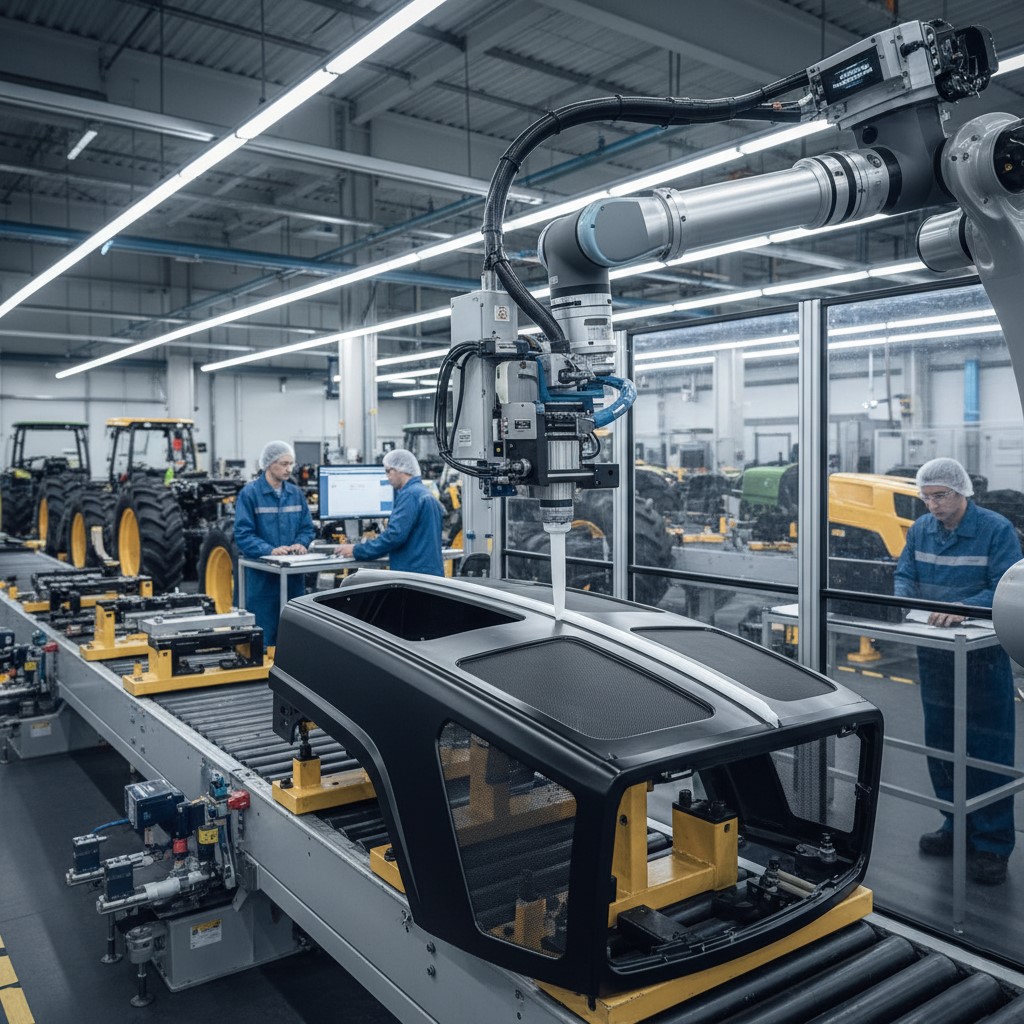
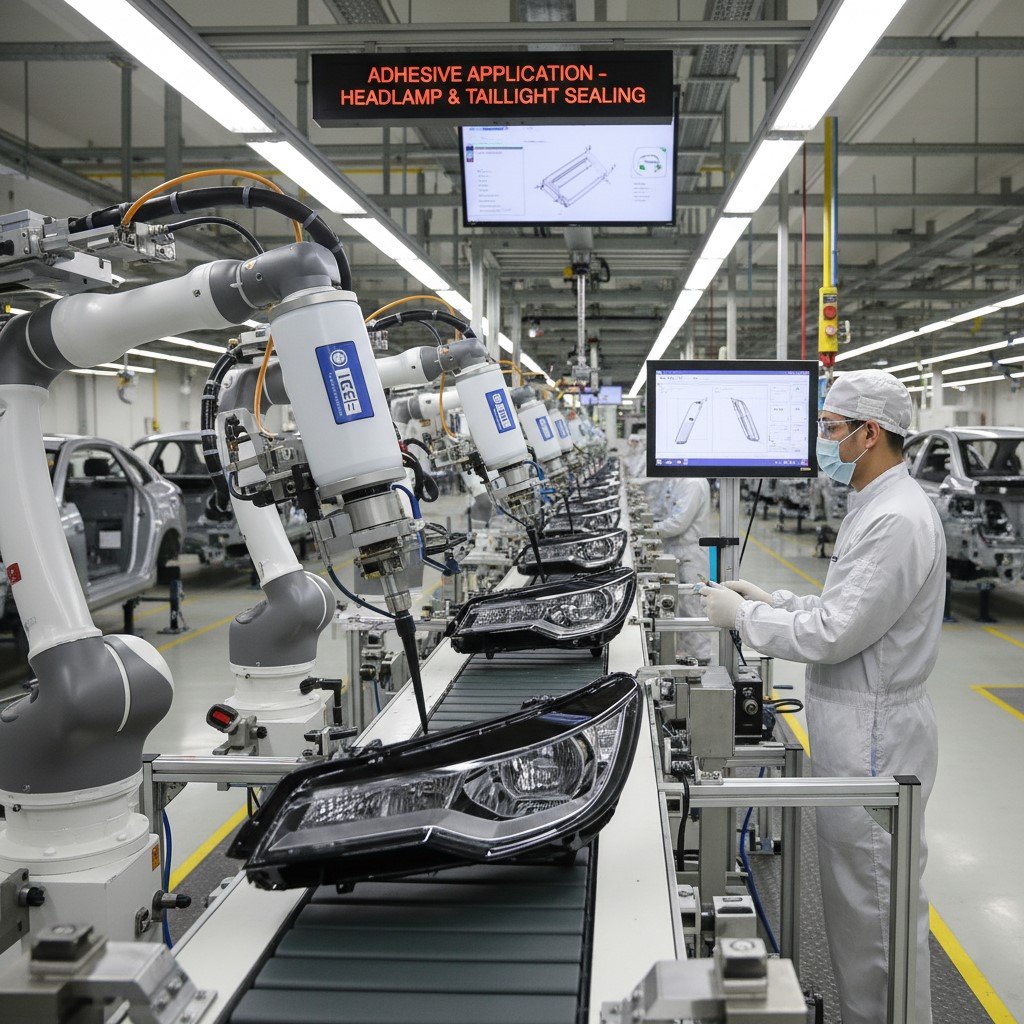
Automotive components,
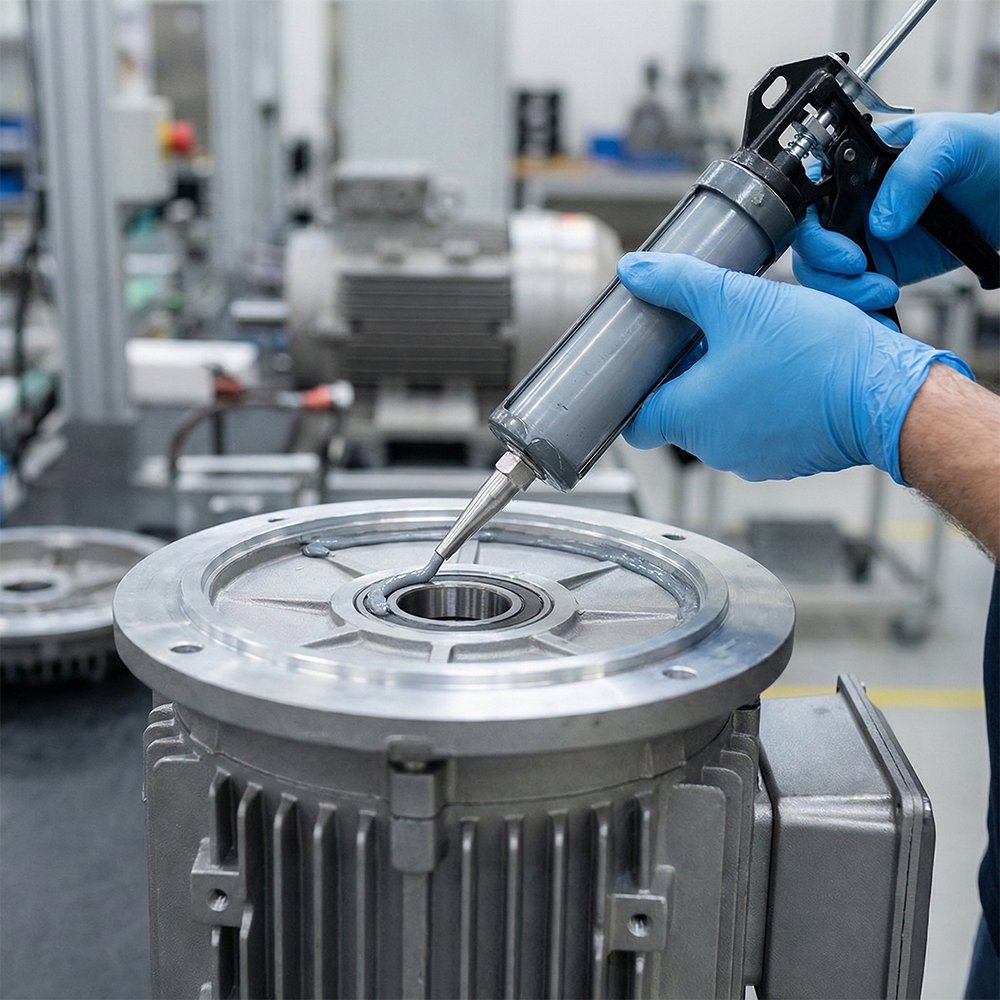
Industrial equipment,
Signage and architectural assemblies,
Engineering structures.
They provide strong, durable bonds that can often replace traditional mechanical fastening methods.
Structural adhesives distribute stress evenly across the bonded surface, unlike welding, rivets, or bolts that concentrate stress at specific points. This helps reduce material fatigue, improve aesthetics, minimize weight, and enhance overall assembly performance.
Structural adhesives can bond a variety of substrates, including:
Steel,
Stainless Steel,
Aluminum,
Galvanized Metal,
Composites,
Plastics,
Fiberglass,
Wood,
Concrete,
Stone,
Ceramics.
The appropriate adhesive grade depends on the substrate combination and application requirements.
Structural adhesive technologies commonly include:
Epoxy Adhesives,
Acrylic Adhesives,
Polyurethane Adhesives,
Methacrylate Adhesives,
Hybrid Structural Adhesives.
Each offers unique performance characteristics for different industrial applications.
Structural adhesives provide excellent bond strength and often complement or replace mechanical fasteners in many applications. They offer continuous load distribution across the bonding area, which can improve overall structural integrity.
In many applications, structural adhesives can reduce or eliminate the need for welding. They are particularly beneficial when bonding dissimilar materials, heat-sensitive substrates, coated surfaces, or lightweight assemblies.
Yes. Structural adhesives are widely used for bonding aluminum, stainless steel, mild steel, galvanized steel, and other metals in industrial and engineering applications.
Yes. Structural adhesives are commonly used to bond fiberglass, carbon fiber composites, engineered plastics, and lightweight structural materials used in transportation and industrial manufacturing.
Many structural adhesives offer excellent resistance to:
Moisture,
Humidity,
UV Exposure,
Temperature Fluctuations,
Chemicals,
Fuels,
Industrial Fluids.
This makes them suitable for both indoor and outdoor applications.
Structural adhesives are widely used in:
Automotive Manufacturing,
Transportation Equipment,
Construction,
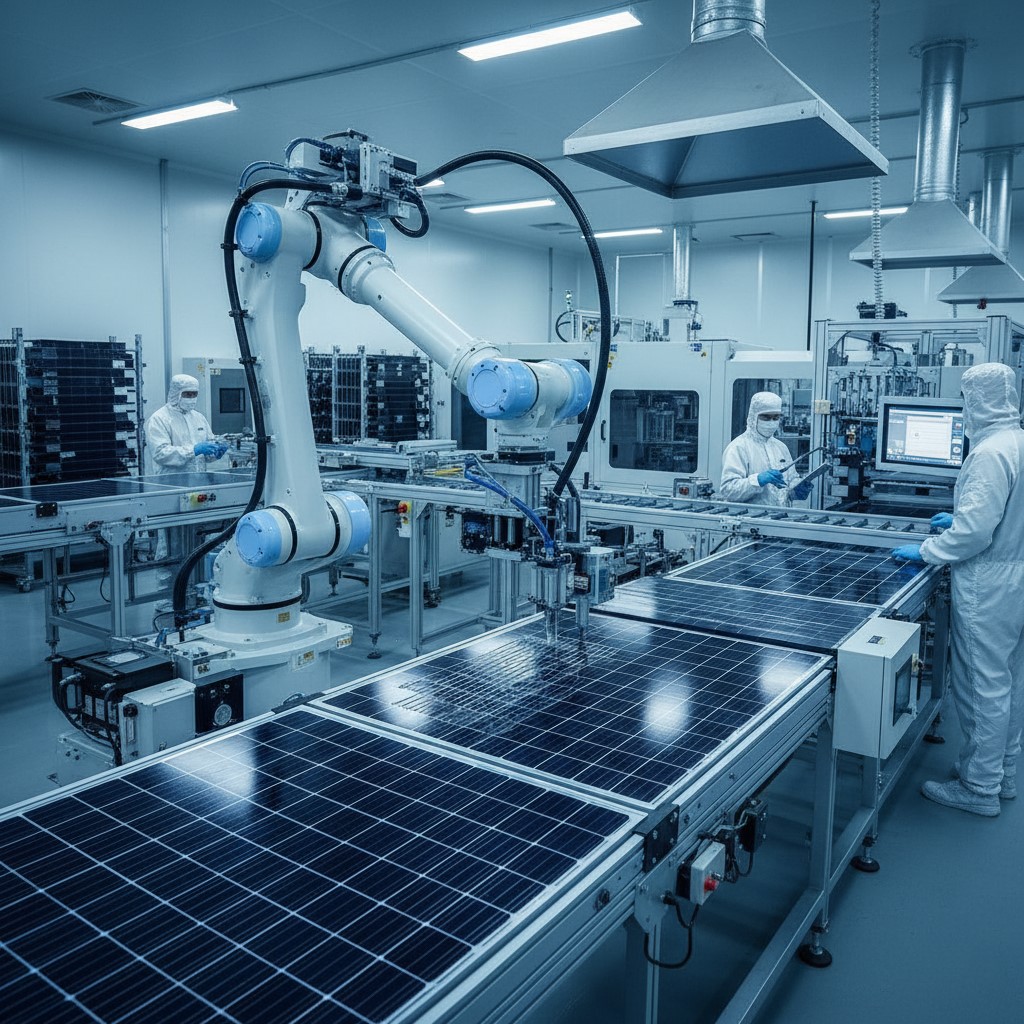
Renewable Energy,
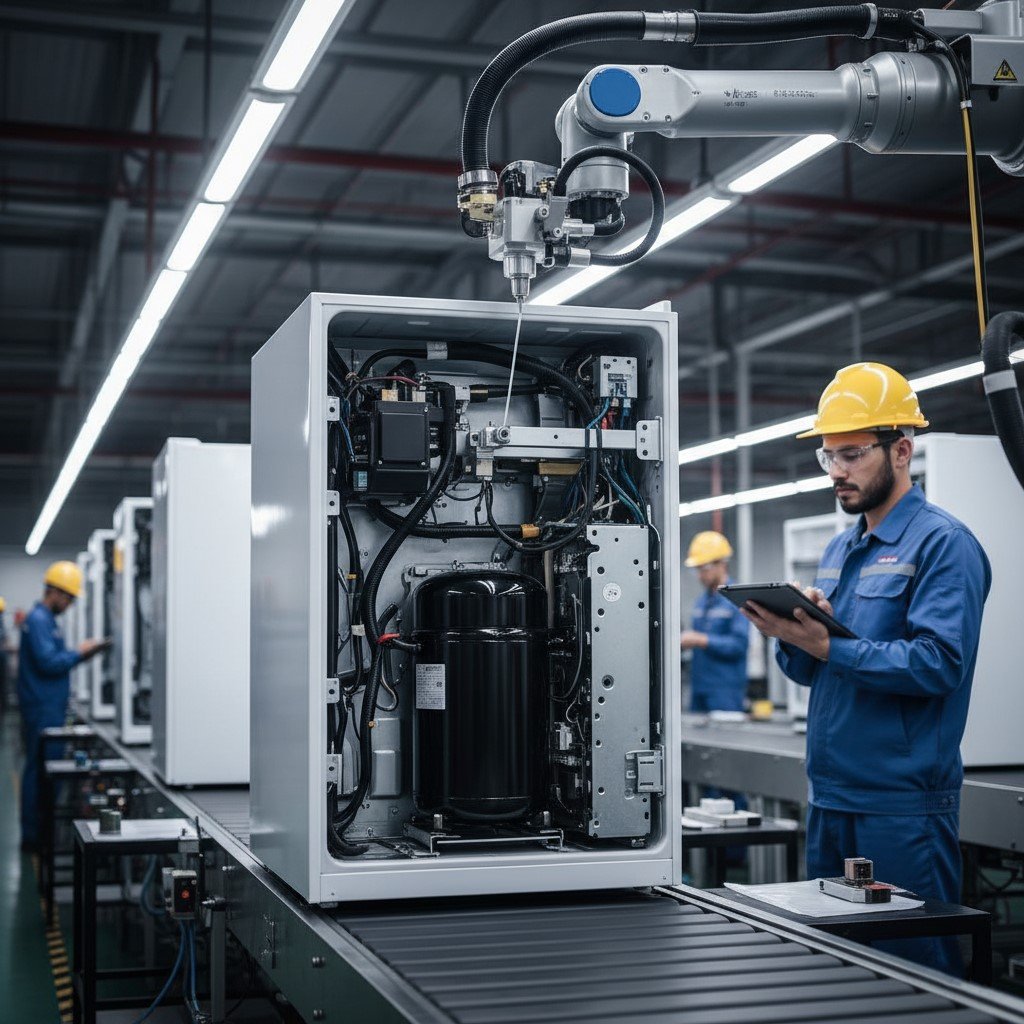
Industrial Equipment Manufacturing,
Aerospace Components,
Marine Applications,
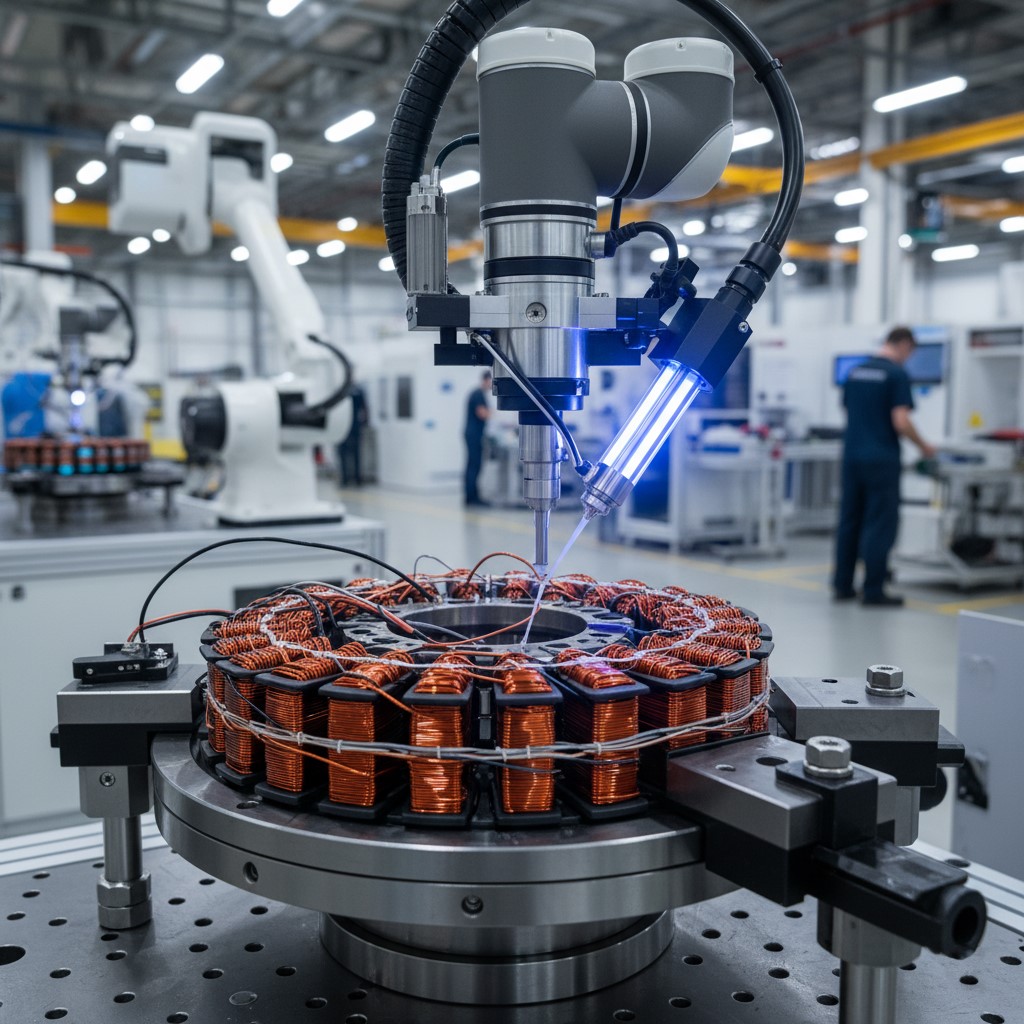
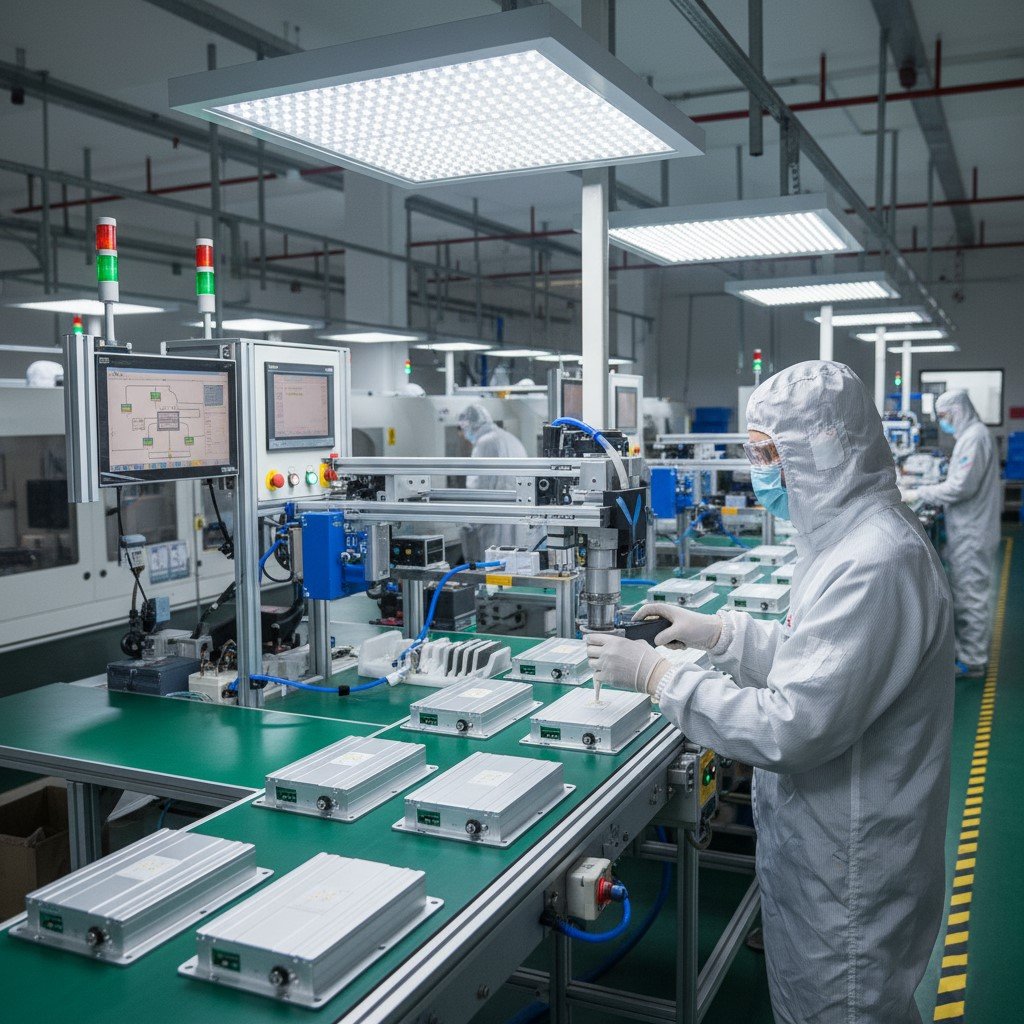
Electrical and Electronic Assembly.
Cure times vary depending on the adhesive technology, substrate, temperature, and environmental conditions. Some formulations provide rapid handling strength, while others achieve full structural performance after complete curing.
Key factors include:
Surface preparation,
Substrate compatibility,
Bond gap size,
Environmental conditions,
Application method,
Cure time and temperature.
Proper application ensures maximum bond strength and durability.
For optimal performance:
Remove dirt, dust, oil, and contaminants.
Ensure surfaces are clean and dry.
Use mechanical abrasion or primers if recommended.
Follow the adhesive manufacturer's,
application guidelines.
Proper preparation significantly improves bond reliability.
Key advantages include:
High bond strength,
Load distribution across bonded surfaces,
Reduced weight compared to mechanical fastening,
Corrosion prevention,
Improved aesthetics,
Vibration and impact resistance,
Ability to bond dissimilar materials,
Enhanced design flexibility.
Yes. Many structural adhesive formulations are designed for outdoor exposure and provide long-term resistance to weathering, moisture, UV radiation, and temperature variations.