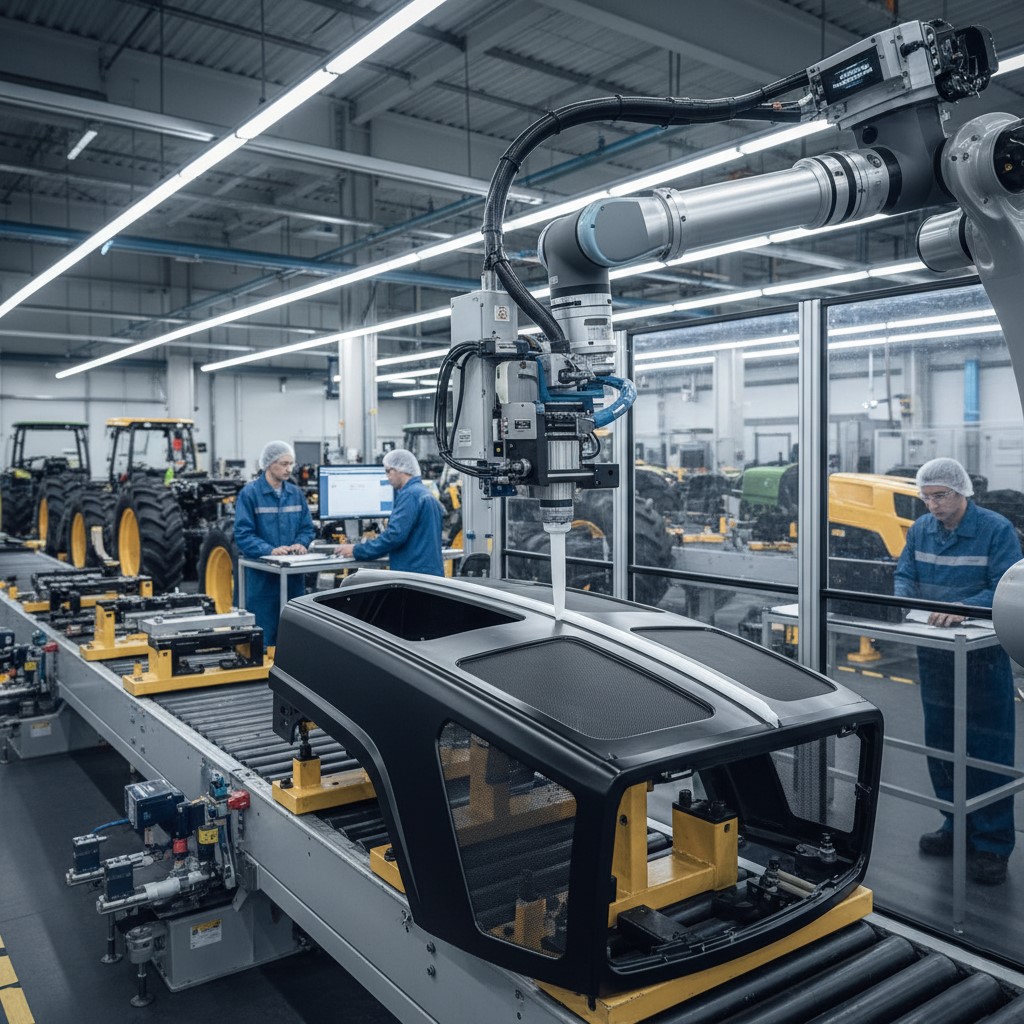
Adhesives and sealants are used in agricultural equipment to improve durability, prevent leakage, reduce vibration, protect components from harsh environmental conditions, and enhance the overall reliability of machinery operating in demanding farming environments.
Agricultural equipment manufacturers commonly use:
Thread Lockers,
Thread Sealants,
Retaining Adhesives,
Flange Sealants,
Structural Adhesives,
RTV Silicone Sealants,
Cyanoacrylate Adhesives,
Potting Compounds,
Thermal Management Materials.
These products help secure, seal, protect, and strengthen critical machinery components.
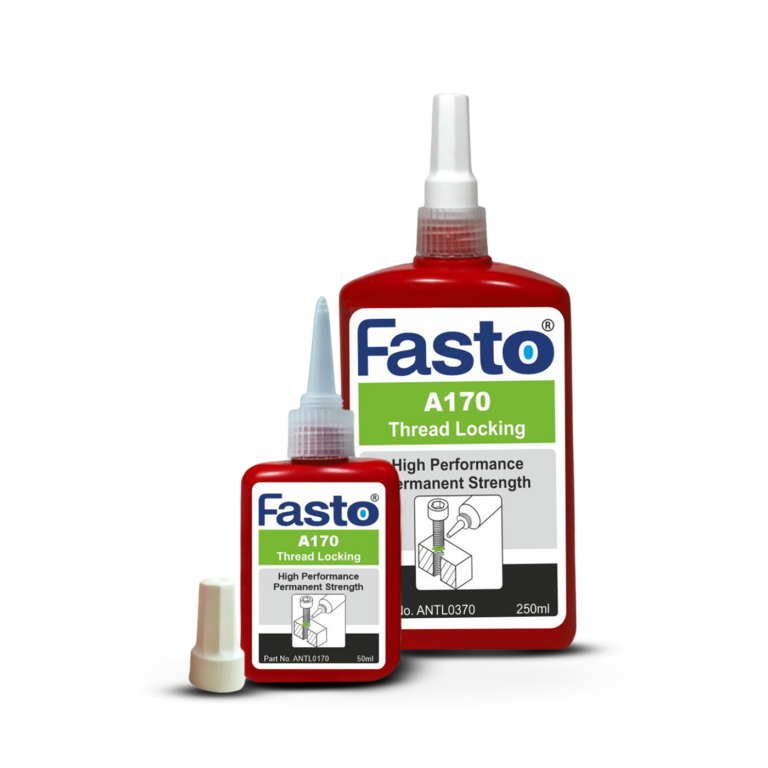
Agricultural machinery is exposed to constant vibration, shock loads, and rough terrain. Thread lockers help prevent bolts, nuts, and fasteners from loosening, reducing maintenance requirements and improving operational safety.
Retaining adhesives are used to secure bearings, bushings, gears, shafts, pulleys, and cylindrical assemblies. They help prevent movement, reduce wear, and improve equipment reliability under heavy operating conditions.
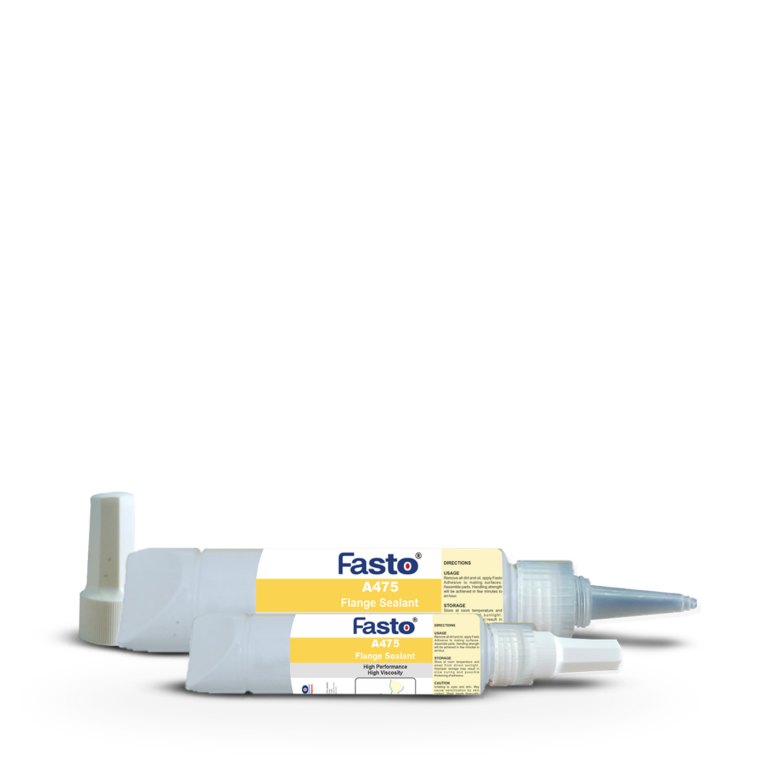
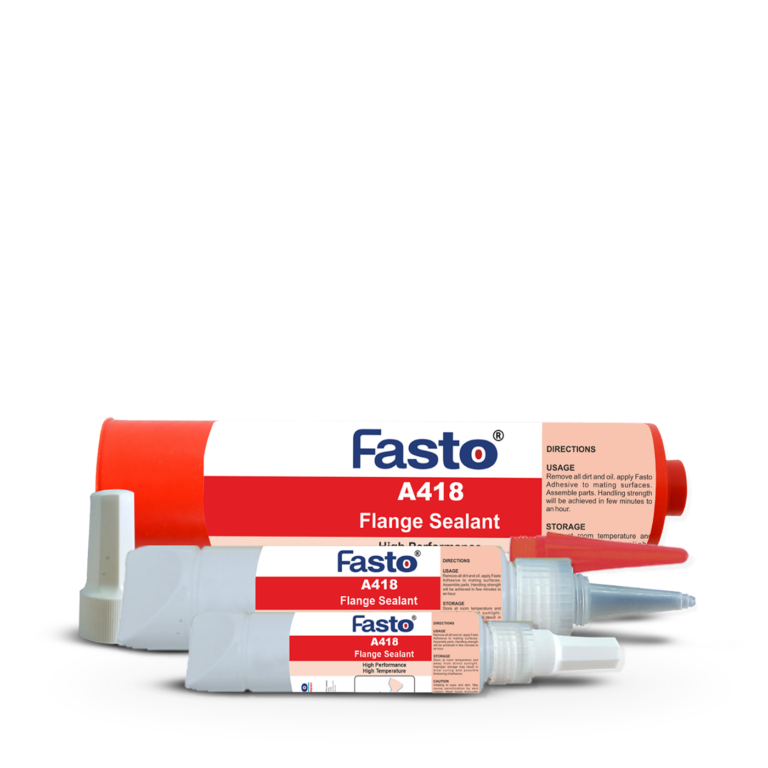
Flange sealants provide leak-proof sealing in engines, transmissions, hydraulic systems, pumps, and gearboxes. They help prevent fluid leakage while reducing the need for conventional gaskets.
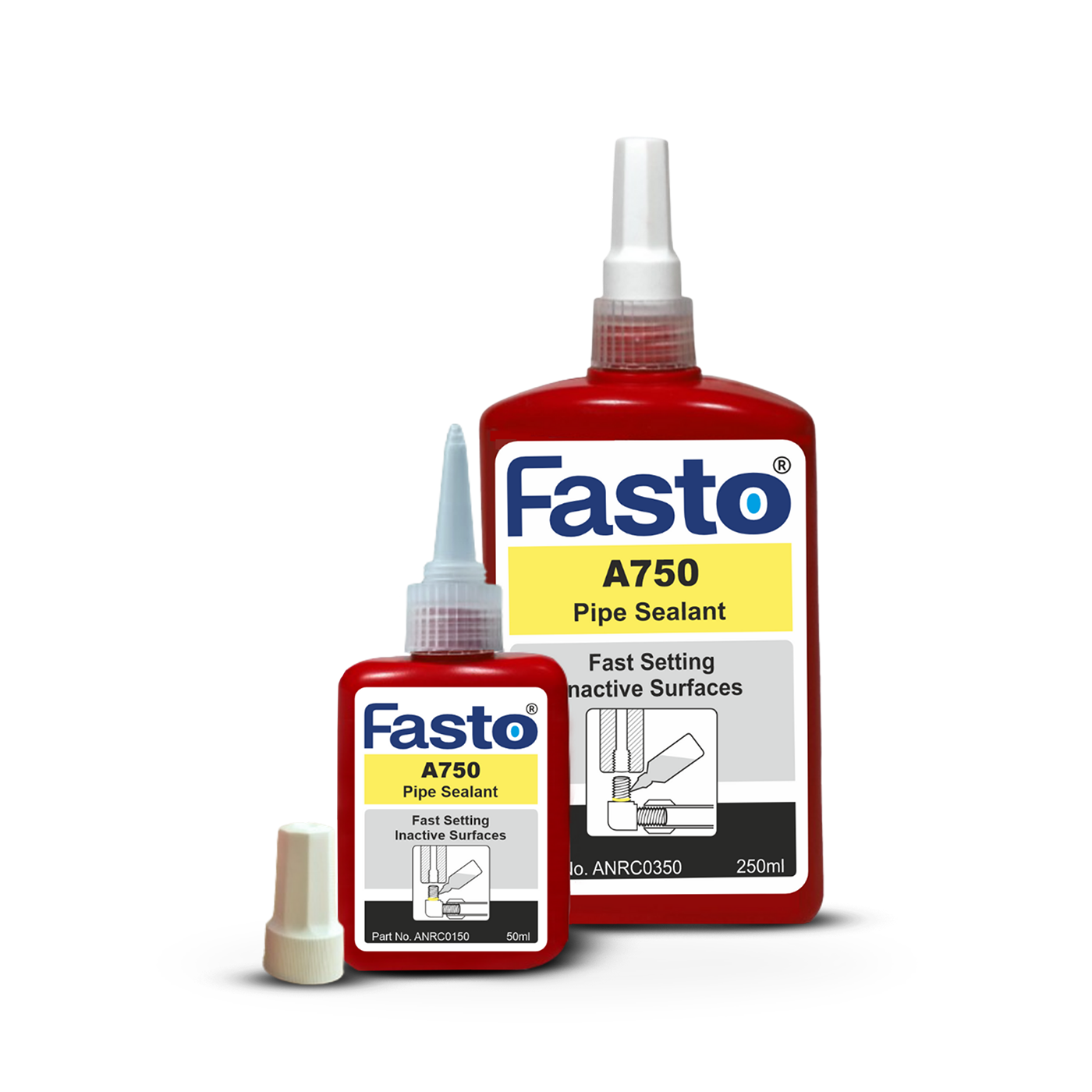
Thread sealants prevent leakage from threaded pipe connections used in hydraulic, pneumatic, fuel, lubrication, and irrigation systems. They also help protect fittings from corrosion and vibration-induced loosening.
Structural adhesives provide high-strength bonding for metal panels, composite parts, cabins, housings, and equipment assemblies. They help distribute loads evenly while reducing the need for welding and mechanical fastening.
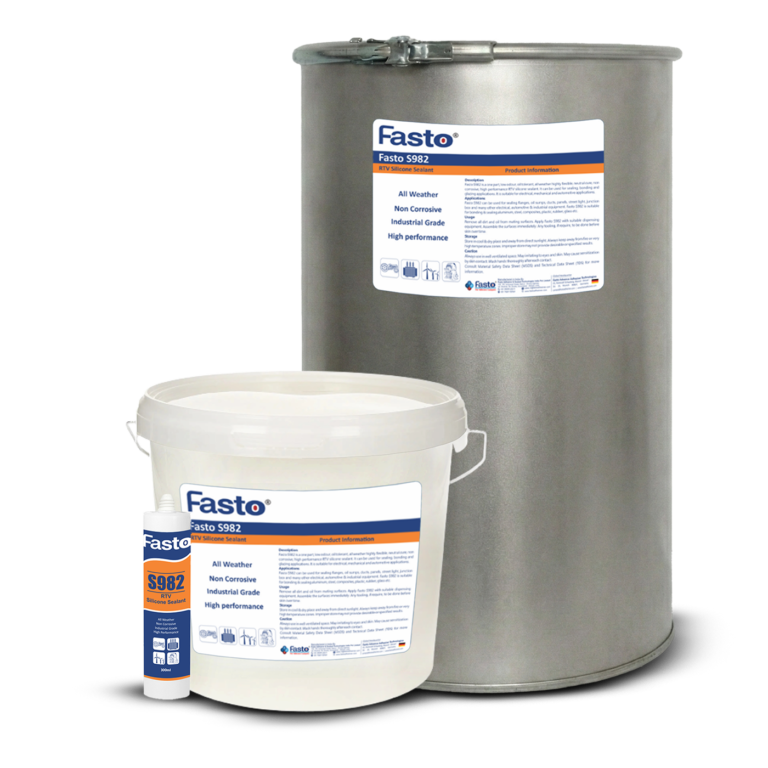
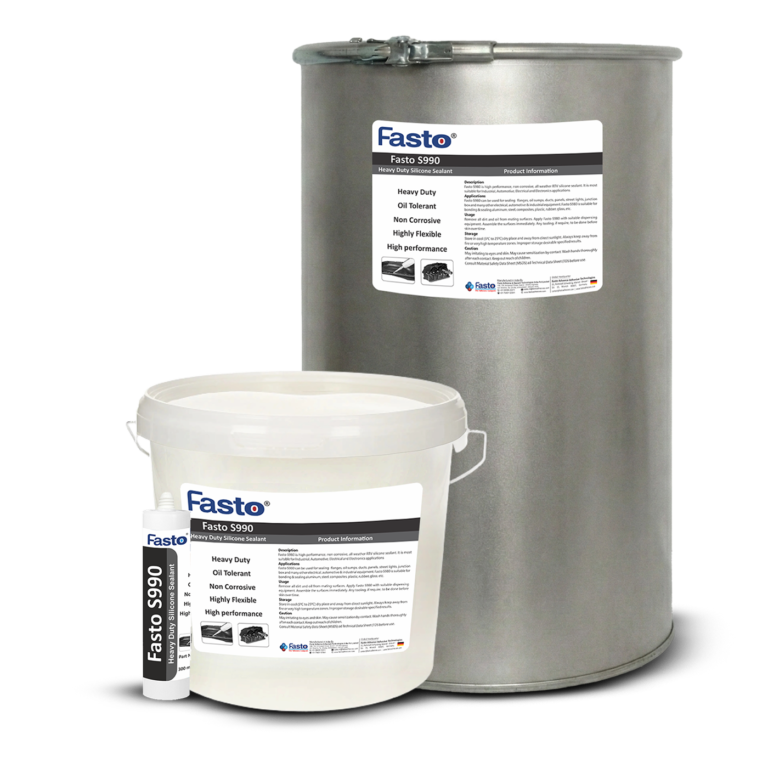
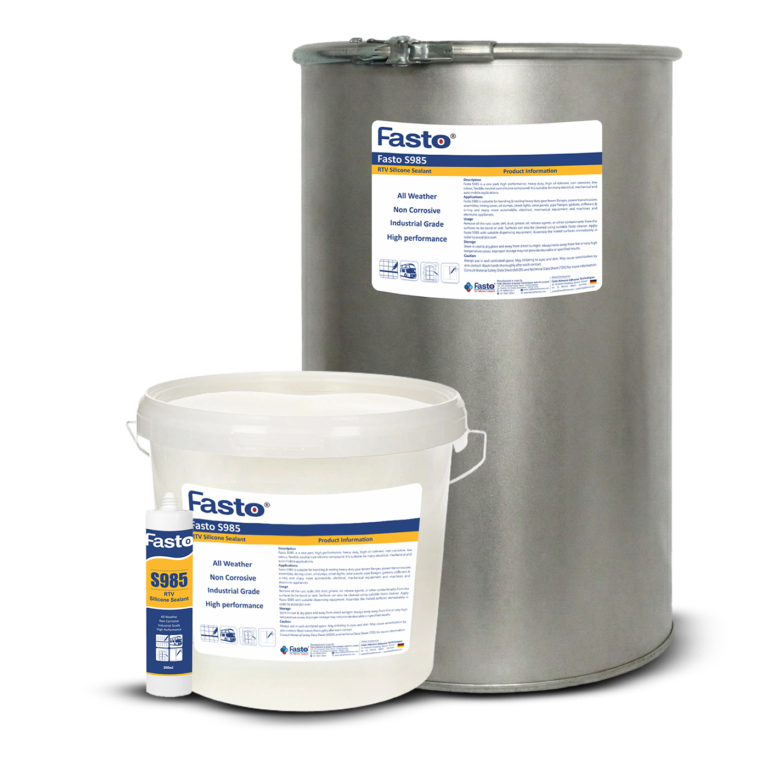
RTV silicone sealants provide flexible sealing and environmental protection against:
Water,
Mud,
Dust,
Fertilizers,
Chemicals,
UV Exposure,
Temperature Variations.
They help maintain equipment performance in outdoor operating environments.
Yes. Industrial-grade adhesives used in agricultural equipment are designed to withstand continuous vibration, mechanical shock, and dynamic loading conditions commonly encountered during field operations.
Many industrial adhesives and sealants are formulated to resist exposure to fertilizers, pesticides, lubricants, fuels, hydraulic fluids, and other agricultural chemicals.
Adhesives and Sealants are Commonly Used in:
Tractors,
Harvesters,
Seed Drills,
Sprayers,
Irrigation Equipment,
Balers,
Cultivators,
Agricultural Trailers.
They support both original equipment manufacturing and maintenance applications.
By preventing fastener loosening, fluid leakage, corrosion, and component wear, adhesives help improve equipment reliability and reduce unexpected breakdowns during critical farming operations.
Yes. Thread sealants, flange sealants, retaining compounds, and specialty adhesives are widely used in hydraulic systems to ensure leak-free operation and long-term performance.
Yes. Many adhesive and sealant formulations are designed to perform under both high and low temperature conditions while maintaining bond strength and sealing effectiveness.
Retaining compounds eliminate micro-movement between components, improve load distribution, reduce fretting corrosion, and extend the service life of bearings, shafts, and housings.
Key benefits include:
Improved Equipment Reliability,
Leak Prevention,
Vibration Resistance,
Corrosion Protection,
Reduced Maintenance Costs,
Extended Component Life,
Improved Structural Integrity,
Enhanced Operational Safety.
Selection depends on:
Equipment Type,
Operating Conditions,
Substrate Materials,
Temperature Exposure,
Chemical Resistance Requirements,
Load Conditions,
Maintenance Needs.
Choosing the right adhesive ensures maximum performance and durability.
Yes. Adhesives and sealants are widely used for maintenance, repair, and overhaul (MRO) activities to restore equipment performance, reduce downtime, and extend machinery life.
Anaerobic adhesives cure between metal surfaces in the absence of air, making them ideal for thread locking, thread sealing, flange sealing, and retaining applications found throughout agricultural machinery.
Yes. Fasto Adhesives provides a complete range of thread lockers, retaining compounds, flange sealants, thread sealants, structural adhesives, RTV silicone sealants, and specialty bonding solutions designed for agricultural machinery manufacturing and maintenance.