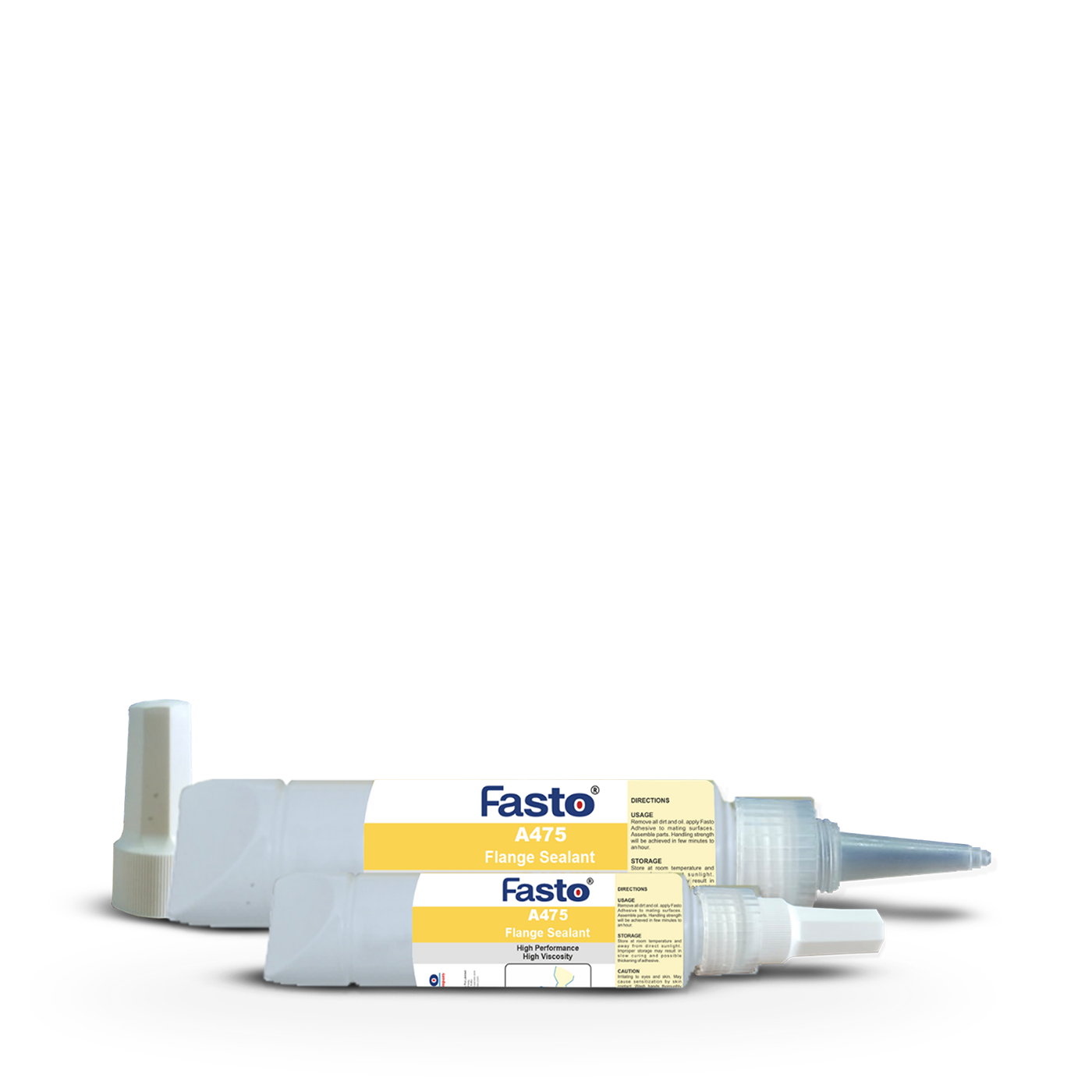
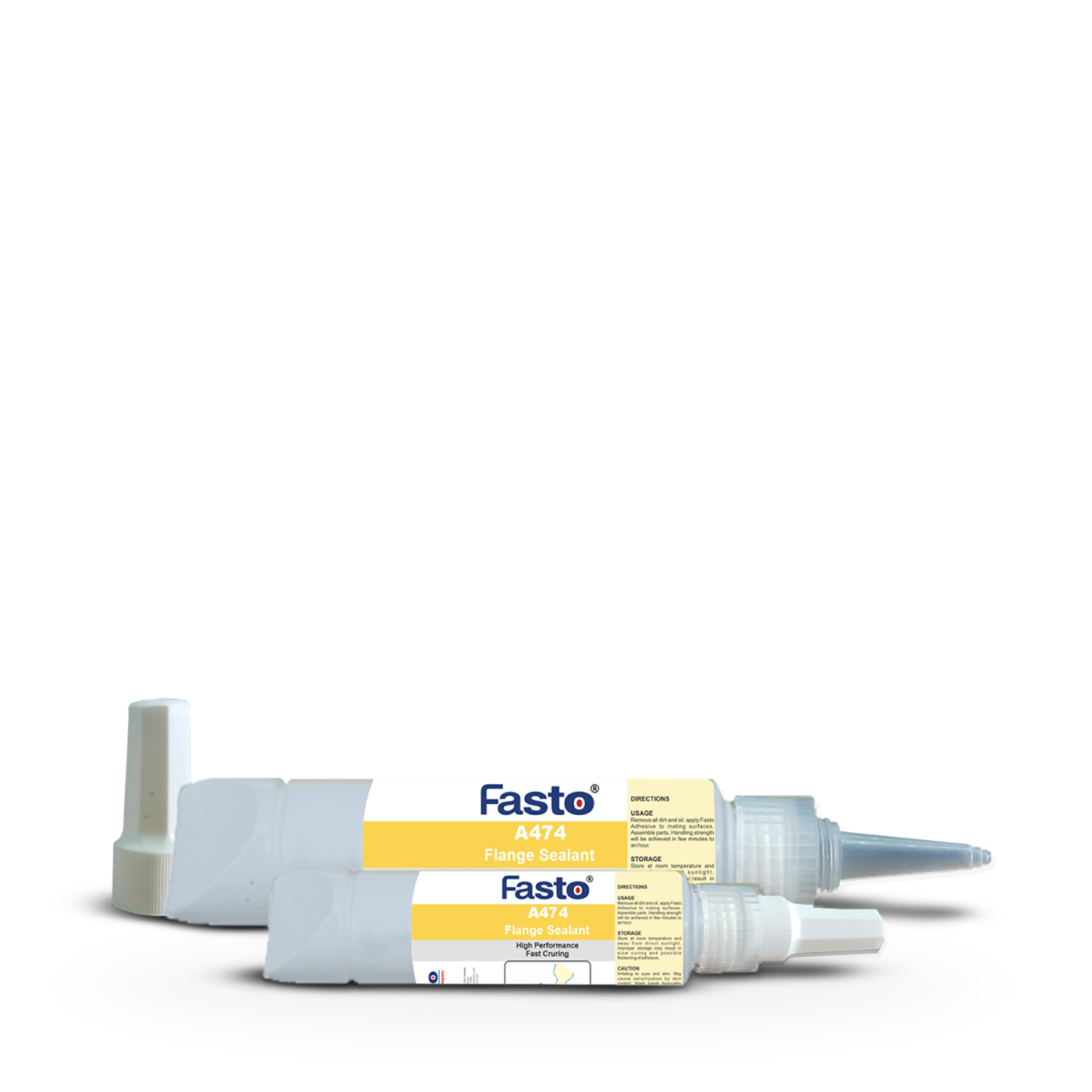
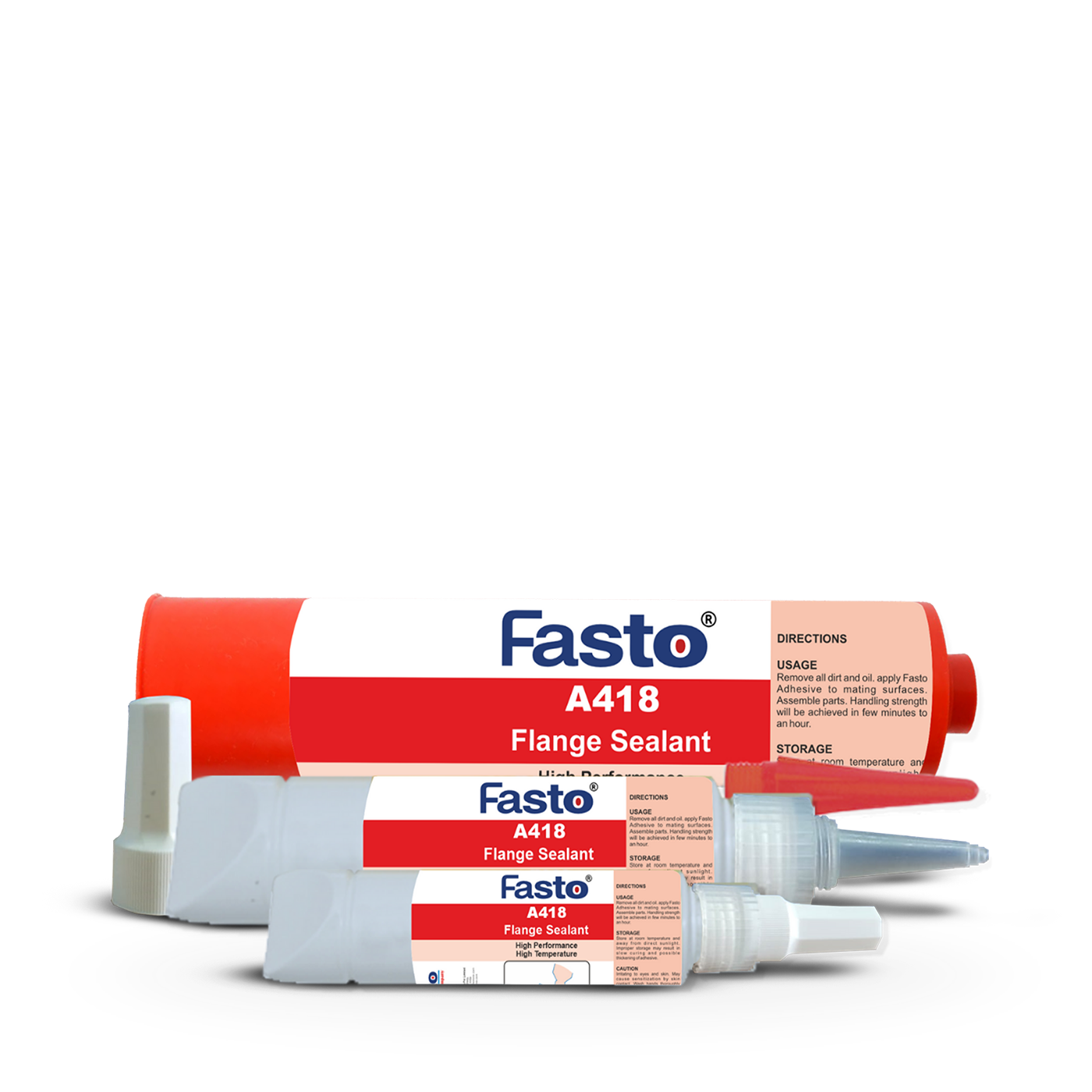
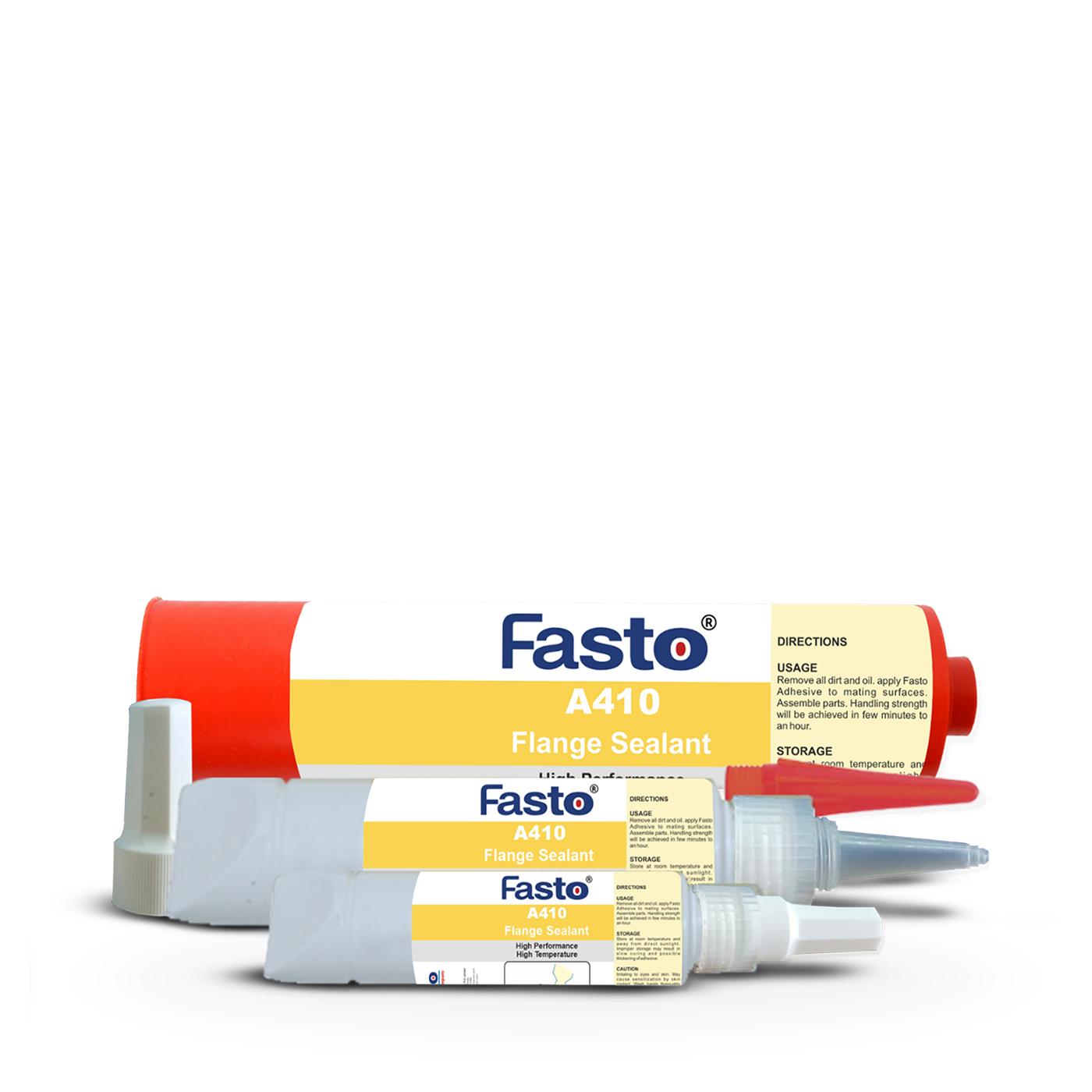
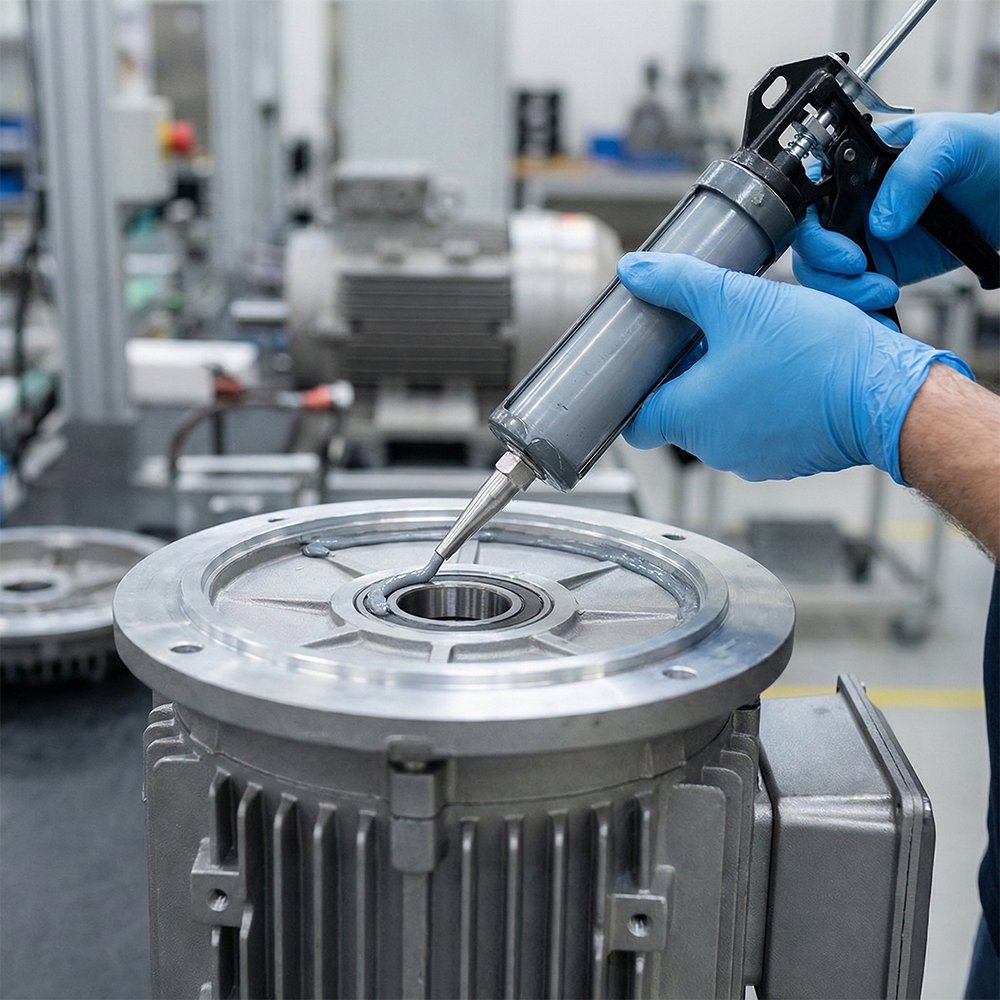
Flange sealants are commonly used for sealing rigid flange connections in:
Gearboxes,
Pumps,
Compressors,
Engines,
Hydraulic systems,
Industrial machinery,
Transmission housings,
Valve assemblies.
They help eliminate leakage while improving assembly reliability.
Flange sealants cure when confined between metal surfaces and deprived of oxygen. Once cured, they form a durable seal that fills gaps, prevents leakage, and resists vibration, pressure, and thermal cycling.
Traditional gaskets are pre-formed materials placed between mating surfaces, whereas flange sealants are liquid compounds that cure in place. Flange sealants conform to surface irregularities, reduce inventory requirements, and provide uniform sealing across the entire flange surface.
In many applications, flange sealants can replace conventional cut gaskets and gasket sheets. They are often used in rigid metal-to-metal flange assemblies where a reliable, leak-proof seal is required.
Flange sealants are commonly used on:
Steel,
Stainless Steel,
Cast Iron,
Aluminum,
Brass,
Machined Metal Components.
Compatibility may vary depending on the specific product grade and application.
Yes. Industrial flange sealants are designed to resist a wide range of fluids including:
Lubricating oils,
Hydraulic fluids,
Gear oils,
Coolants,
Fuels,
Water-based fluids.
Always verify compatibility for specific media and operating conditions.
Yes. Flange sealants provide excellent resistance to vibration, shock, and mechanical movement, helping maintain long-term sealing performance in dynamic operating environments.
Yes. Many anaerobic flange sealants are engineered to withstand high operating pressures while maintaining reliable sealing performance in industrial equipment and fluid handling systems.
Industrial-grade flange sealants are formulated to perform across a wide temperature range, making them suitable for automotive, manufacturing, power generation, and heavy engineering applications.
Flange sealants are widely used in:
Automotive Manufacturing,
Industrial Machinery,
Power Generation,
Oil & Gas,
Chemical Processing,
Heavy Engineering,
Hydraulic Equipment,
Process Industries
Yes. By sealing the interface between mating surfaces, flange sealants help prevent moisture ingress and reduce corrosion, oxidation, and surface degradation.
Cure times vary depending on the product formulation, substrate material, temperature, and flange design. Initial sealing may occur within a few hours, while full cure is typically achieved within 24 hours.
For optimal performance:
Clean both flange surfaces thoroughly,
Apply a continuous bead of sealant around the flange area,
Assemble the components immediately,
Tighten fasteners according to specifications,
Allow adequate curing time before full operation.
Key benefits include:
Leak-proof sealing,
Gasket replacement capability,
Excellent vibration resistance,
Resistance to oils and chemicals,
Corrosion protection,
High-pressure performance,
Reduced maintenance requirements,
Improved equipment reliability.
Yes. Most flange-sealed assemblies can be disassembled using standard maintenance procedures. The ease of removal depends on the sealant grade, flange size, and operating conditions.
The ideal flange sealant depends on:
Flange design,
Operating pressure,
Temperature range,
Fluid compatibility,
Gap size,
Maintenance requirements,
Equipment type.
Selecting the correct grade ensures long-term sealing performance and operational reliability.