
Paste Based Pipe Thread Sealant
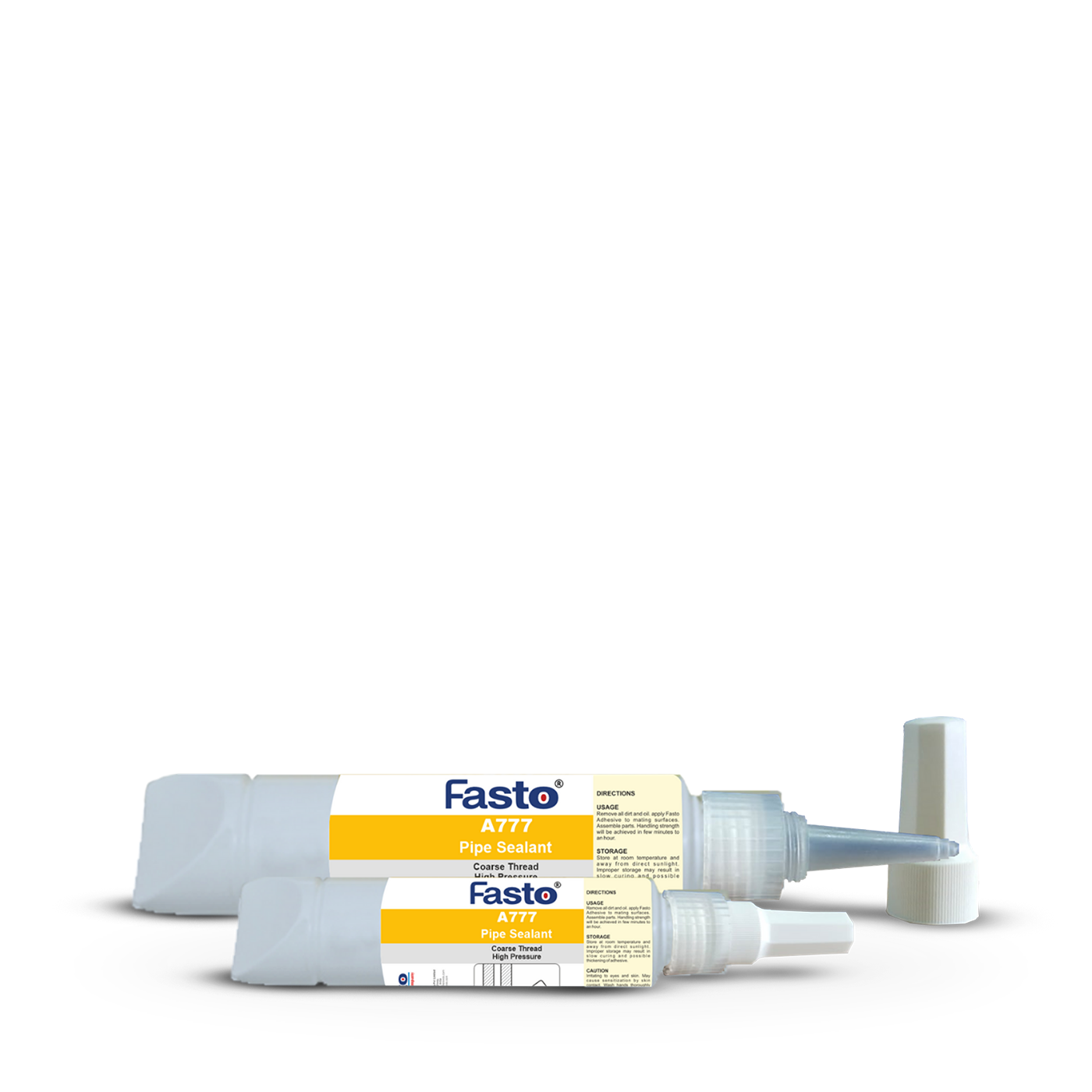
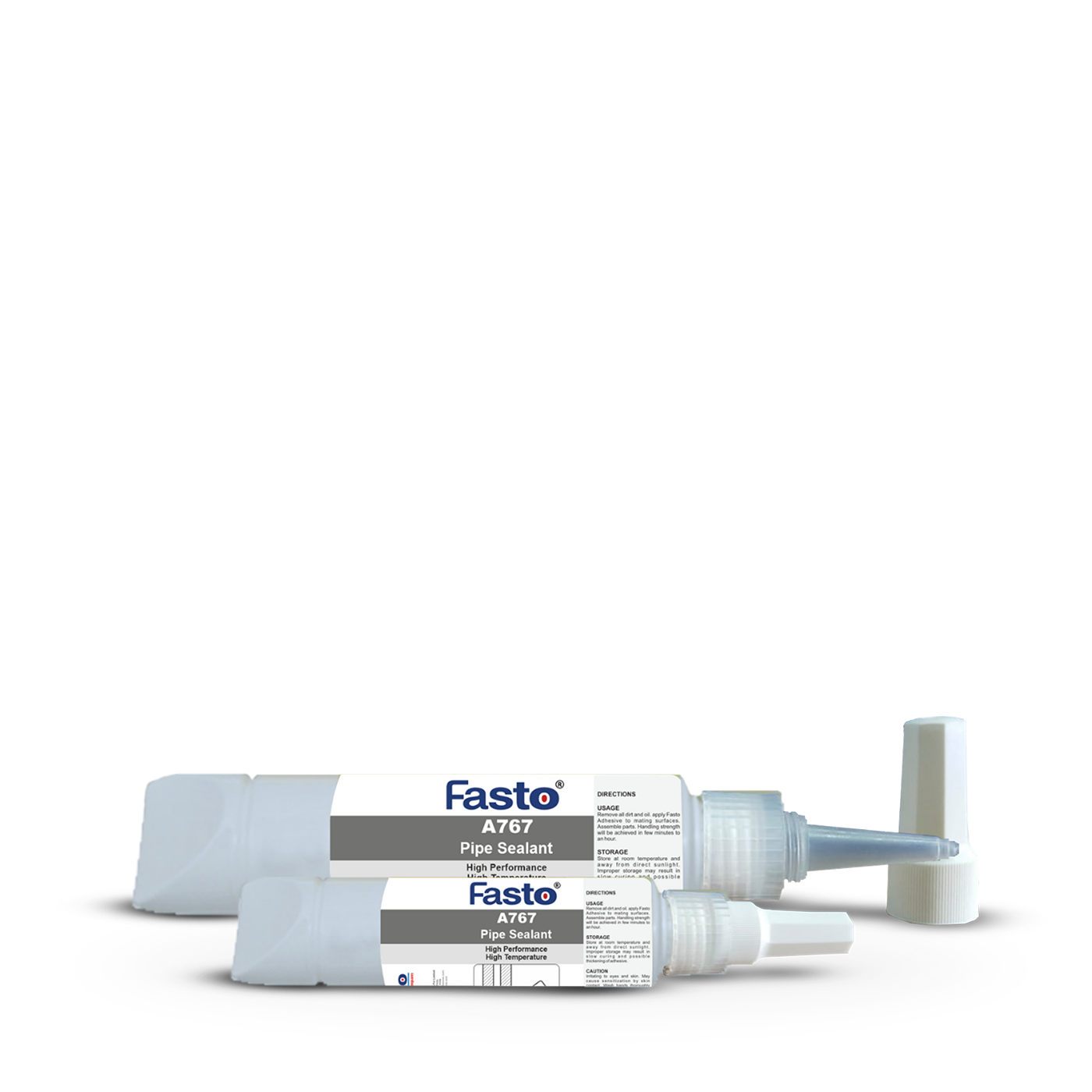
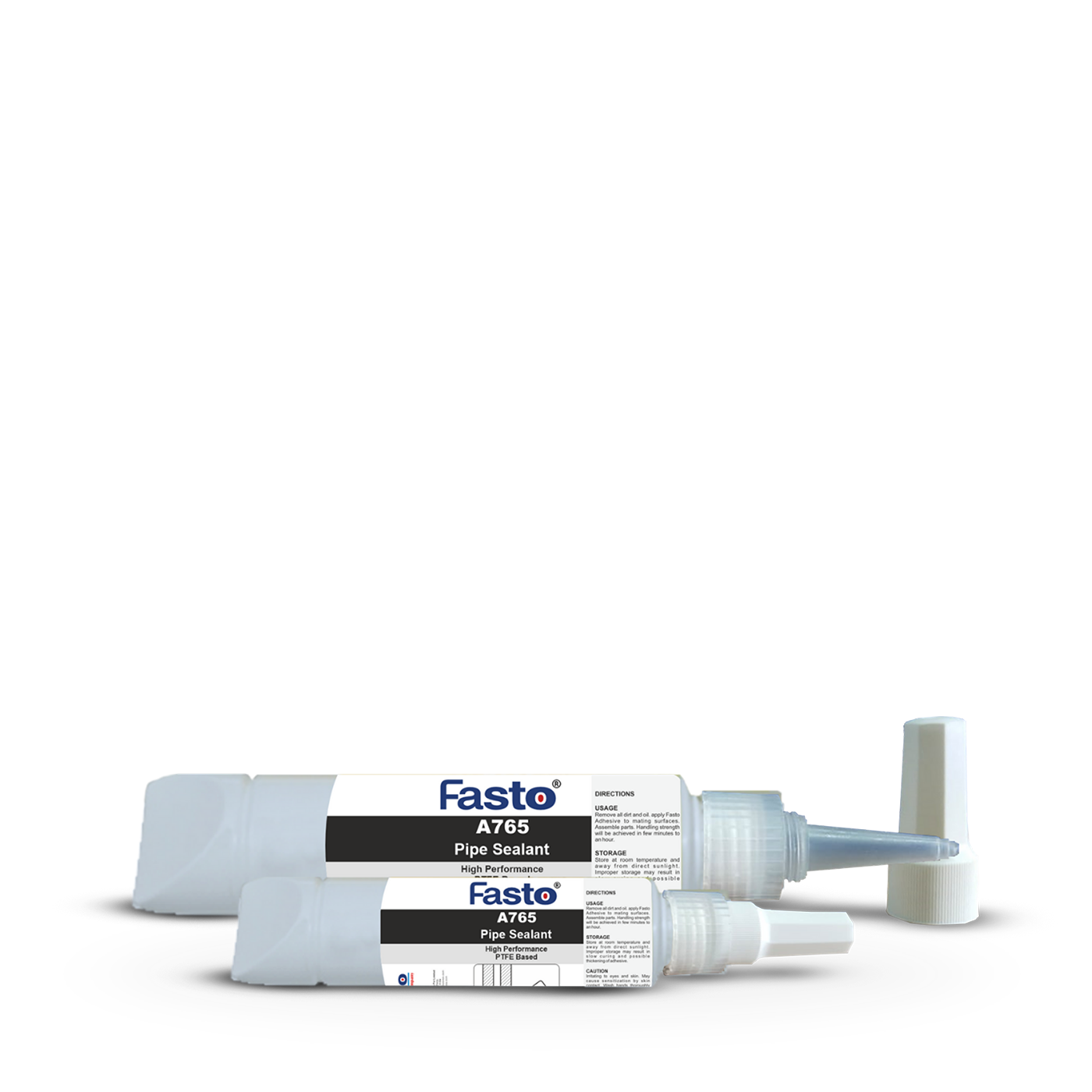
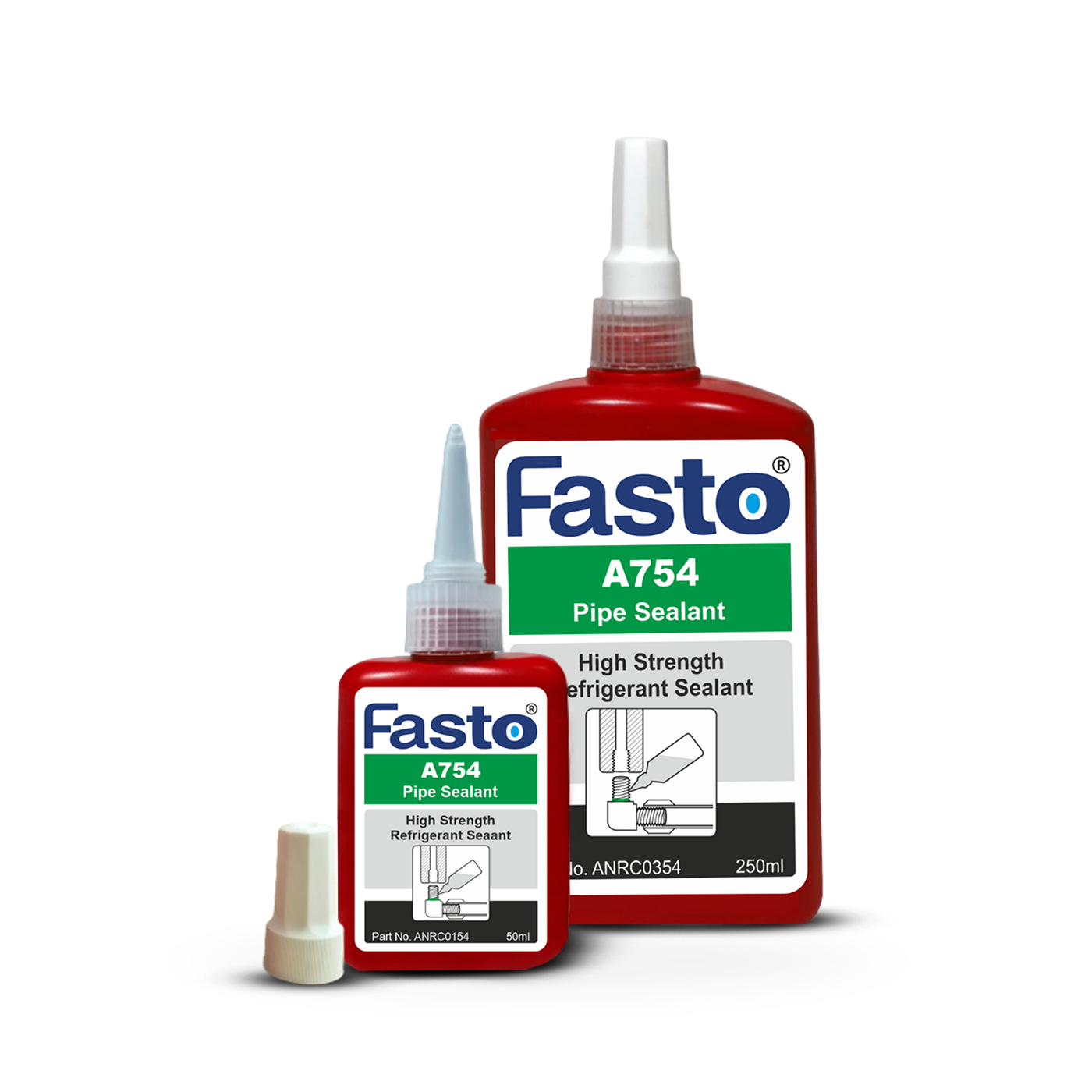
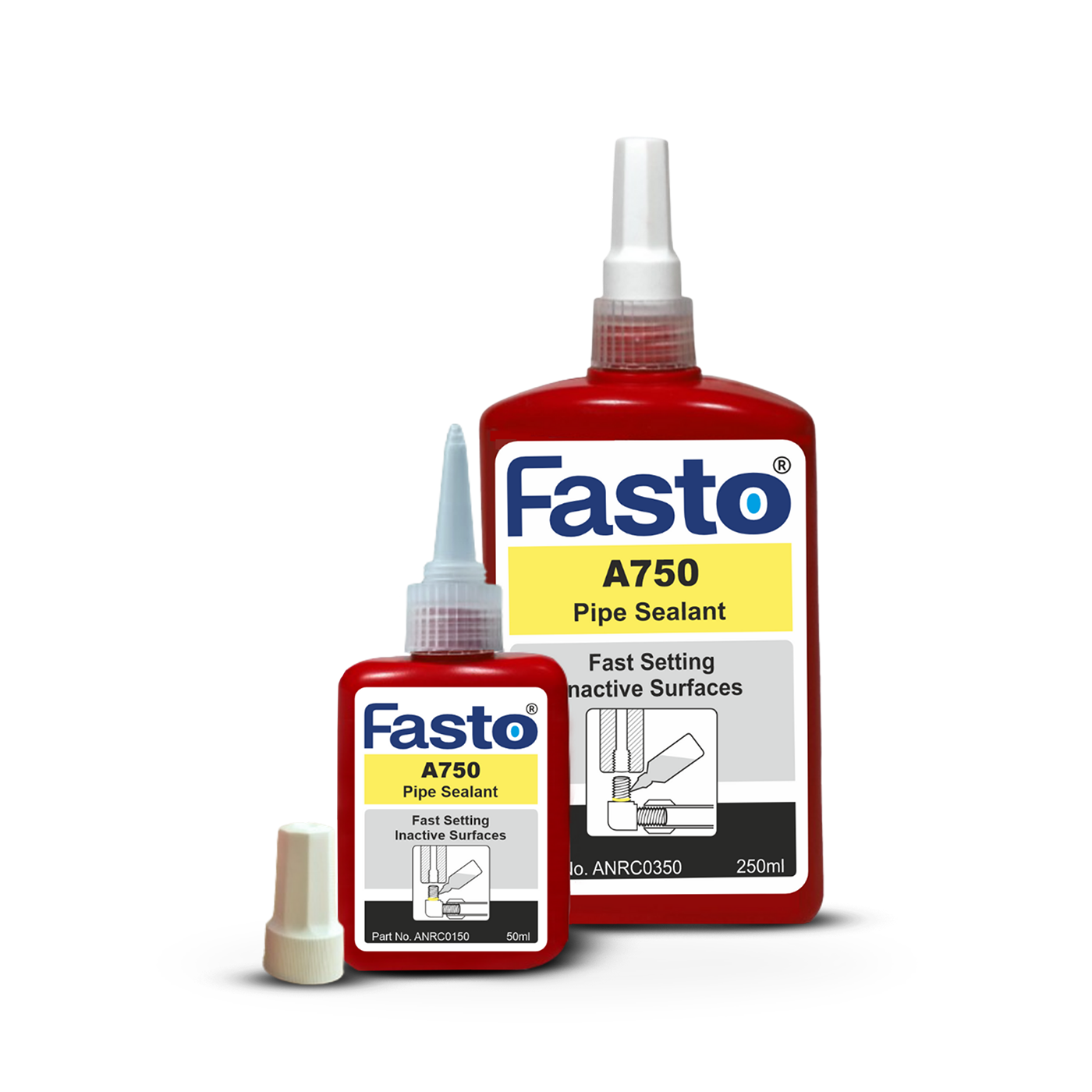
Anaerobic Pipe Thread Sealant

Industries Where Thread Sealants Can be Use

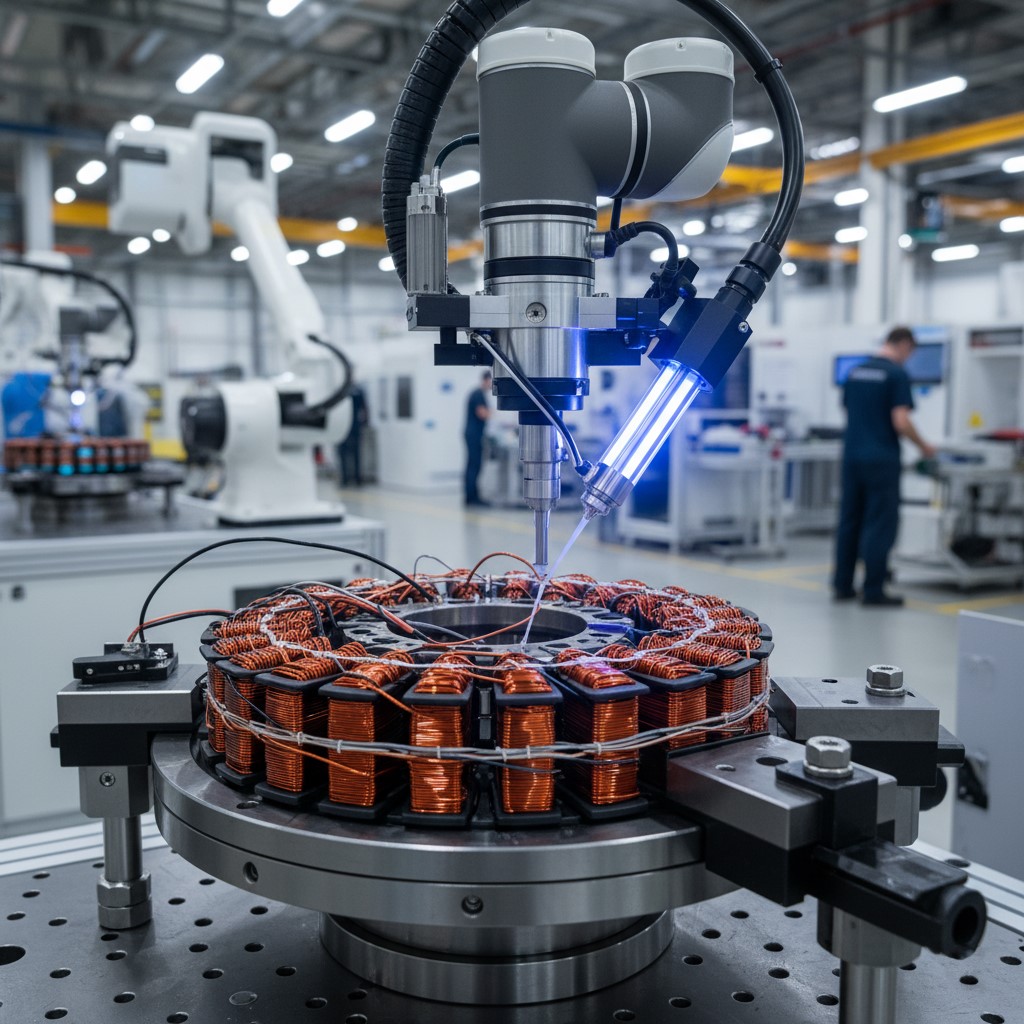

Thread sealants help protect critical threaded fittings used in solar equipment and support systems.
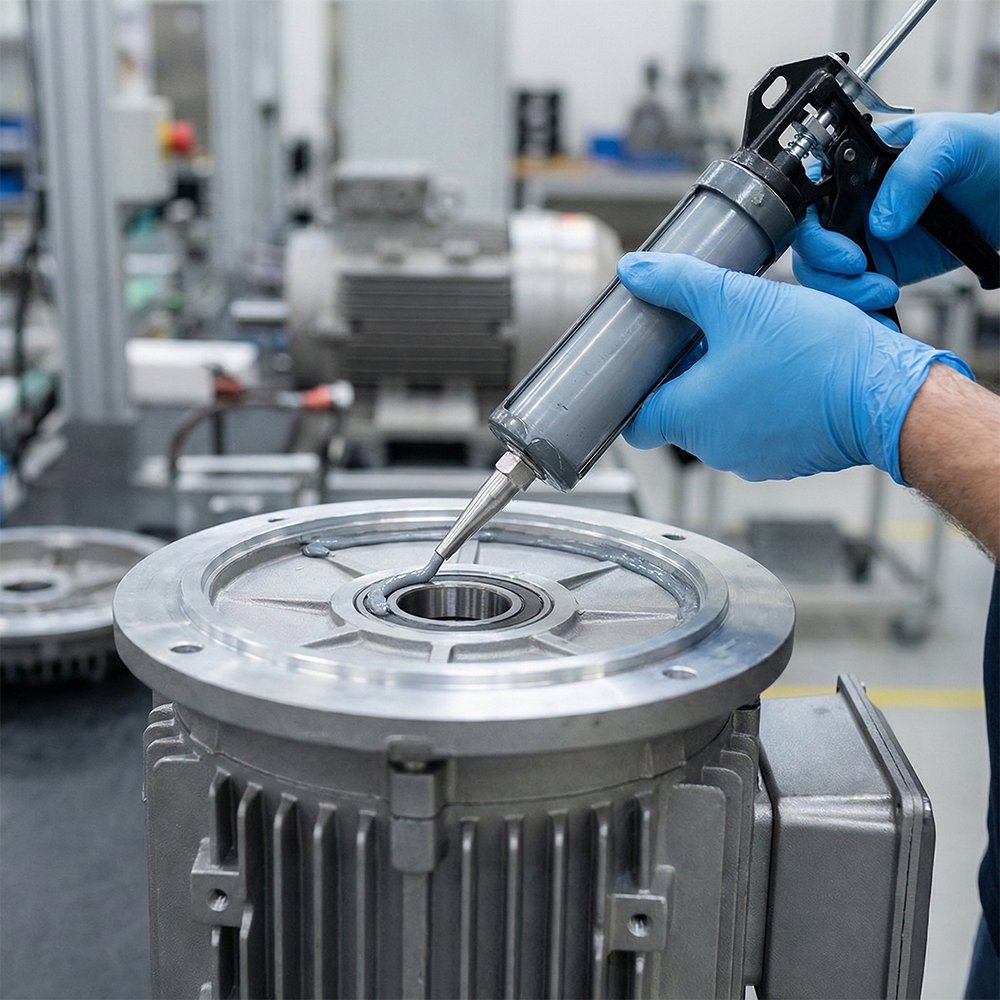
Industrial machinery relies on secure pipe connections and threaded fittings to ensure operational efficiency.
Thread sealants help maintain leak-free operation of critical transportation systems.
Agricultural equipment operates in demanding environments where vibration and pressure fluctuations are common.



Thread sealants are widely used in automotive production and maintenance operations.
Thread sealants help secure and seal threaded connections used in lighting systems and industrial enclosures.
Thread sealants improve reliability and leak prevention in appliance manufacturing.
Industries Where Thread Sealants Can be Use
Thread sealants help protect critical threaded fittings used in solar equipment and support systems.
Industrial machinery relies on secure pipe connections and threaded fittings to ensure operational efficiency.

Thread sealants help maintain leak-free operation of critical transportation systems.
Agricultural equipment operates in demanding environments where vibration and pressure fluctuations are common.
Thread sealants are widely used in automotive production and maintenance operations.
Thread sealants help secure and seal threaded connections used in lighting systems and industrial enclosures.
Thread sealants improve reliability and leak prevention in appliance manufacturing.
Key Features & Benefits
Leak-Proof Thread Sealing
Provides reliable sealing against liquids, gases, oils, fuels, and compressed air.
Replaces PTFE Tape
Eliminates the need for conventional PTFE tape and provides more consistent sealing performance.
Vibration Resistance
Maintains sealing integrity even under vibration, shock, and thermal cycling conditions.
Corrosion Protection
Protects threaded assemblies against moisture, chemicals, and environmental contaminants.
High Pressure Resistance
Suitable for demanding industrial systems operating under pressure.
Long-Term Reliability
Provides durable sealing performance throughout the service life of the assembly.
Thread Sealant Solutions
General Purpose Thread Sealant
Suitable for industrial pipe fittings and threaded connections.
Pipe Thread Sealant
Designed for sealing threaded pipes carrying liquids, gases, and compressed air.
PTFE Sealer Alternative
Provides superior sealing performance compared to conventional PTFE tape applications.
Hydraulic Thread Sealant
Engineered for hydraulic systems requiring reliable pressure-resistant sealing.
Industrial Thread Sealer
Developed for heavy-duty manufacturing and engineering applications.
Why Choose Fasto Thread Sealants?
Fasto provides industrial-grade thread sealant solutions trusted by manufacturers across Solar Energy, Industrial Machinery, Transportation, Agricultural Machinery, Automotive, LED Lighting, and Appliance industries.
Our thread sealants are engineered to deliver:
- Reliable leak prevention
- Excellent vibration resistance
- Corrosion protection
- Pressure-resistant sealing
- Reduced maintenance requirements
- Improved equipment reliability
- Consistent manufacturing quality
- Technical application support
- OEM and bulk supply capabilities
FAQs
A thread sealant is an anaerobic sealing compound designed to seal threaded metal pipe connections and fittings. It prevents the leakage of liquids and gases while also protecting threads from corrosion and vibration-induced loosening.
Thread sealants are used to seal threaded pipe joints and fittings in systems carrying:
- Water
- Air
- Natural Gas
- LPG
- Hydraulic Fluids
- Oils
- Chemicals
- Industrial Process Fluids
They help ensure leak-free and reliable connections.
Thread sealants fill the microscopic gaps between mating threads. Anaerobic thread sealants cure in the absence of air between metal surfaces, creating a durable seal that prevents fluid or gas leakage.
Thread sealants are primarily designed to prevent leakage in threaded pipe connections, while thread lockers are designed to secure threaded fasteners such as bolts and screws against loosening due to vibration.
Some thread sealants may also provide locking properties, but their primary purpose is leak prevention.
Thread sealants offer several advantages over PTFE tape:
- More reliable sealing performance
- Better vibration resistance
- Reduced risk of over-tightening
- Improved pressure resistance
- Enhanced corrosion protection
- Cleaner application without tape fragments
The best solution depends on the application requirements.
Yes. Industrial thread sealants are widely used in gas distribution systems and are designed to help prevent leakage of gases through threaded pipe connections when used according to specifications.
Thread sealants are commonly used on:
- Steel
- Stainless Steel
- Brass
- Copper
- Aluminum
- Iron Pipe Fittings
Material compatibility depends on the specific product formulation.
Yes. Thread sealants are frequently used in hydraulic systems to prevent fluid leakage and maintain system integrity under pressure.
Yes. Industrial-grade thread sealants are formulated to withstand high operating pressures in pneumatic, hydraulic, gas, and industrial process systems.
Many thread sealants offer excellent resistance to oils, fuels, hydraulic fluids, coolants, solvents, and industrial chemicals. Chemical compatibility should always be verified for specific applications.
Yes. By sealing the threaded connection, thread sealants help prevent moisture ingress and reduce corrosion, rust formation, and thread deterioration.
Yes. Thread sealants are widely used in plumbing systems, industrial water pipelines, pumps, valves, and fluid transfer equipment to prevent leaks.
Initial sealing performance may be achieved shortly after assembly, while full cure typically occurs within 24 hours depending on the product, substrate material, temperature, and joint size.
Yes. Thread sealants can be used on stainless steel fittings. Some applications may benefit from the use of primers or activators to enhance cure speed.
Thread sealants are commonly used in:
- Oil & Gas
- Chemical Processing
- Water Treatment
- HVAC Systems
- Automotive Manufacturing
- Hydraulic Equipment
- Pneumatic Systems
- Industrial Machinery
Key benefits include:
- Leak prevention
- Pressure resistance
- Chemical resistance
- Corrosion protection
- Vibration resistance
- Improved system reliability
- Reduced maintenance costs
Yes. Most thread-sealed assemblies can be disassembled using appropriate tools. Removal requirements depend on the sealant grade, thread size, and operating conditions.
For optimal performance:
- Clean the threads thoroughly.
- Apply the recommended amount of sealant.
- Assemble the threaded connection.
- Tighten according to specifications.
- Allow adequate curing time before pressurizing the system.
Selection depends on:
- Type of fluid or gas
- Operating pressure
- Temperature range
- Pipe material
- Chemical exposure
- Joint size
- Regulatory requirements
Using the correct grade ensures long-term sealing performance.
Yes. Fasto Adhesives offers high-performance thread sealants designed for leak prevention, corrosion protection, pressure resistance, and reliable sealing of threaded pipe connections across multiple industries.