

Cars
Adhesives & Sealants in Cars
- Structural bonding of body panels, roofs, doors, and trims
- Sealing of joints, seams, and underbody components
- Potting and encapsulation of ECUs, sensors, and control modules
- Sealing and protection against moisture, dust, fuels, and oils
- Thread locking and fastening reinforcement in critical assemblies
Bonding, Sealing & Protection for Automotive Assemblies
Modern cars contain body panels, trims, lighting systems, underbody components, electronic modules, sensors and mechanically fastened assemblies that require controlled bonding, sealing and protection.
Fasto's current Automotive documentation identifies structural bonding, joint and seam sealing, electronic protection, resistance to moisture and automotive fluids, and threadlocking as key applications for cars.
The appropriate adhesive or sealant depends on the component, substrate, joint geometry, temperature, chemical exposure, vibration and production or maintenance process.
- Body panel and trim bonding
- Joint, seam and underbody sealing
- ECU and sensor protection
- Moisture, dust, fuel and oil protection
- Fastener locking and reinforcement
- Rapid bonding of small components
Critical Adhesive & Sealant Applications in Cars
Fasto's current Automotive documentation covers bonding, sealing, electronic protection and fastening across vehicle assemblies.
Body Panel & Trim Bonding
Adhesives can support bonding of body panels, roofs, doors, trims and other vehicle components where controlled assembly and durable joining are required.
- Body panels
- Roof and door components
- Exterior trims
- Mixed-material assemblies
Joint, Seam & Underbody Sealing
Sealants help protect vehicle joints, seams, housings and underbody interfaces against leakage and environmental exposure.
- Seams and joints
- Underbody components
- Flanges and housings
- Moisture ingress control
ECU, Sensor & Control Module Protection
Suitable adhesives and sealants can be used for positioning, bonding and environmental protection of selected automotive electronic components.
- ECUs
- Sensors
- Control modules
- Electrical assemblies
Moisture, Fuel & Oil Protection
Automotive sealing systems should be selected for the fluids and contaminants present around the component, including oils, fuels, dust and moisture.
- Oil exposure
- Fuel exposure
- Dust and moisture
- Harsh underbody conditions
Threadlocking & Fastener Reinforcement
Threadlockers can secure suitable metal fasteners against loosening caused by vibration, shock and dynamic vehicle loads.
- Chassis fasteners
- Critical bolts
- Mounting assemblies
- Vibration resistance
Small Component & Precision Bonding
Fast-curing cyanoacrylate adhesives can support rapid bonding of selected close-fitting plastic, rubber, metal and small mechanical components.
- Clips and trims
- Small mechanical parts
- Plastic components
- Rubber-to-metal assemblies
Fasto Solutions for Car Applications
Fasto's current Automotive page specifically recommends A170, CA95 and S985 for Cars.
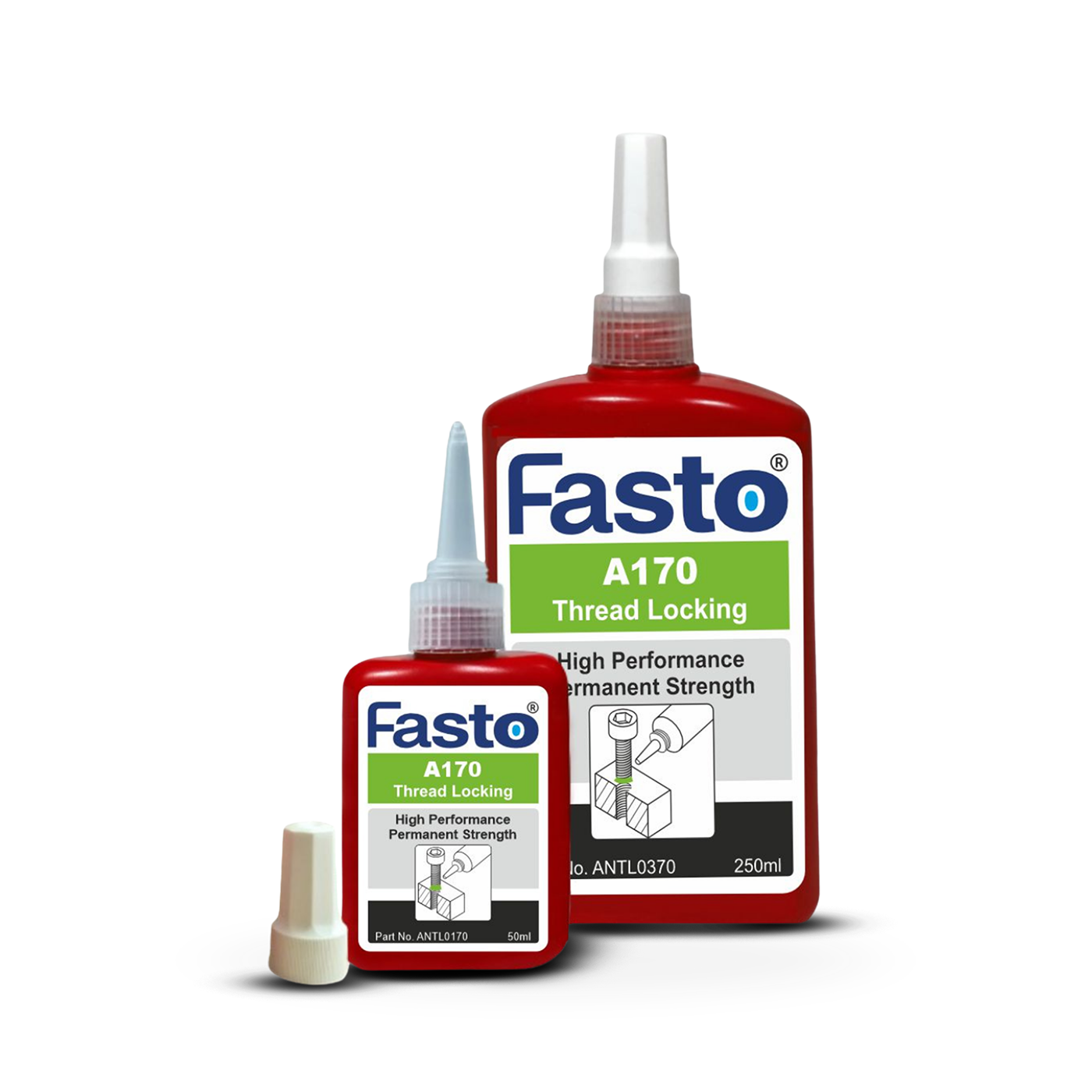
Fasto A170
High-strength permanent anaerobic threadlocker for suitable medium-to-coarse threaded fasteners where resistance to vibration-induced loosening and long-term retention are required.
View Product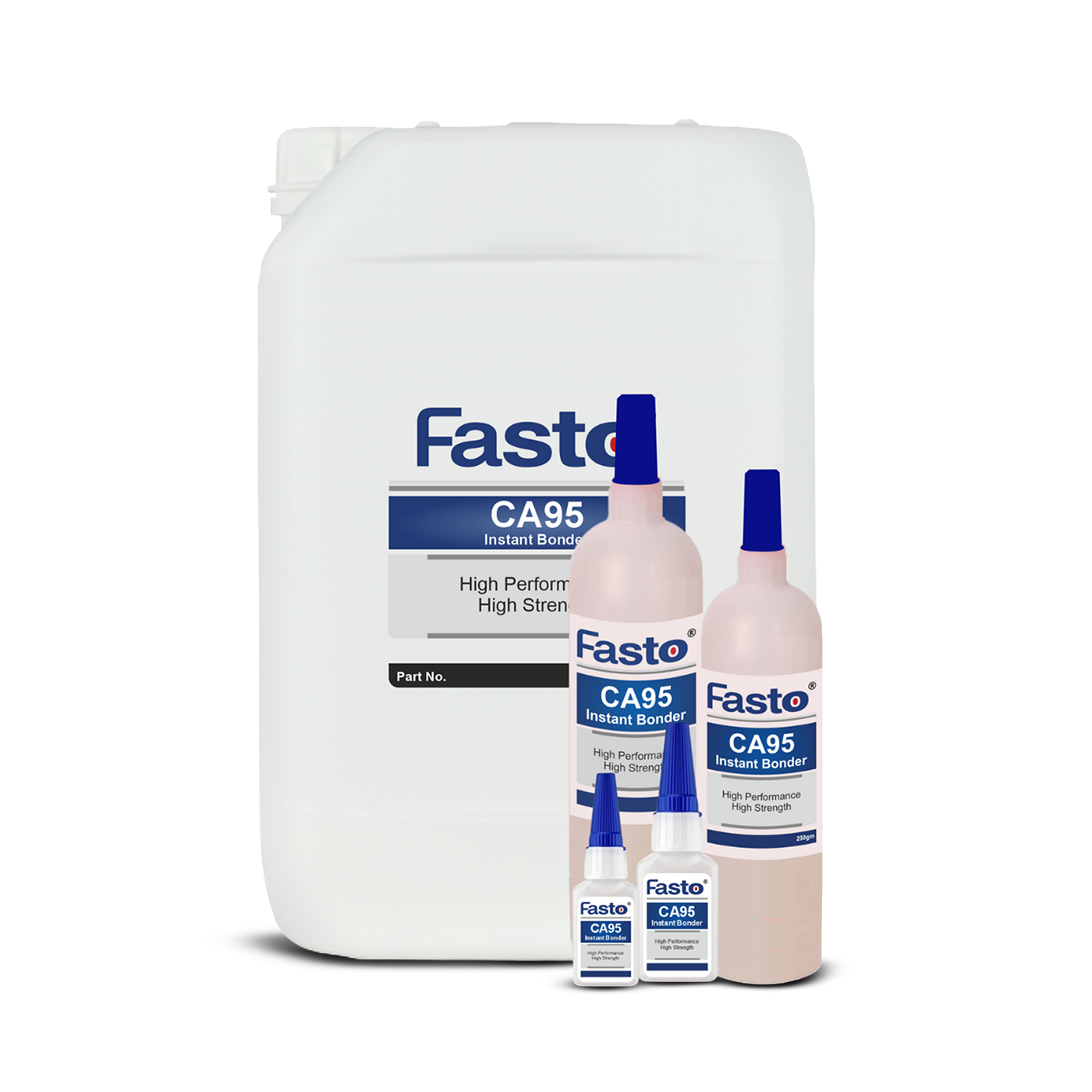
Fasto CA95
Very fast-curing, high-strength cyanoacrylate for close-fitting plastic, rubber, metal and other suitable automotive components and precision assemblies.
View Product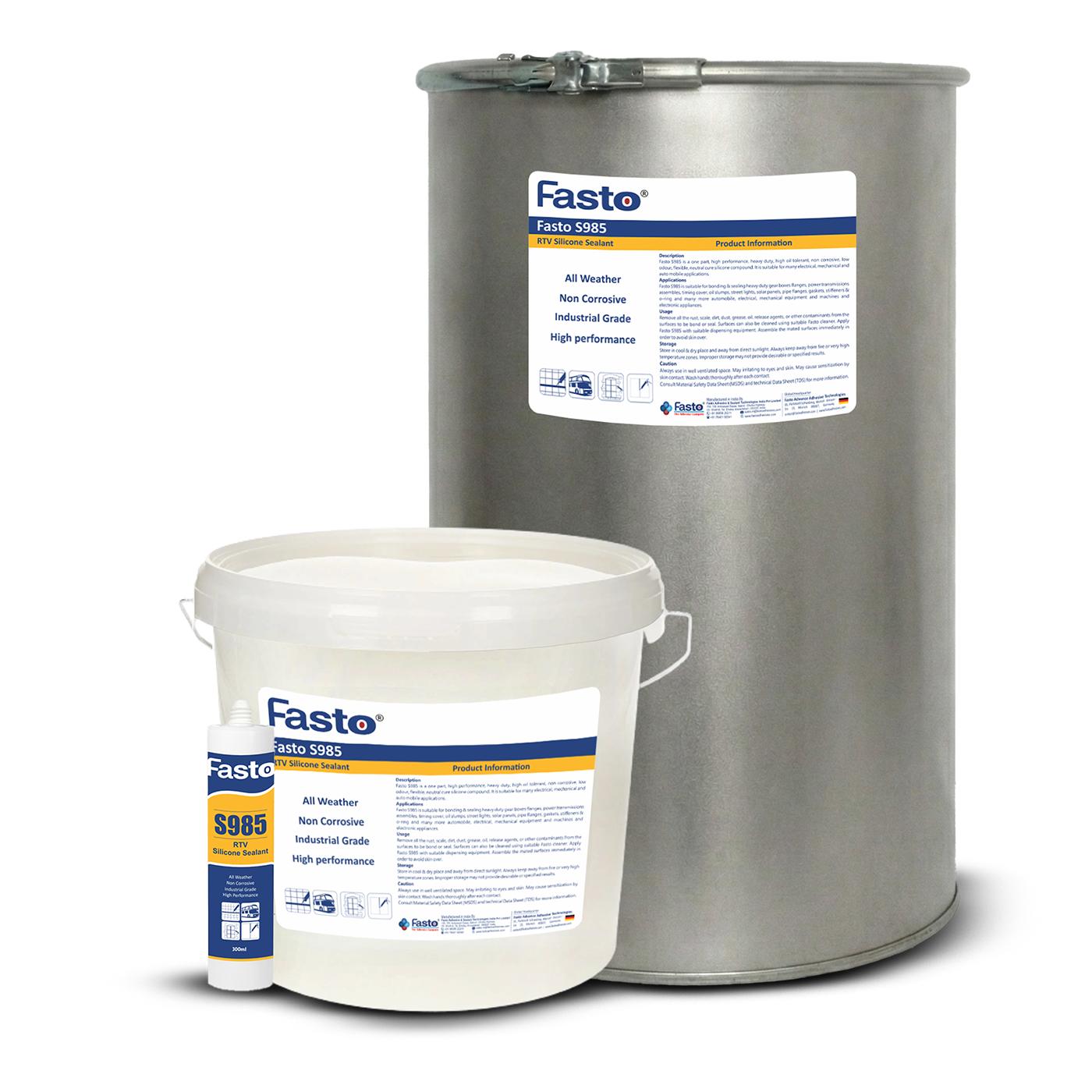
Fasto S985
One-part heavy-duty RTV silicone sealant with neutral cure, high oil tolerance and durable sealing performance for demanding automotive joints and housings.
View ProductCar Application to Fasto Product Mapping
Initial mapping follows Fasto's current Cars listing and the documented product application areas. Final selection should be validated against the actual assembly and operating conditions.
| Car Application | Primary Function | Fasto Product |
|---|---|---|
| Critical Fasteners | Permanent vibration-resistant locking | A170 |
| Body / Trim Components | Rapid component bonding | CA95 |
| Mechanical Joints & Housings | Leak-resistant sealing | S985 |
| Underbody & Fluid-Exposed Joints | Moisture, oil and contaminant protection | S985 |
| Small Precision Assemblies | Fast positioning and bonding | CA95 |
| Critical Fastener + Sealing Systems | Fastening and joint protection | A170 |
What Matters in Automotive Adhesive & Sealant Selection?
Vibration & Dynamic Loads
Vehicle assemblies experience continuous vibration, road shock and dynamic loading, making joint and fastener integrity important.
Oil, Fuel & Chemicals
Selected automotive joints may encounter oils, fuels, coolants, cleaning agents and other chemicals, so compatibility should be checked.
Moisture & Contaminants
Underbody and electronic assemblies may require protection from water, dust, dirt and other environmental contaminants.
Temperature & Thermal Cycling
Engine-adjacent and exterior assemblies can experience repeated temperature changes, requiring suitable temperature and ageing performance.
How to Select the Right Automotive Adhesive or Sealant
Selection should consider the component, substrate, operating environment and manufacturing or maintenance process.
01. Component
- Body panels and trims
- Seams and underbody joints
- Electronic modules
- Critical fasteners
02. Substrate
- Steel and aluminium
- Plastics
- Rubber and elastomers
- Composite materials
03. Fluid Exposure
- Engine oils
- Fuels
- Coolants
- Cleaning fluids
04. Environment
- Moisture
- Dust and dirt
- Road chemicals
- Outdoor exposure
05. Mechanical Conditions
- Vibration
- Impact and shock
- Thermal cycling
- Fastener loading
06. Production Process
- Surface preparation
- Dispensing method
- Assembly sequence
- Cure / fixture time
Applying Adhesives & Sealants in Car Manufacturing
The exact process depends on the selected product, component and joint design.
Surface Preparation
Clean bonding, sealing or threaded surfaces and remove oil, grease, dust and other contaminants according to the product requirements.
Controlled Application
Apply the selected adhesive or sealant in the defined bead, bond line or thread area using the specified dispensing method.
Assembly
Position components or tighten fasteners within the required assembly window and according to the production specification.
Cure & Validation
Allow the material to achieve the required handling or cure condition, then validate bond, sealing and fastening performance.