Adhesives and sealants play a vital role in automotive manufacturing by improving vehicle strength, reducing weight, preventing leaks, minimizing vibration, and protecting components from harsh operating conditions. They help enhance vehicle safety, performance, and durability.
Automotive manufacturers commonly use:
Structural Adhesives,
Thread Lockers,
Thread Sealants,
Retaining Adhesives,
Flange Sealants,
RTV Silicone Sealants,
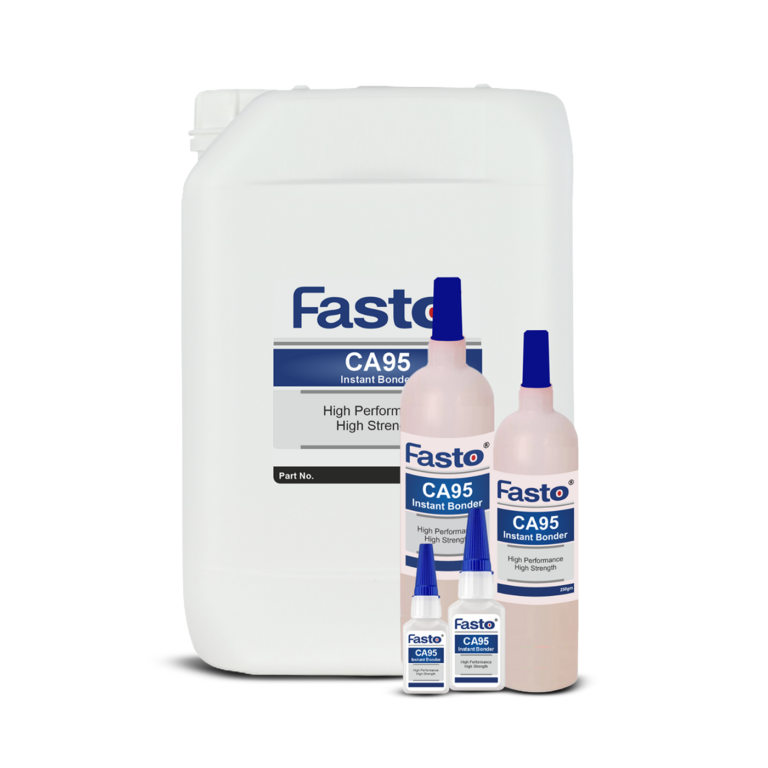
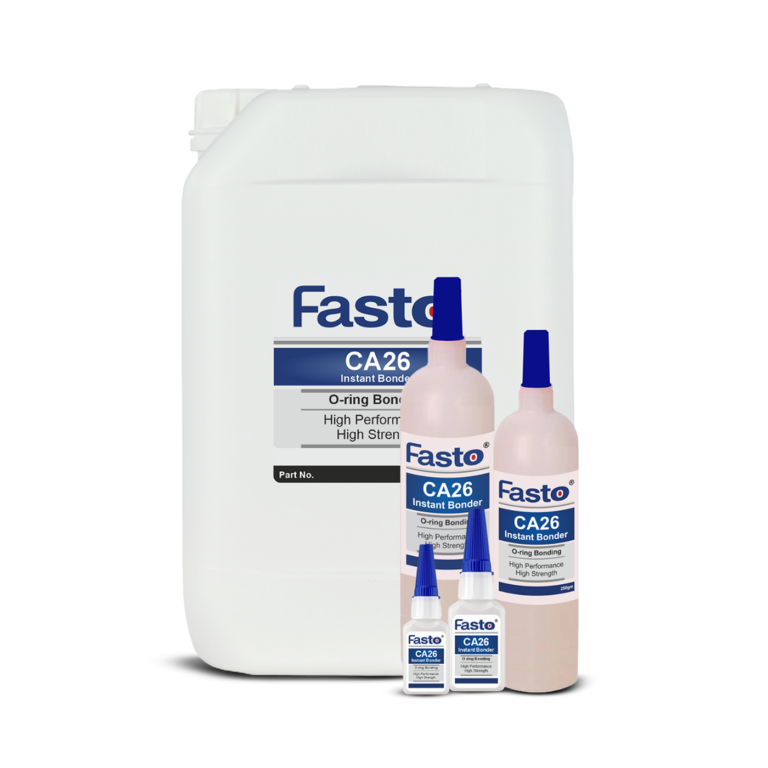
Cyanoacrylate Adhesives,
UV Adhesives,
Potting Compounds,
Thermal Management Materials.
These solutions support vehicle assembly, component bonding, sealing, fastening, and protection.
Structural adhesives are used to bond metal, composite, and plastic components throughout the vehicle. They provide high-strength bonding, improve crash performance, reduce vehicle weight, and help distribute loads more evenly than traditional fastening methods.
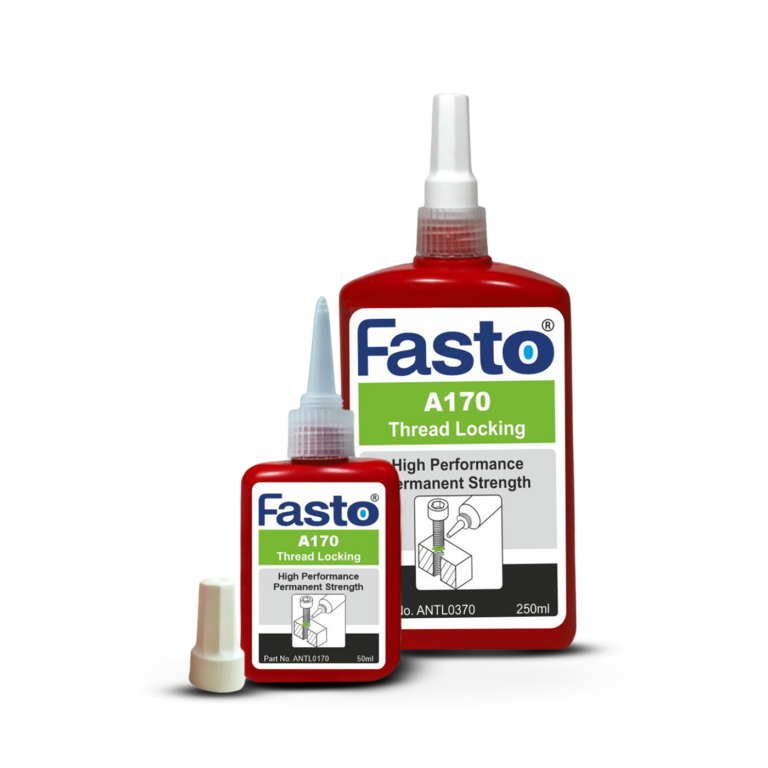
Thread lockers prevent bolts, nuts, and threaded fasteners from loosening due to vibration, thermal cycling, and dynamic loads. They improve reliability and help maintain critical vehicle assemblies over time.
Retaining adhesives are used to secure bearings, gears, bushings, shafts, pulleys, and cylindrical components. They improve load distribution, reduce wear, and enhance long-term assembly performance.
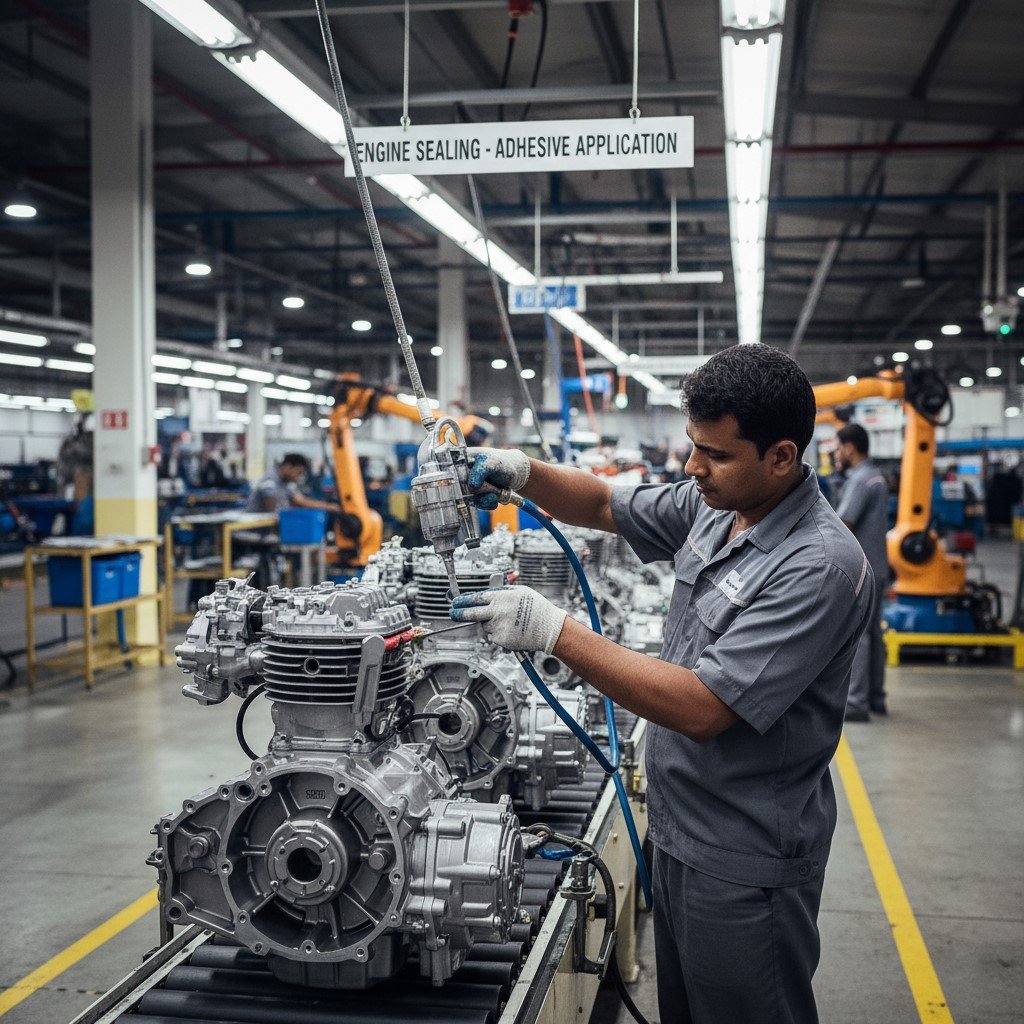
Flange sealants provide leak-proof sealing in engines, transmissions, gearboxes, water pumps, and other automotive assemblies. They help prevent fluid leakage while replacing or supplementing conventional gaskets.
Thread sealants are used to seal threaded fittings and connections in fuel systems, lubrication systems, hydraulic systems, cooling circuits, and pneumatic components to prevent leakage and corrosion.
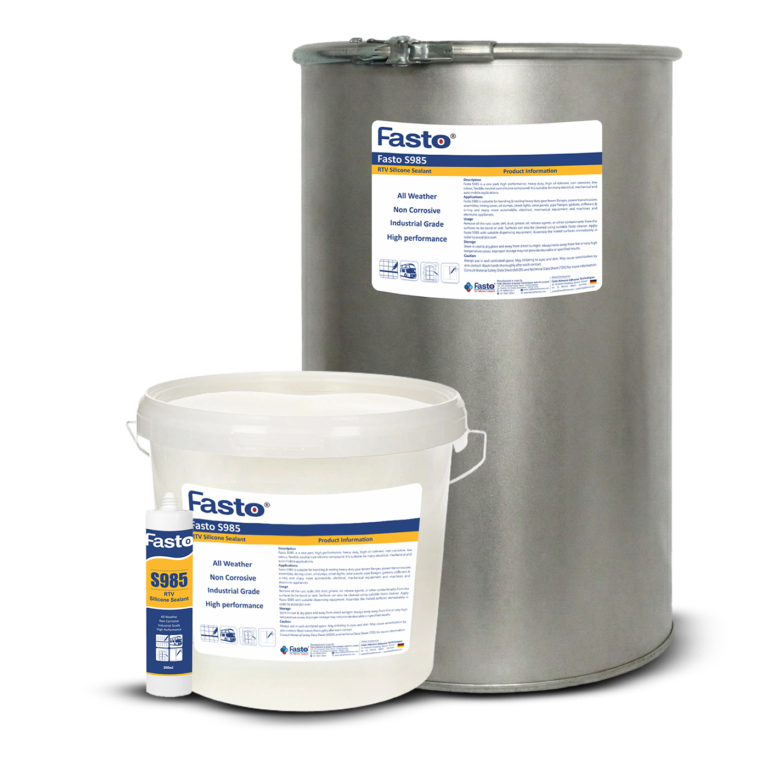
RTV silicone sealants provide flexible sealing, gasket making, weather resistance, electrical insulation, and protection against moisture, oils, and temperature fluctuations. They are widely used throughout automotive assemblies.
Yes. Electric vehicles rely heavily on adhesives and sealants for battery pack assembly, thermal management, electronic protection, lightweight structural bonding, sensor integration, and enclosure sealing.
Adhesives allow manufacturers to reduce the use of mechanical fasteners and join lightweight materials efficiently. Lower vehicle weight contributes to improved fuel economy, increased driving range, and reduced emissions.
Yes. Automotive-grade adhesives are designed to withstand continuous vibration, road shock, impact loads, and demanding operating conditions while maintaining bond strength and sealing performance.
Yes. Many automotive adhesive formulations are engineered to perform under high engine temperatures, low ambient temperatures, and repeated thermal cycling.
Adhesives and Sealants are commonly used in:
Engines,
Transmissions,
Lighting Systems,
Interior Components,
Body Panels,
Battery Packs,
Sensors,
Electronic Control Units,
HVAC Systems,
Fuel Systems.
Adhesives help improve safety by securing critical components, enhancing structural integrity, reducing stress concentrations, protecting electronics, and preventing fastener loosening in demanding driving conditions.
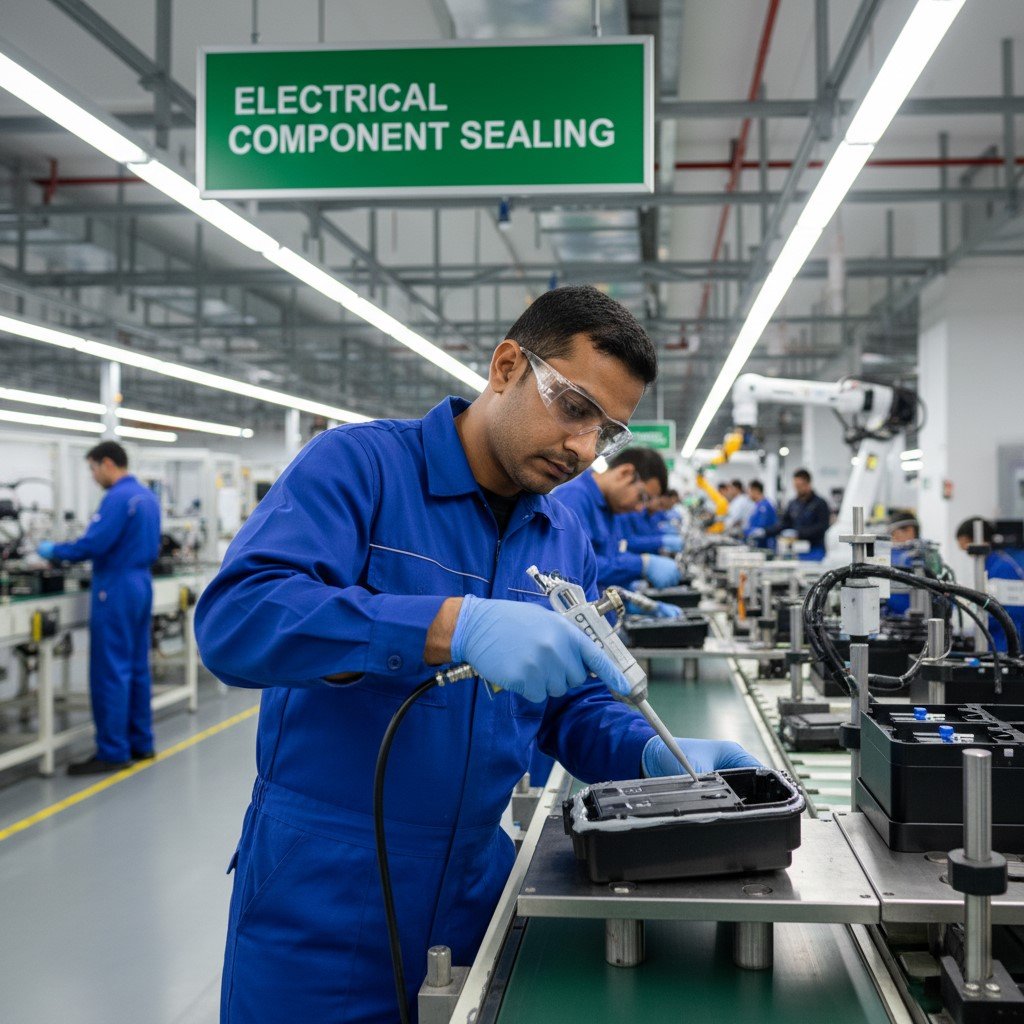
Yes. Adhesives and sealants protect electronic modules from moisture, vibration, dust, corrosion, and thermal stress. They are widely used in sensors, control units, displays, lighting systems, and battery management systems.
Key benefits include:
Weight Reduction,
Improved Structural Strength,
Vibration Resistance,
Leak Prevention,
Corrosion Protection,
Enhanced Durability,
Faster Assembly Processes,
Improved Vehicle Performance.
Yes. Many automotive-grade adhesives and sealants are formulated to resist exposure to fuels, lubricants, coolants, hydraulic fluids, road chemicals, and cleaning agents.
Far far away, behind the word mountains, far from the countries Vokalia and Consonantia, there live the blind texts. Separated they live in Bookmarksgrove right at the coast
Yes. Adhesives and sealants are widely used in automotive maintenance, repair, and overhaul (MRO) operations for sealing, fastening, bonding, and component restoration.
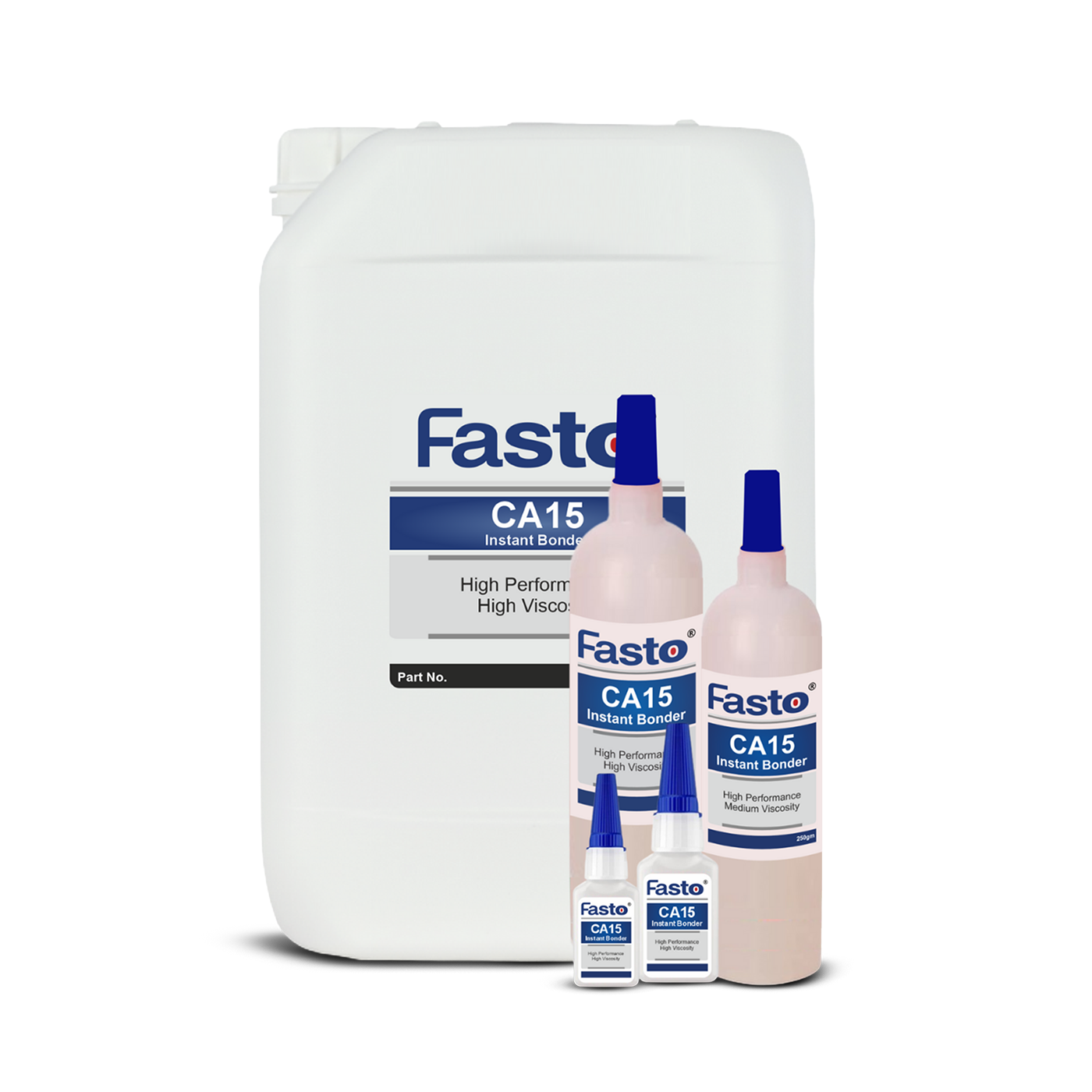
Yes. Fasto Adhesives offers a comprehensive range of structural adhesives, thread lockers, retaining compounds, flange sealants, thread sealants, RTV silicone sealants, thermal management materials, and specialty bonding solutions designed for automotive manufacturing and maintenance.