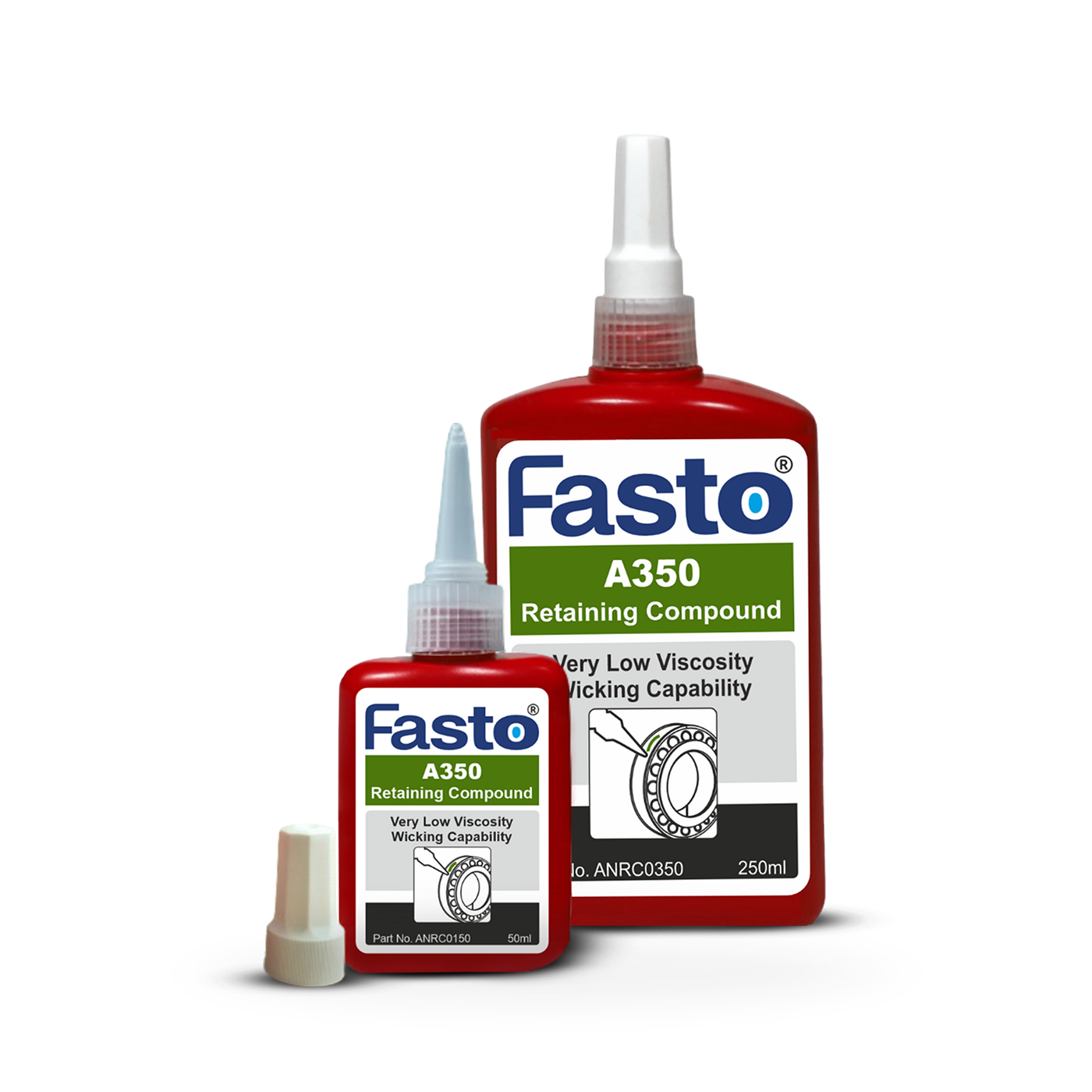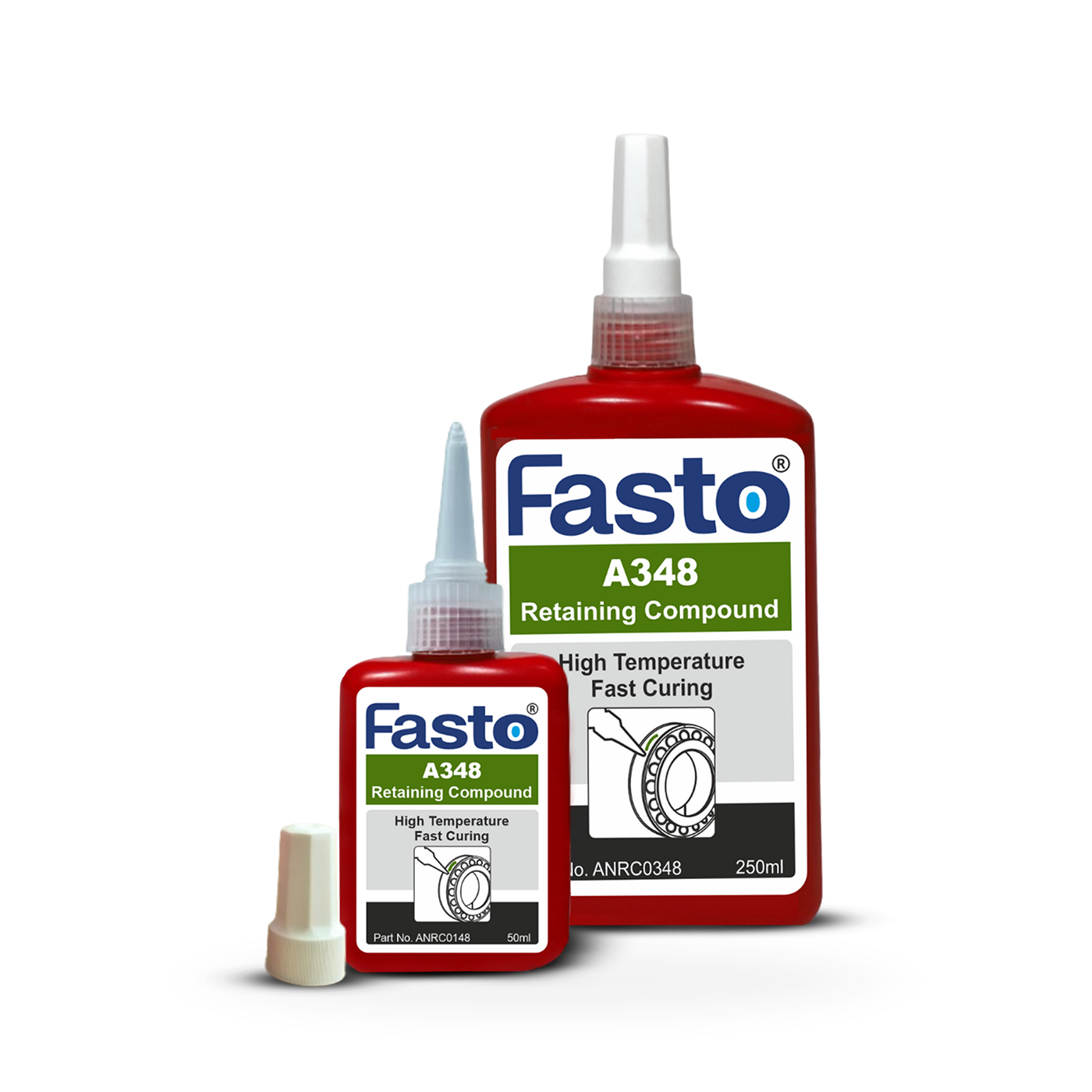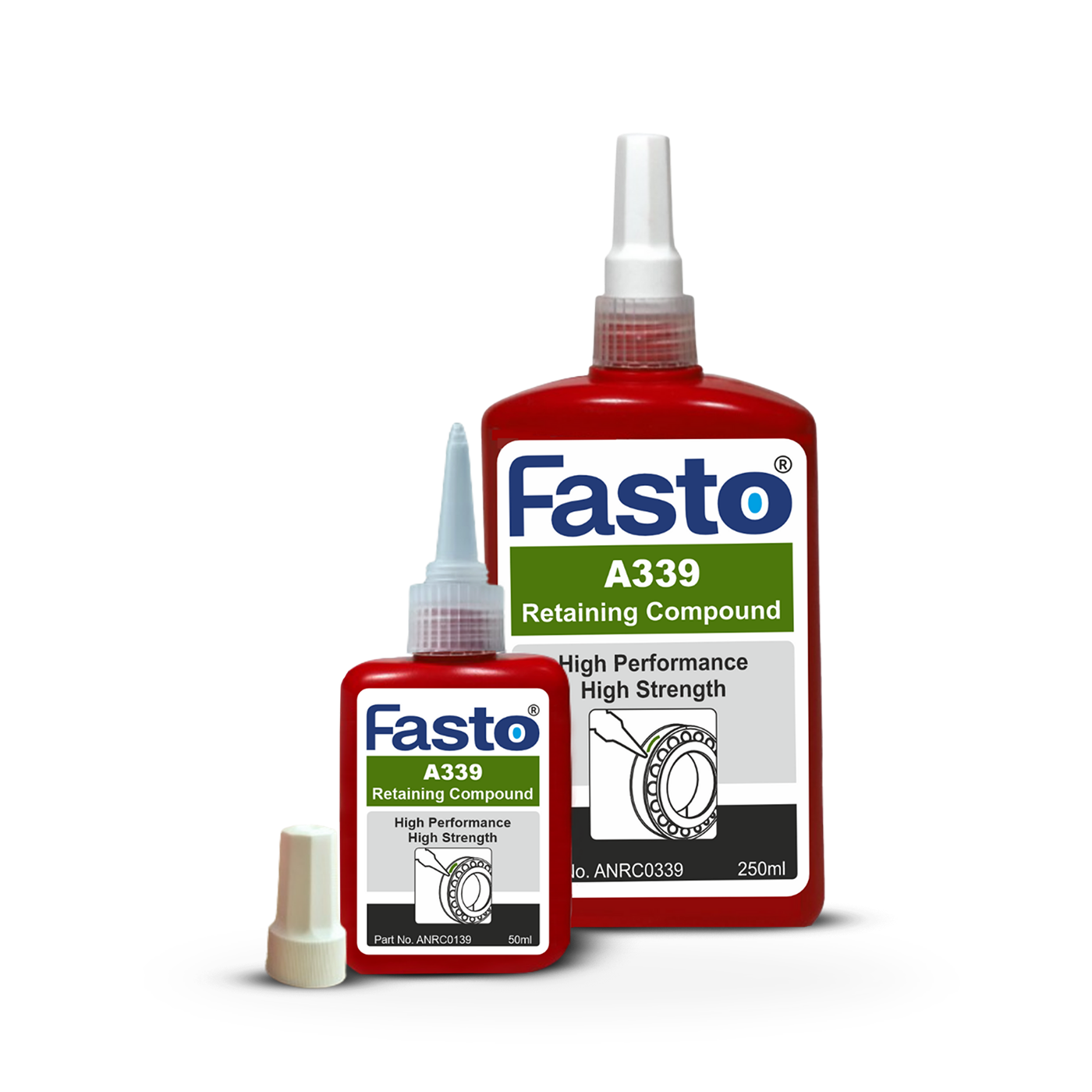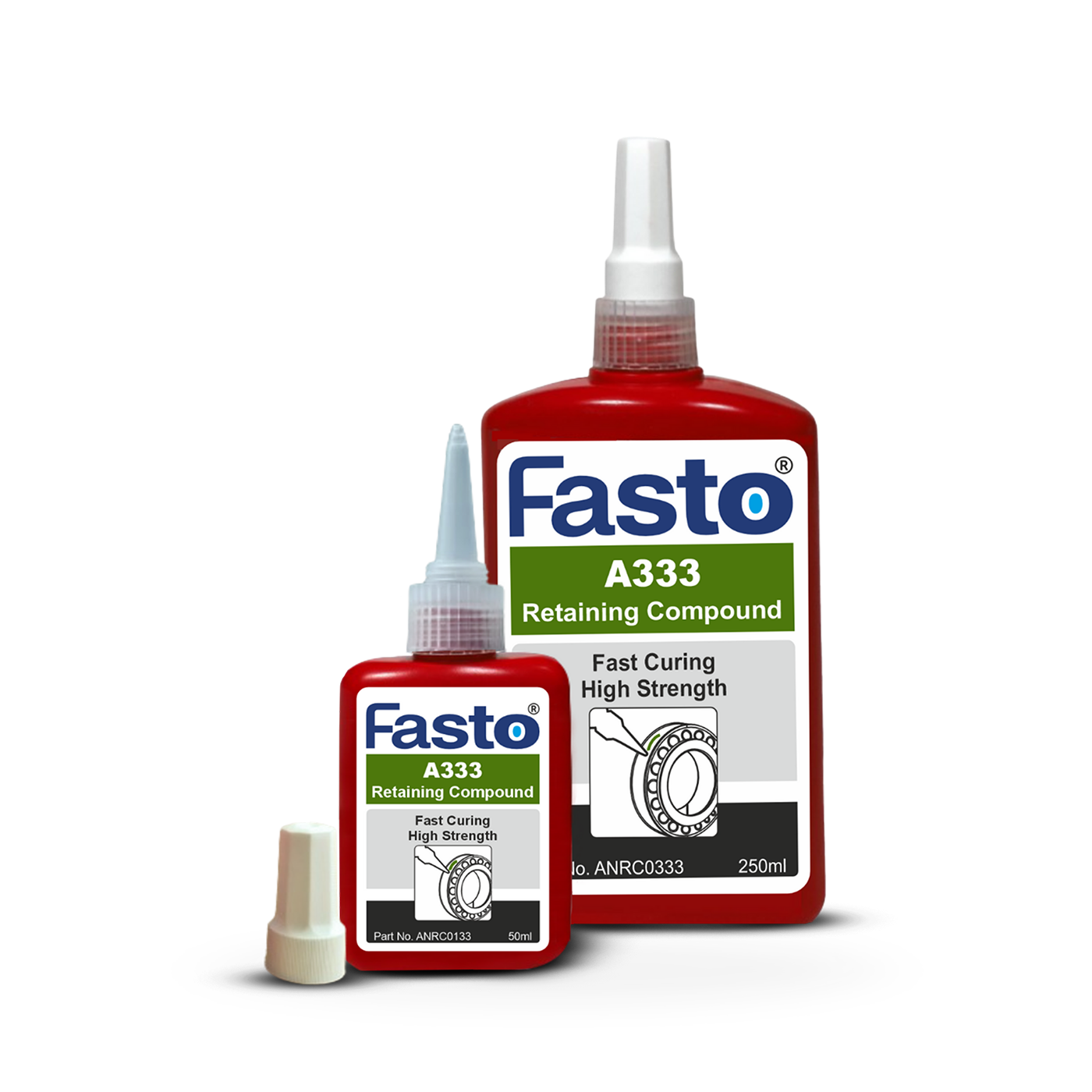
Retaining Adhesives
Retaining Adhesives

Retaining Adhesives for Bearing Mounting, Shaft Assembly & Cylindrical Part Retention

Fasto Retaining Adhesives are high-performance anaerobic bonding compounds designed to secure cylindrical metal assemblies such as bearings, bushings, sleeves, gears, pulleys, rotors, and shafts. Also known as retaining compounds, bearing retaining compounds, or shaft retaining adhesives, these products cure in the absence of air between closely fitted metal surfaces to create a strong and durable bond.

Retaining adhesives are widely used across Industrial Machinery, Transportation, Agricultural Machinery, Automotive Manufacturing, Solar Equipment, LED Equipment, Appliances, and General Engineering industries where reliable cylindrical assembly retention is critical.

Whether you need to secure bearings on shafts, retain bushings within housings, or prevent fretting corrosion in rotating assemblies, Fasto Retaining Adhesives provide dependable performance and long-term reliability.

What Are Retaining Adhesives?

Retaining adhesives are anaerobic compounds specifically formulated to bond and retain cylindrical metal parts. When applied between mating metal components, the adhesive cures to create a high-strength bond that distributes load evenly across the assembly.

Unlike mechanical locking methods such as press fits, keys, splines, and interference fits, retaining compounds fill microscopic gaps between components, improving load distribution and increasing assembly strength.

Fasto Retaining Adhesives offer:

Industries Where Retaining Adhesives Can be Use

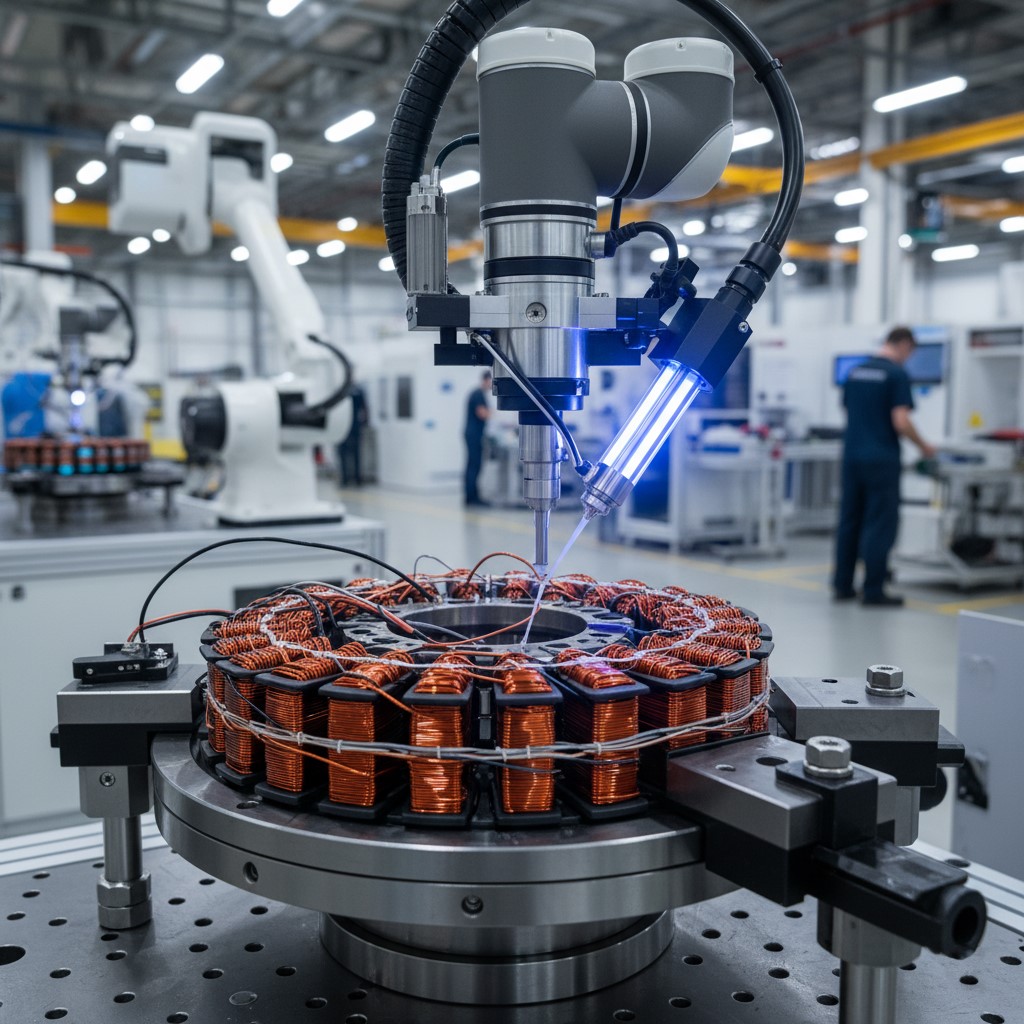
Retaining compounds help secure rotating and structural components used in solar manufacturing equipment and energy systems.

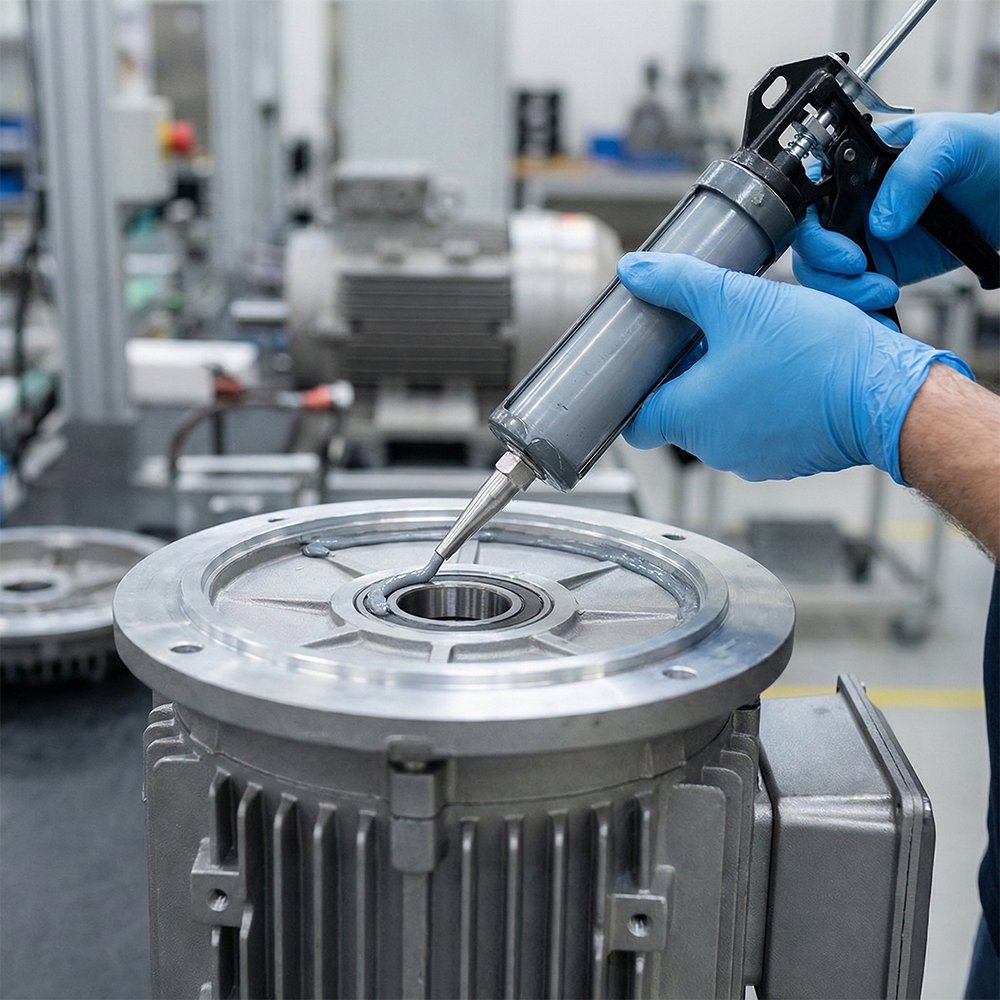
Industrial equipment relies on securely mounted bearings, gears, and cylindrical components for reliable operation.

Transportation equipment operates under continuous vibration and dynamic loading conditions requiring dependable retention systems.

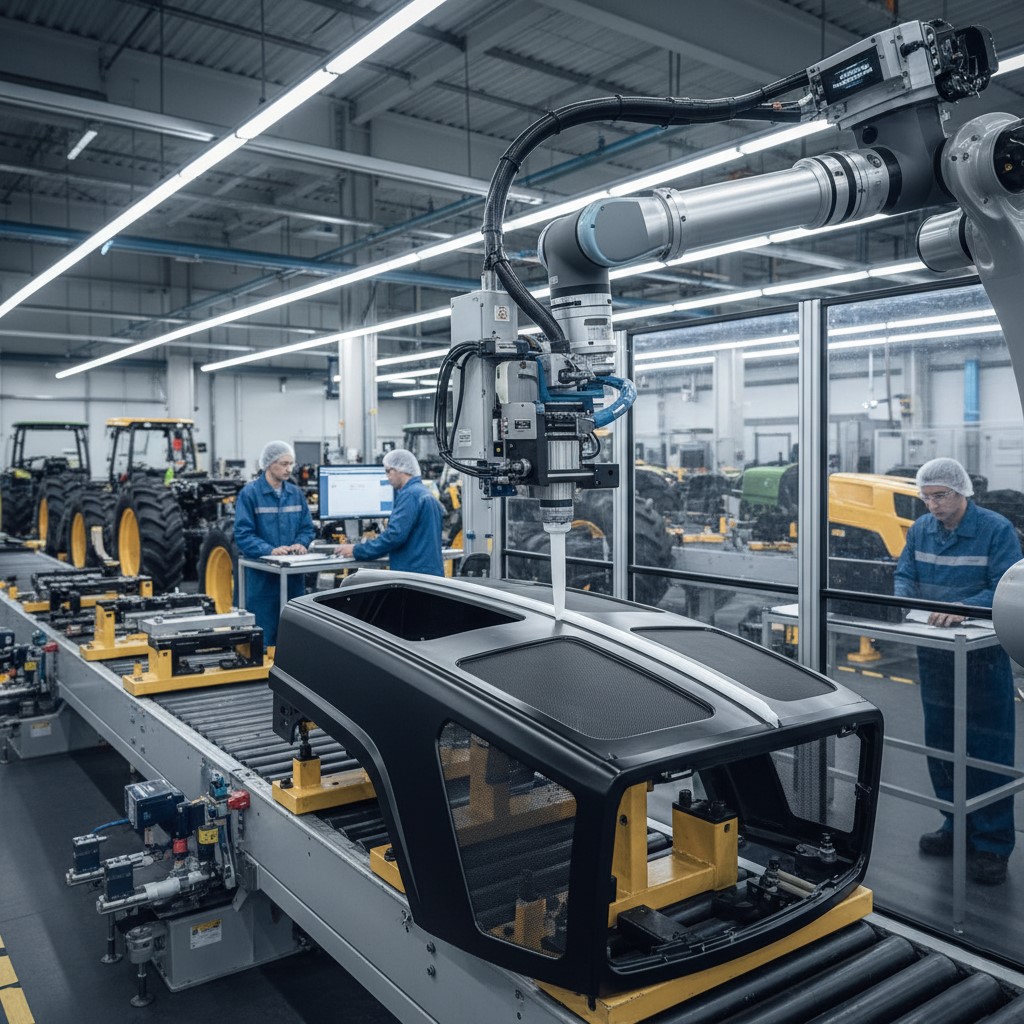
Agricultural machinery experiences high shock loads, vibration, dust, and demanding operating environments.
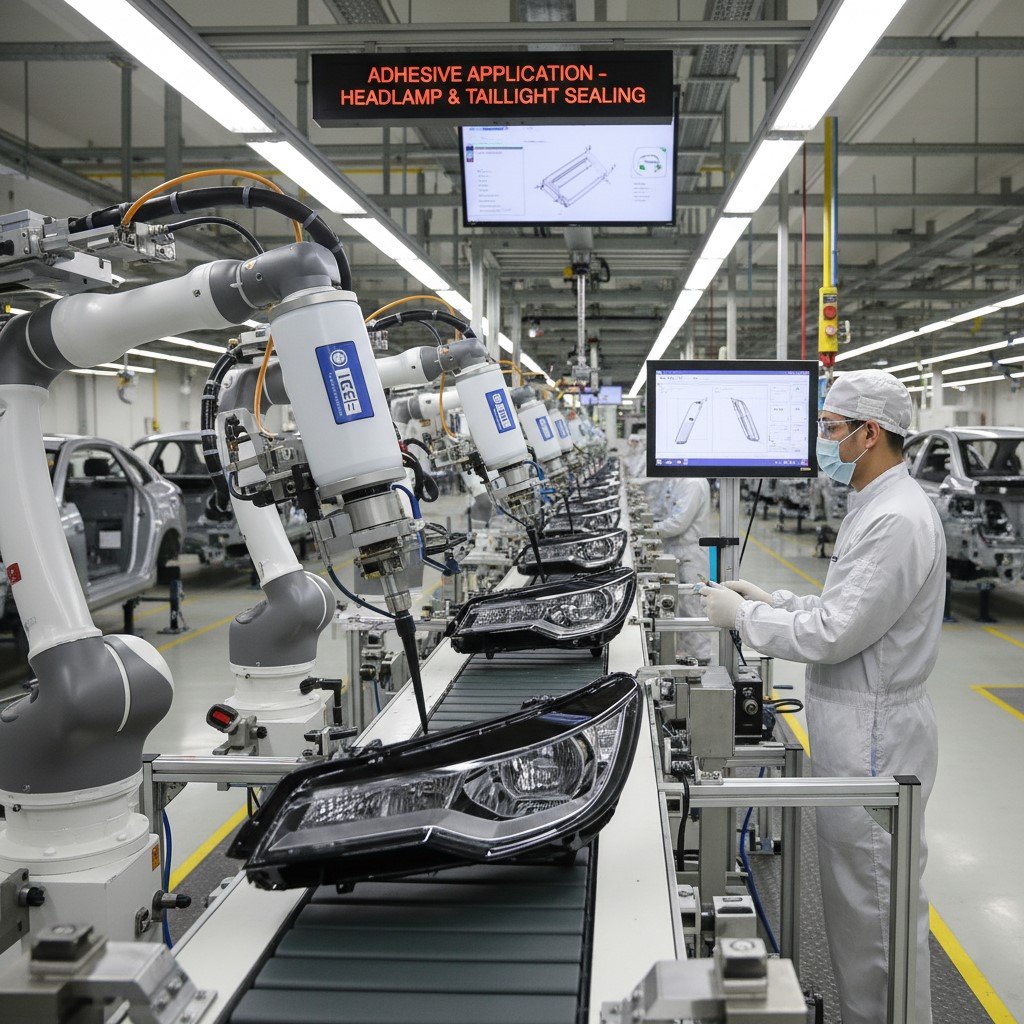

Retaining compounds are widely used throughout automotive manufacturing and maintenance operations.

Industrial lighting equipment and manufacturing systems utilize retaining compounds in rotating and mechanical assemblies.

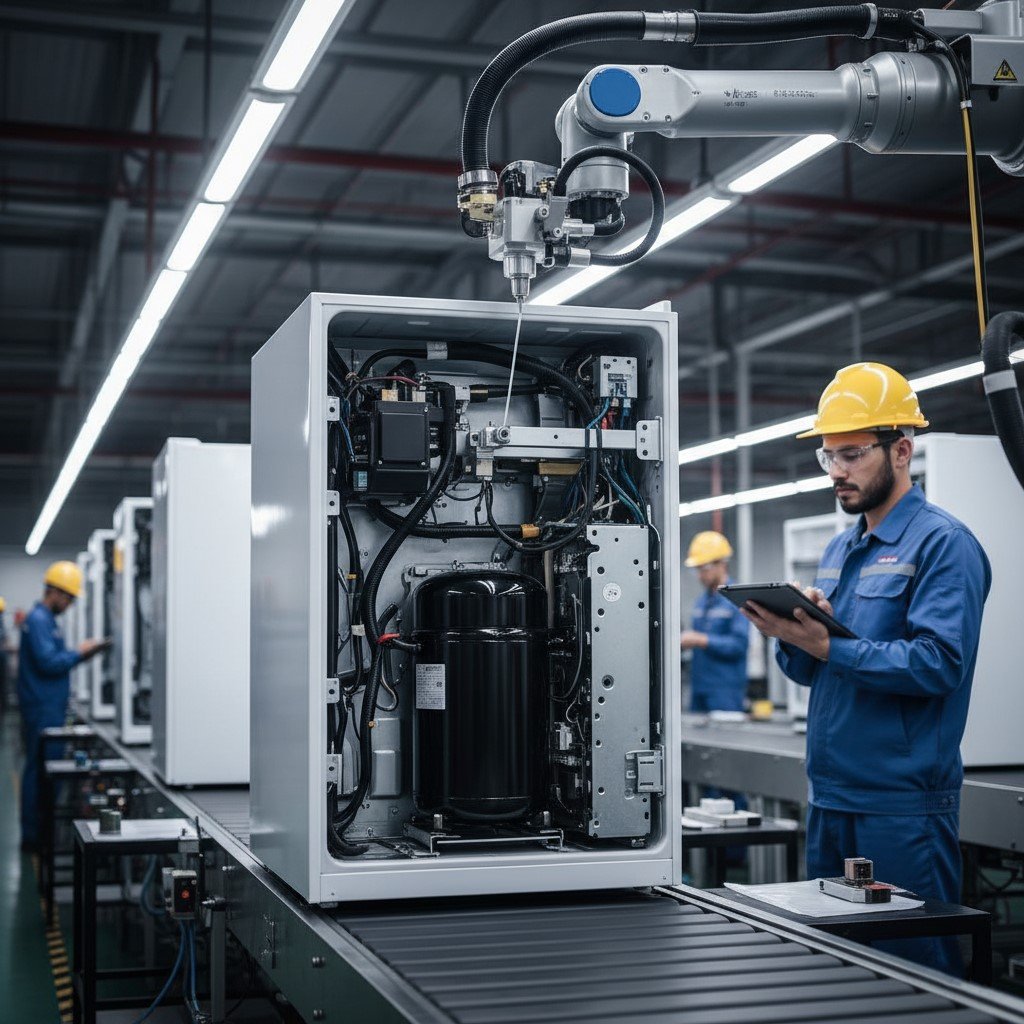
Retaining adhesives improve reliability and assembly performance in appliance manufacturing.

Key Features & Benefits

High Strength Retention

Creates strong bonds between cylindrical metal parts for improved assembly integrity.

Eliminates Fretting Corrosion

Prevents micro-movement between mating components that can lead to wear and corrosion.

Improved Load Distribution

Distributes stresses evenly across the assembly, reducing localized loading.

Increased Torque Transmission

Enhances the ability of cylindrical assemblies to withstand rotational forces.

Vibration Resistance

Maintains assembly integrity under vibration, shock, and dynamic operating conditions.

Reduced Maintenance Requirements

Improves equipment reliability and minimizes downtime caused by component movement.

Retaining Adhesive Solutions

Bearing Retaining Compound

Designed for securing bearings within housings and onto shafts.

Shaft Retaining Adhesive

Provides reliable retention for shafts, sleeves, and cylindrical assemblies.

High Strength Retaining Compound

Suitable for critical industrial applications requiring maximum holding power.

Gap Filling Retaining Adhesive

Designed for assemblies with larger tolerances and worn components.

Industrial Retaining Compound

Developed for demanding manufacturing and engineering environments.

Why Choose Fasto Retaining Adhesives?

Fasto provides industrial-grade retaining adhesive solutions trusted by manufacturers across Solar Energy, Industrial Machinery, Transportation, Agricultural Machinery, Automotive, LED Lighting, and Appliance industries.

Our retaining compounds are engineered to deliver:

FAQs

What is a Retaining Adhesive?

A retaining adhesive is an anaerobic bonding compound designed to secure cylindrical metal assemblies such as bearings, bushings, sleeves, gears, pulleys, and shafts. It fills microscopic gaps between mating parts and cures in the absence of air to create a strong, durable bond.

What are Retaining Adhesives Used for?

Retaining adhesives are used to secure cylindrical components in industrial assemblies, including:Bearings, Bushings, Sleeves, Shafts, Gears, Pulleys, Rotors, Couplings, etc,.They help improve load distribution, reduce movement, and increase assembly reliability.

How Does a Retaining Adhesive Work?

Retaining adhesives cure when confined between metal surfaces and deprived of oxygen. Once cured, they create a high-strength bond that prevents relative movement between cylindrical components and helps distribute stresses evenly across the assembly.

What is the Difference Between a Retaining Adhesive and a Thread Locker?

Retaining adhesives are designed for cylindrical assemblies such as shafts and bearings, while thread lockers are specifically formulated to secure threaded fasteners like bolts, nuts, and screws against loosening.

Can Retaining Adhesives Replace Press Fits and Mechanical Fastening Methods?

In many applications, retaining adhesives can enhance or replace traditional mechanical retention methods such as press fits, interference fits, keys, splines, and set screws. They improve load-bearing capacity while reducing wear and fretting.

What Materials Can Retaining Adhesives be used on?

Retaining adhesives are commonly used on:Steel, Stainless Steel, Cast Iron, Aluminum, Brass, Other Metallic Components.Material compatibility may vary depending on the adhesive grade and operating conditions.

Are Retaining Adhesives Suitable for Bearing Retention?

Yes. Retaining adhesives are widely used for securing bearings onto shafts and within housings, helping prevent movement, wear, and premature failure.

Can Retaining Adhesives Prevent Fretting Corrosion?

Yes. By eliminating microscopic movement between mating components, retaining adhesives help reduce fretting corrosion, wear, and surface damage in dynamic assemblies.

Are Retaining Adhesives Resistant to Vibration?

Yes. Retaining adhesives provide excellent resistance to vibration, shock loads, and dynamic operating conditions, making them ideal for industrial machinery and rotating equipment.

Can Retaining Adhesives Withstand High Loads?

Industrial retaining adhesives are designed to withstand significant radial and axial loads while maintaining secure retention of cylindrical components.

Are Retaining Adhesives Resistant to Oils and Chemicals?

Many retaining adhesives offer excellent resistance to:Lubricating oils, Hydraulic fluids, Coolants, Fuels, Industrial chemicals.Always verify compatibility for specific operating environments.

Can Retaining Adhesives Withstand High Temperatures?

Yes. Industrial-grade retaining compounds are formulated to perform across a wide temperature range, making them suitable for demanding manufacturing, automotive, and heavy engineering applications.

What Industries Use Retaining Adhesives?

Retaining adhesives are commonly used in:Automotive Manufacturing, Electric Motors, Pumps and Compressors, Gearboxes, Industrial Machinery, Power Generation, Heavy Engineering, Mining Equipment.

How long does Retaining Adhesive Take to Cure?

Cure times vary based on the product formulation, substrate material, temperature, and bond gap. Initial handling strength may be achieved within a few hours, while full cure is typically reached within 24 hours.

How do I Apply Retaining Adhesives?

For optimal performance:Clean all mating surfaces thoroughly. Apply the recommended amount of adhesive to the shaft, housing, or component. Assemble the parts immediately. Allow sufficient curing time before placing the assembly into service.Proper surface preparation helps maximize bond strength and durability.

What are the Benefits of Using Retaining Adhesives?

Key benefits include:High load-bearing capability, Improved assembly strength, Prevention of fretting corrosion, Enhanced vibration resistance, Uniform stress distribution, Reduced component wear, Increased equipment reliability, Extended service life.

Can Retaining Adhesives Fill Gaps between Components?

Yes. Retaining adhesives are designed to fill small gaps between cylindrical components, helping improve fit, load transfer, and overall assembly performance.

Can Retaining Adhesive-Bonded Assemblies be Disassembled?

Yes. Depending on the adhesive grade and assembly design, bonded components can often be removed using appropriate maintenance procedures, tools, or controlled heat.

How do I Choose The Right Retaining Adhesive?

The ideal retaining adhesive depends on:Component size, Required bond strength, Operating temperature, Gap size, Load requirements, Chemical exposure, Maintenance needs.Selecting the correct grade ensures long-term performance and reliability.

Does Fasto Adhesives offer Industrial Retaining Adhesives?

Yes. Fasto Adhesives offers high-performance retaining adhesives engineered for securing bearings, bushings, shafts, gears, and cylindrical assemblies across a wide range of industrial applications.
Scroll to Top