
Renewable Energy

Wind Turbine

Adhesives and sealants play a crucial role in wind turbine manufacturing and maintenance, especially for bonding and protecting components like blades and electrical parts. Epoxy and polyurethane-based adhesives are commonly used for structural bonding of turbine blades, while sealants provide weather resistance and protection for various parts.

Adhesives in Wind Turbine Manufacturing

Blade Bonding

Two-component epoxy and polyurethane adhesives are widely used to bond the various layers and components of wind turbine blades, including the spar cap, shear webs, leading edges, and trailing edges. These adhesives provide high strength, impact resistance, and weather resistance, all essential for the harsh conditions that wind turbines face.

Component Assembly

Adhesives are also used to attach smaller parts, such as cable clips and web locators, to the blades and other turbine components.

Repair and Finishing

Epoxy resins and fast-curing polyurethane fillers are used for in-factory structural and cosmetic finishing, as well as onsite repair of blade defects.

Sealants in Wind Turbine Applications

Weatherproofing

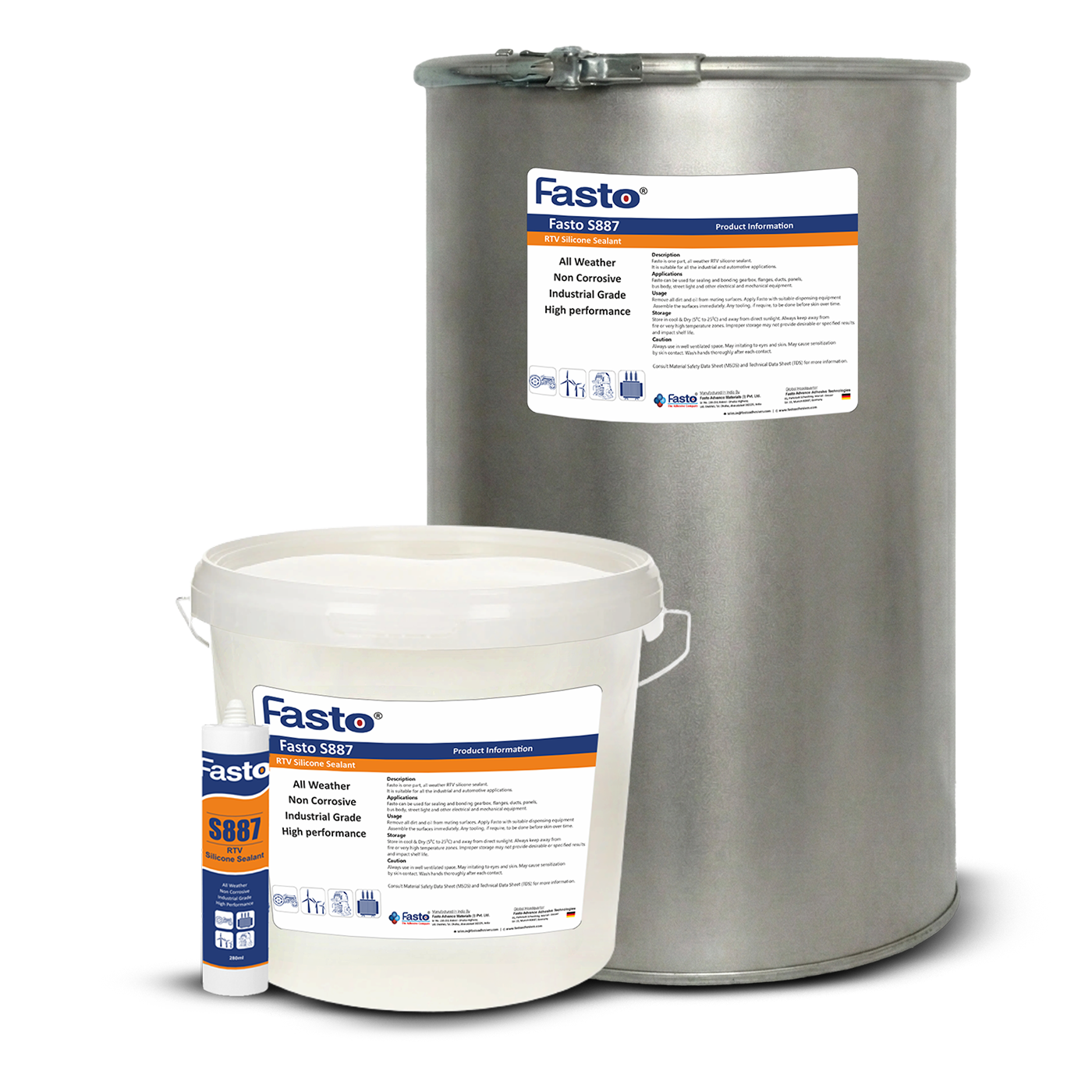
Sealants, such as silicone-based and MS polymer sealants, are used to protect turbine components from the elements, including rain, wind, snow, and salt spray.

Electrical Component Protection

Sealants are used to seal and protect electrical components in the nacelle and other parts of the turbine from moisture and other environmental factors.

Structural Sealing

Sealants can also be used to create watertight seals between different components of the turbine, ensuring structural integrity.

Key Applications and Functions

Structural Bonding

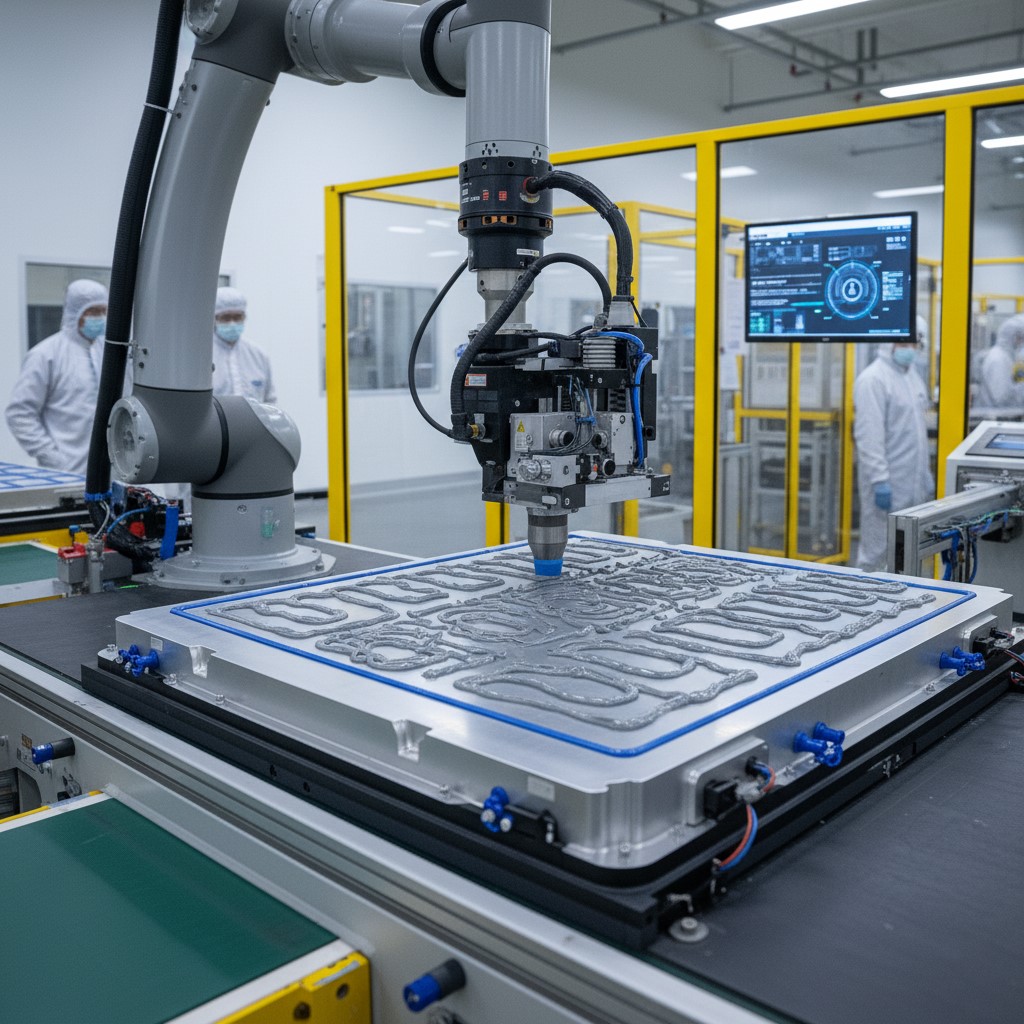
Adhesives create strong, durable bonds between battery cells, modules, and cooling plates, ensuring the structural integrity of the battery pack.

Thermal Management

Thermally conductive adhesives facilitate heat transfer from the cells to cooling plates, preventing overheating and extending battery life.

Electrical Insulation

Certain adhesives offer electrical insulation, protecting against short circuits and ensuring safe operation.

Sealing and Gasketing

Sealants, like silicones, create airtight seals between battery components and the frame, protecting against moisture, dust, and other contaminants.

Vibration Damping

Adhesives reduce the effects of vibrations and shocks, which can lead to damage or premature wear.

Encapsulation/Potting

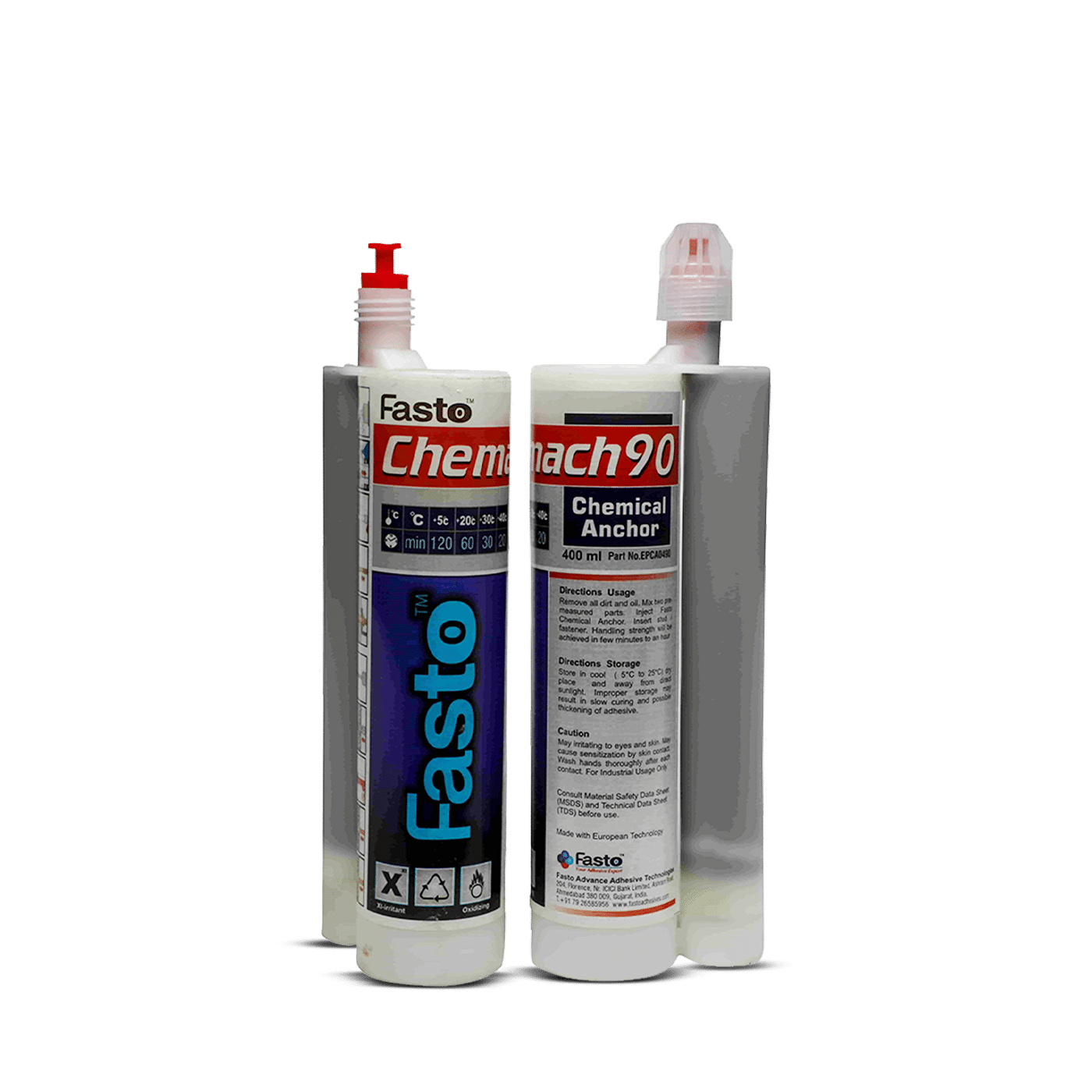
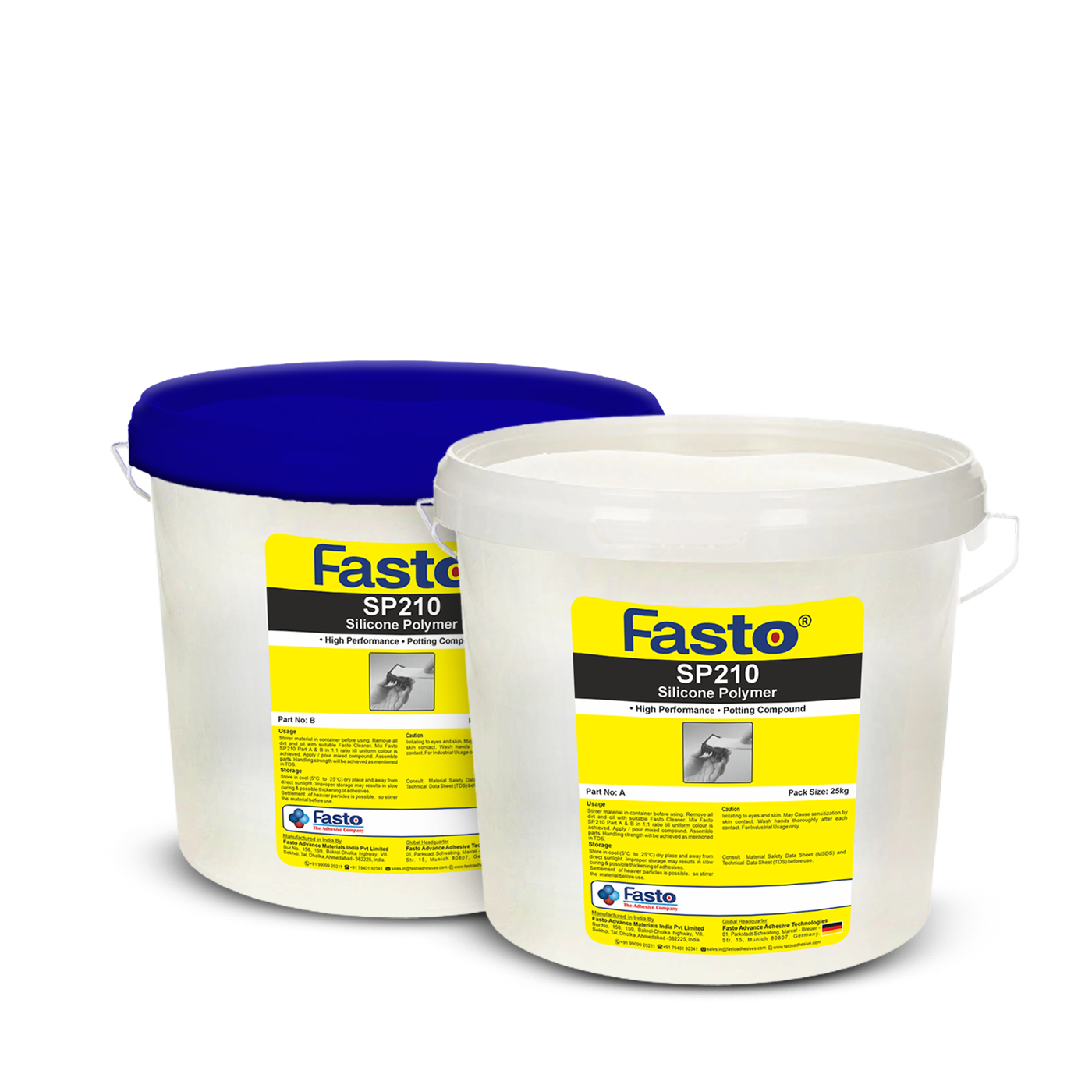
Adhesives are used to encapsulate or pot battery cells and other sensitive electronic components, providing an additional layer of protection.

Module Assembly

Adhesives help bond cells into modules and modules to cooling plates, ensuring proper thermal contact and structural support.

Battery

Adhesives and sealants play a vital role in battery applications, primarily for bonding and sealing components, as well as protecting against environmental damage and ensuring thermal management. They are crucial for the durability, performance, and safety of battery packs, especially in electric vehicles (EVs).

Solar Panel

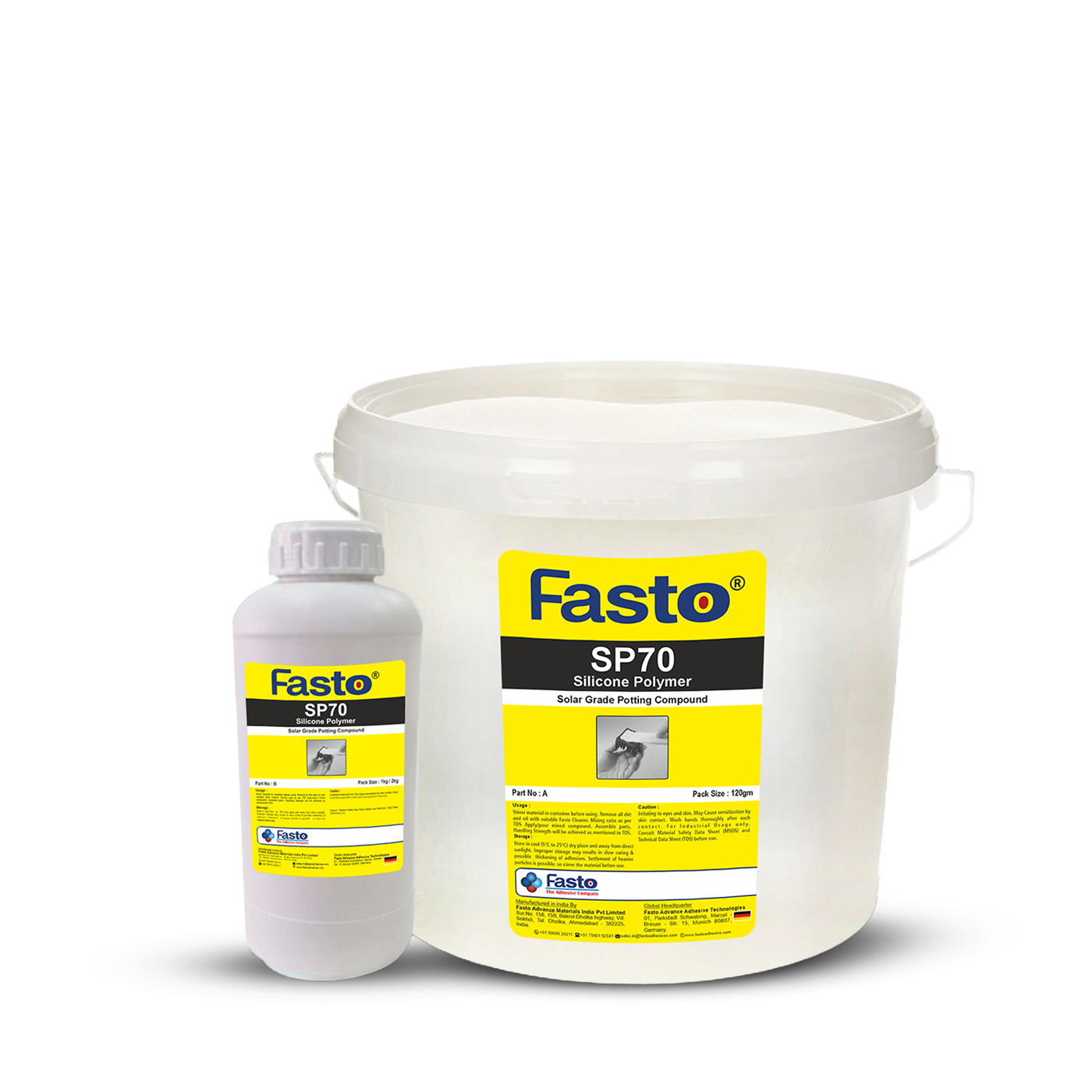
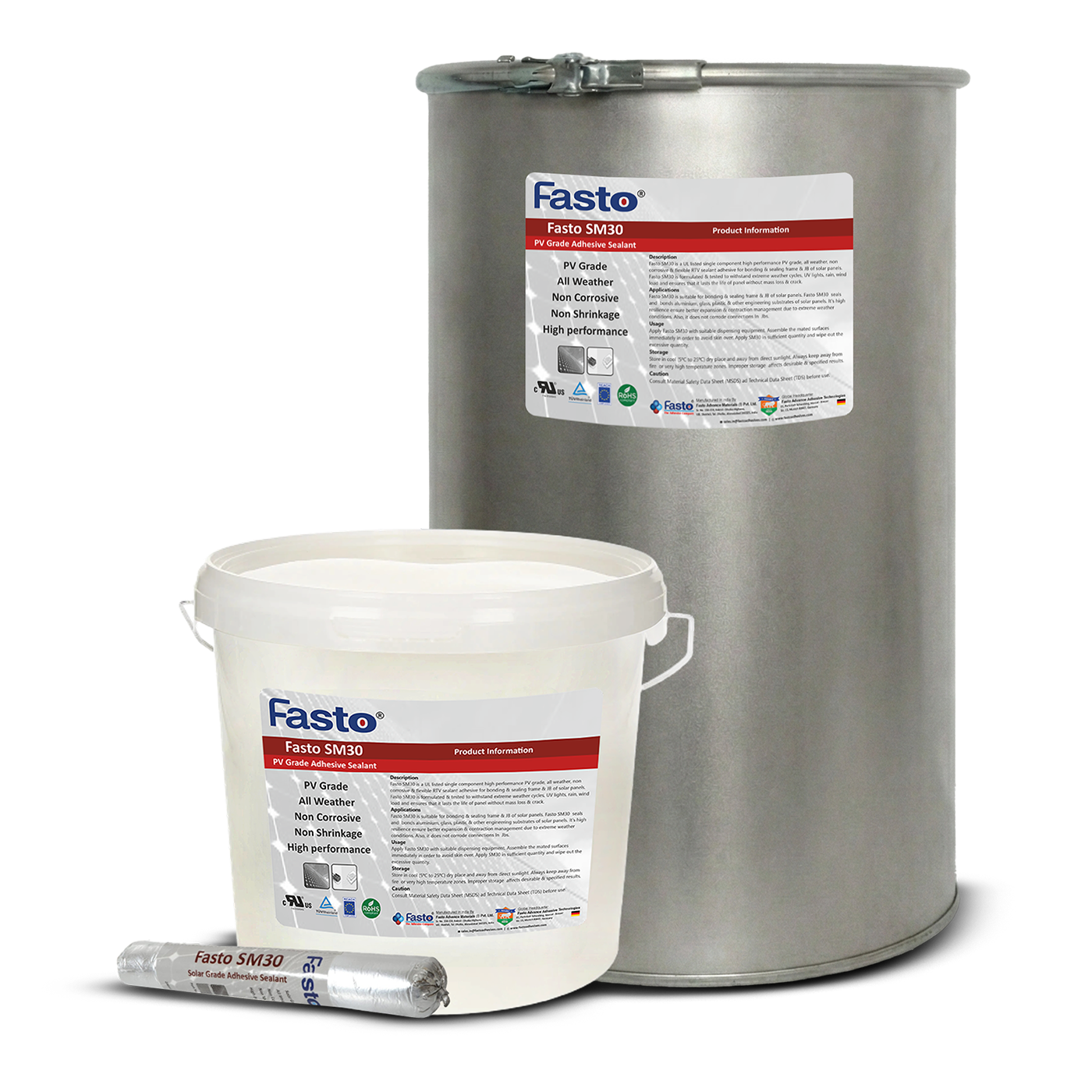
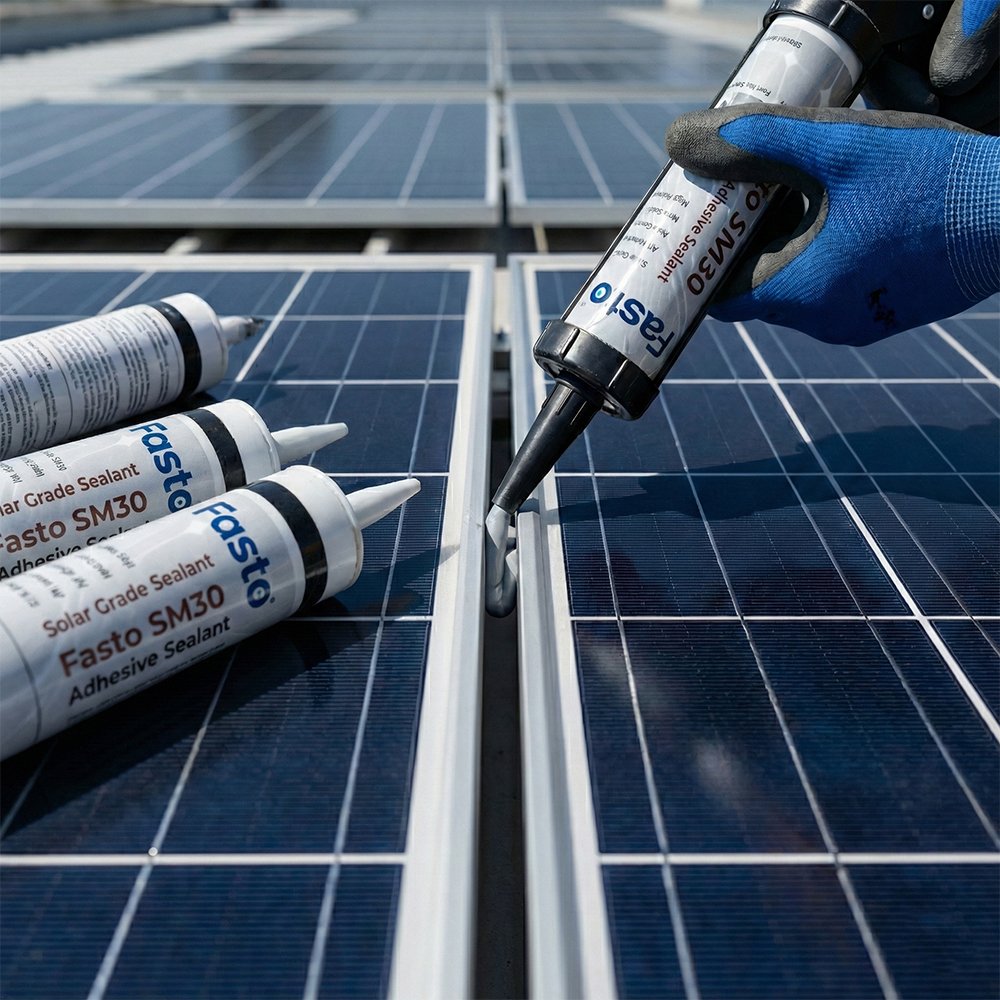
Adhesives and sealants are crucial for solar panel manufacturing, playing a vital role in securing components, protecting against environmental factors, and ensuring long-term durability. Silicones are frequently used as sealants due to their strong adhesion, impact resistance, and superior mechanical properties. They are employed for tasks like securing frames, joining junction boxes, and sealing ribbons, all contributing to the overall reliability and efficiency of solar panels.

Adhesive and sealant application in Solar Panel

Bonding and Securing Components

  • Adhesives are used to bond solar cells to the backsheet, forming a protective layer.
  • They secure frames, junction boxes, and other components, ensuring a robust structure.
  • Adhesives also help fix the junction box to the panel, providing a reliable electrical connection.
  • Sealing and Waterproofing

  • Sealants, particularly silicone sealants, are applied to the edges of solar panels to prevent moisture ingress.
  • This protection safeguards the solar cells and other electrical components from corrosion and degradation.
  • Sealants also improve the electrical isolation of the panel, enhancing its overall performance.
  • Enhancing Mechanical Strength

  • Adhesives and sealants contribute to the mechanical strength of the solar panel, making it more resistant to shock and vibration.
  • This is particularly important for panels installed in areas prone to harsh weather conditions.
  • Improving Efficiency and Production

  • The use of adhesives and sealants can streamline the manufacturing process, improving efficiency.
  • They can also help reduce production costs by minimizing material waste and labor.
  • Scroll to Top